
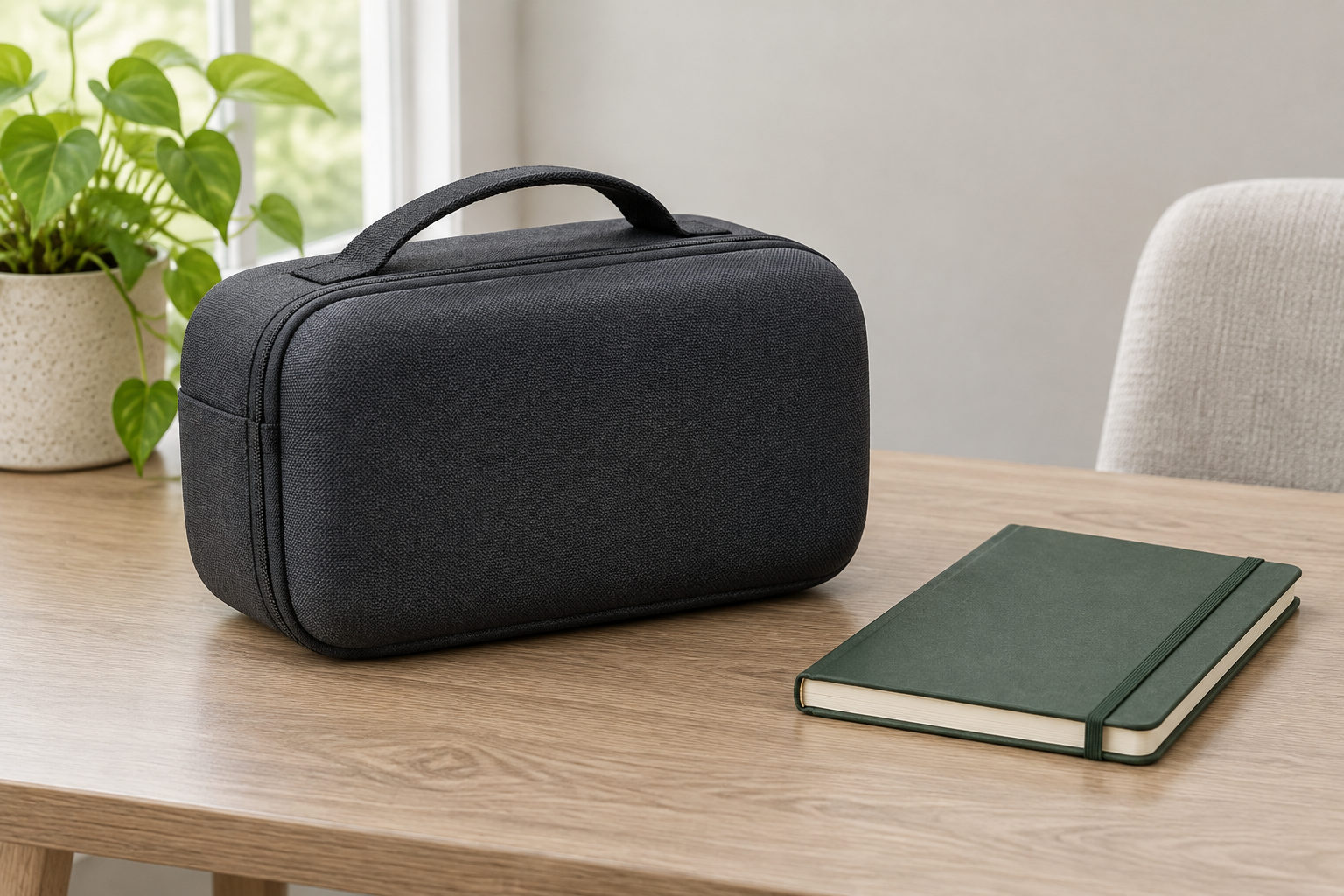
If you are an adult who already uses prescribed CPAP, mention it when you first discuss detox admission. The device belongs in your health history, alongside the condition it treats and the healthcare professional who prescribed it. Raising the subject early gives you a chance to ask who should review the information and what needs confirmation before arrival.
CPAP detox intake planning involves two connected conversations: your existing breathing treatment and the proposed admission. Your prescribing healthcare provider can answer clinical questions about your prescription. The admissions team can explain how to raise your needs during assessment and whom to contact about arrival arrangements. Neither conversation should be mistaken for an automatic decision about placement or equipment arrangements.
You do not need every document in front of you to begin asking questions. Start with what you know, identify what remains uncertain, and request a clear next step for each unresolved issue.
Tell admissions about the CPAP you already use
Tell the admissions team that you have an existing CPAP prescription and explain who manages that care. Use the Florida Helps contact page to request a conversation, and review the detox assessment overview to understand why your overall health belongs in admission planning.
The National Heart, Lung, and Blood Institute explains that CPAP uses mild air pressure to keep breathing airways open during sleep. Healthcare providers may prescribe it for sleep-related breathing disorders, including sleep apnea. An existing prescription is therefore relevant health information, not simply a question about an item in your luggage.
NHLBI also emphasizes CPAP use during sleep at home, while traveling, and during naps. That guidance makes continuity a useful subject to raise before a change in setting. It does not establish what arrangements a particular treatment location can make. Ask the assessing team how your existing treatment needs will be considered rather than assuming that an overnight admission settles the question.
According to NHLBI's guidance on living with sleep apnea, ongoing checkups help determine whether treatment is working. The same guidance explains that untreated sleep apnea can affect rest, concentration, memory, and decision-making. These are reasons to include the condition in your health history, not reasons to predict how detox will go for you.
If you are uncertain about the diagnosis or the exact device name, say so. Describe it as a prescribed breathing device and identify the provider who can clarify. Giving an honest partial history is more useful than guessing or leaving the subject out because you cannot remember a technical term.
Have prescription and equipment details ready
Have enough information available to identify your existing treatment and the professional responsible for it. The drug detox assessment and admission guide explains the broader health review, while the contact page provides a way to ask how relevant information should reach the appropriate team.
A short personal note can help you keep the conversation organized. It does not need to reproduce a medical record or include technical details you do not understand. Focus on facts that help someone identify the prescription and route questions correctly.
- Device identity: Note whether your prescription identifies the device as CPAP or uses another name. Include the manufacturer or model if you already know it.
- Prescribing provider: Have the clinician's or practice's name and a contact method available, if possible.
- Prescription information: Know where an existing prescription or related record can be requested. Ask what documentation is needed before arranging a transfer.
- Equipment contact: Note the medical device company you already use, if applicable, so supply questions can be directed appropriately.
- Current concerns: Mention any difficulty you have already noticed, such as an uncomfortable mask or trouble tolerating treatment, without trying to diagnose the cause.
- Unresolved details: Write down anything you cannot confirm, including missing records or uncertainty about whom to contact.
NHLBI describes a CPAP system as including a mask or similar interface, straps, tubing, and a motor. Those terms can help you describe what you have when someone asks. They are not a packing list or instructions for using, setting up, or changing equipment.
Keep private records out of a general callback request. Florida Helps' contact page specifically asks visitors not to include health or insurance details in its form. Request a conversation first, then ask the receiving team which communication method to use for any records it requests. A model name or prescription document should only be shared through the process the appropriate team identifies.
Match each question to the right team
Separate clinical prescription questions from admission logistics so each reaches someone who can answer it. The Florida Helps detox page describes assessment based on individual needs, and the admissions contact page offers a starting point for asking who should address your equipment-related planning questions.
Your prescribing healthcare provider is the starting point for questions about the existing prescription or difficulties with treatment. NHLBI advises people with problems such as mask discomfort, leaks, or difficulty sleeping with PAP treatment to speak with their healthcare provider. An admissions conversation should not substitute for that clinical discussion.
| Planning question | Starting contact | Confirmation to request |
|---|---|---|
| I have a question about my existing prescription. | Prescribing healthcare provider | Who can review the prescription and address your clinical concern? |
| Should I bring my prescribed device to the proposed admission? | Admissions team, with clinical review as needed | Who can confirm the arrival plan after your needs are reviewed? |
| I have an unresolved supply or equipment issue. | Prescribing provider or your existing medical device company | Which contact should address the specific issue before travel? |
| Does the proposed care setting fit my combined health needs? | Clinician responsible for assessment | How do the assessment findings affect the recommended starting setting? |
NHLBI describes healthcare providers and medical device companies as having roles in prescribed CPAP care. That does not mean every question belongs with both. State whether you need a prescription reviewed, an existing equipment concern addressed, or an arrival arrangement clarified. If the first person cannot answer, ask which person or team should receive the question.
Keep the answers separate in your notes. A prescriber's explanation of your treatment does not confirm admission logistics, and a discussion of arrival logistics does not answer a clinical question about the prescription.
Confirm the handoff before arrival
Before making an arrival plan, connect your CPAP questions with the broader drug detox assessment and admission process, then use the Florida Helps contact options to ask which details still require review. The assigned care setting should reflect the combined health needs identified during assessment, not just a preferred arrival date.
A useful handoff identifies what information is needed, who will receive it, and which questions remain open. It is more specific than noting that someone mentioned CPAP during a call. You can ask for these points in plain language without knowing clinical terminology or deciding the appropriate care setting yourself.
- Introduce the existing prescription. Explain that you are planning an adult detox assessment and already have a prescribed breathing device.
- Identify the responsible contacts. Ask who handles the clinical review and who can answer practical questions about arrival and belongings.
- Clarify any record request. Find out what information is needed and how the appropriate provider should send it. Do not assume a general website form is the correct destination.
- Ask about the proposed device plan. Request a clear answer about whether you should bring your device and what must be confirmed before you travel.
- Record unresolved questions. Note who will address each issue and how you should follow up if an answer is still pending.
For example, you might know the prescriber's name but not have a copy of the prescription. Tell admissions exactly that and ask what the next step should be. Avoid filling the gap with a remembered technical detail or assuming that a missing document has already been requested.
If a loved one is helping, they can assist with notes or join a conversation when appropriate. The adult seeking care should remain involved whenever possible. Ask the relevant team how permission and confidentiality will be handled before another person shares records or receives personal information.
For a medical emergency or immediate danger, call 911 rather than waiting for a callback. The Florida Helps contact form is for requesting a conversation, not emergency help.
Keep the plan connected when circumstances change
If your arrival date, health information, or proposed setting changes, ask which parts of the handoff need another review. Your needs help guide drug and alcohol detox planning. Ask whether the recommendations from your assessment and admission still fit the new situation.
A previous conversation may leave questions open if a different setting is now being considered. Ask whether the person responsible for the updated plan has the relevant CPAP information. This is a coordination question, not a reason to make your own judgment about which setting has the necessary capabilities.
Keep follow-up with your prescribing healthcare provider in view as well. NHLBI recommends regular checkups for people diagnosed with sleep apnea to assess whether treatment is working. An addiction treatment admission does not, by itself, answer those ongoing sleep-care questions. Ask your provider how to handle any already scheduled follow-up if the admission timing affects it.
If you notice a treatment difficulty before admission, direct that concern to your healthcare provider rather than waiting for an admissions conversation to resolve it. You can separately tell the assessing team that a clinical question is pending. This helps distinguish a known concern from an issue that has already been reviewed.
The goal is a clear, individualized next step: your existing prescription is identified, the appropriate people know what needs review, and you understand what remains unconfirmed before arrival.
Call 8669319677 to request information.
Frequently asked questions
Should I tell admissions I use a CPAP machine?
Yes. Tell admissions that you already have a prescribed CPAP device and identify the healthcare provider who manages that treatment, if you know. Your health history belongs in the assessment. Mentioning CPAP starts a planning conversation; it does not automatically confirm a particular placement or establish what equipment arrangements will be made.
Which equipment details should I have ready?
Have the device name, prescribing provider's contact information, and your existing medical device company's details available if possible. Know where prescription records can be requested. You do not need to guess technical information. Ask the receiving team what documentation it needs and which communication method to use before sharing private records.
Who can tell me whether I should bring my device?
Ask the admissions team who can confirm the device plan for the proposed setting after your needs are reviewed. Your prescribing healthcare provider can address clinical questions about the existing treatment. Do not assume that a general admissions conversation confirms equipment arrangements, and seek a specific answer before making your arrival plan.
Who should I call if I have a question about my prescription?
Contact the healthcare provider who prescribed or currently manages your CPAP treatment. NHLBI directs people with treatment difficulties to their healthcare provider. Admissions can help identify where information belongs in the assessment process, but a conversation about arrival or belongings is not a substitute for clinical review of your existing prescription.
Can a family member help with CPAP intake planning?
A family member or another trusted person can help organize questions, find contact information, or participate in a conversation when appropriate. Keep the adult seeking care involved whenever possible. Before sharing records or requesting personal information, ask the relevant team how permission and confidentiality will be handled for that person's involvement.