
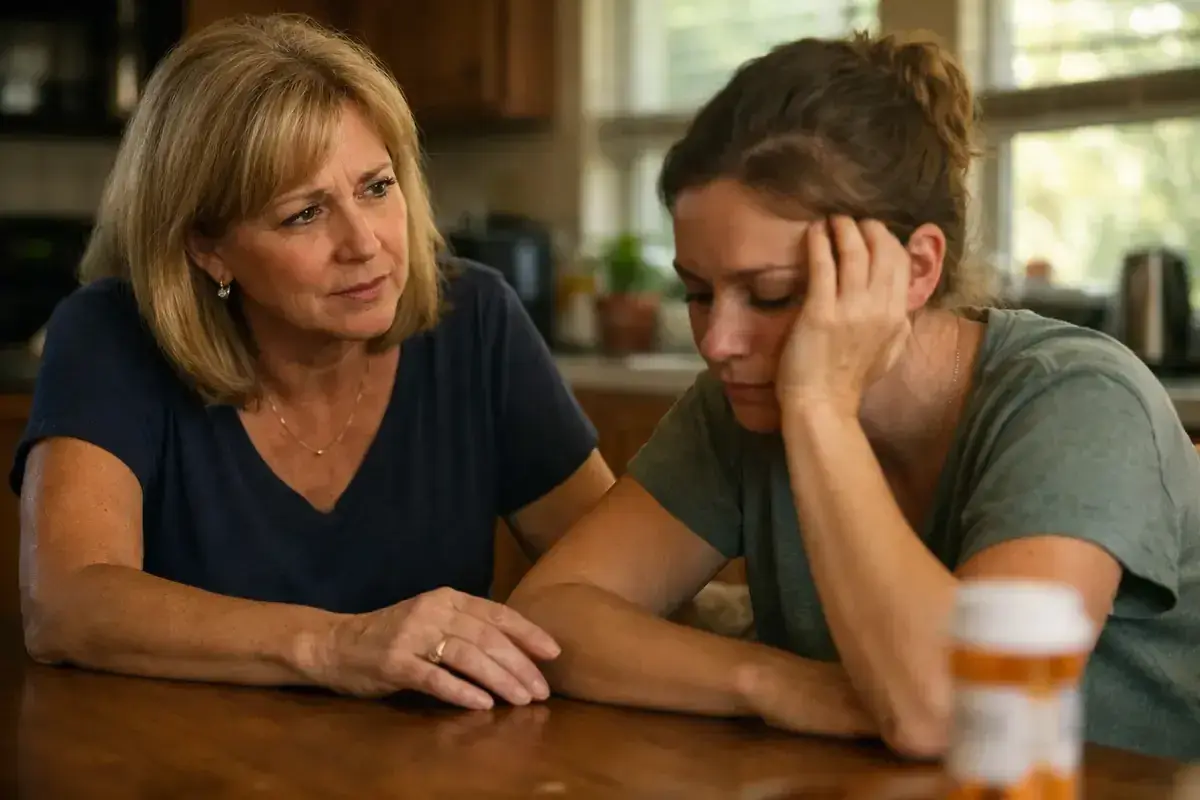
When oxycodone misuse turns into a crisis, families in Florida often feel stuck between fear, urgency, and uncertainty about what to do next. If a loved one is refusing help, talking about the Florida Marchman Act for oxycodone can become part of the conversation. This Florida law may allow a court to order an assessment and, in some cases, stabilization and treatment when substance use has impaired a person’s judgment and safety.
Florida Helps offers medically supervised detox in Florida. If withdrawal is starting or you are afraid to stop on your own, call 866-931-9677 today.
Even when legal action is being considered, treatment planning still needs a clinical foundation. Oxycodone withdrawal can be deeply uncomfortable, and opioid use disorder may involve overdose risk, relapse risk, and co-occurring mental health concerns. A safer first step is often medically supervised detox, where symptoms and next-step recommendations can be evaluated after an assessment. Families can learn more about detox at https://floridahelps.com/programs/detox/ or call Florida Helps at 866-931-9677.
What the Florida Marchman Act means in oxycodone cases
The Marchman Act is a Florida law that creates a civil process for people whose substance use has led to impairment and refusal of voluntary care. In oxycodone situations, families may look at this option when repeated attempts to encourage treatment have failed and the person’s ability to make sound decisions appears seriously affected. The goal is not punishment. The purpose is to create a path toward assessment, stabilization, and treatment when a person may not recognize the need for help.
In practice, the Marchman Act does not automatically mean long-term rehab is ordered the moment a petition is filed. A court process is involved, and treatment decisions still depend on an assessment of medical, psychiatric, and substance use needs. Because oxycodone dependence can involve withdrawal, relapse, and possible fentanyl exposure in illicit pills, timely medical evaluation matters. For many families, that means focusing first on a medically supervised detox setting that can assess immediate needs safely.
When families in Florida usually start asking about the Marchman Act
Families often begin researching the Florida Marchman Act for oxycodone after patterns become hard to ignore. A person may be taking more than prescribed, seeking pills from multiple sources, isolating, nodding off, or becoming defensive when anyone raises concerns. Others may stop abruptly and develop withdrawal symptoms such as nausea, sweating, anxiety, body aches, insomnia, or agitation. Those symptoms do not prove a legal standard, but they do signal the need for prompt professional evaluation.
Florida families also ask about the law after frightening events such as an overdose scare, driving while impaired, mixing oxycodone with alcohol or benzodiazepines, or repeated refusal of care despite obvious decline. If there is an immediate emergency or overdose risk, call 911 right away. For non-emergency guidance on next treatment steps, Florida Helps can discuss medically supervised detox and what level of care may fit after assessment.
- Refusing help while showing clear impairment from oxycodone use
- Repeated withdrawal episodes after trying to stop on their own
- Risky mixing of oxycodone with other substances
- Rapid decline in work, family, or daily functioning
- Recent overdose, near-overdose, or strong concern about safety
Florida options to consider when oxycodone use becomes urgent
| Option | Main purpose | Best used when | Key note |
|---|---|---|---|
| Voluntary detox | Stabilize withdrawal | Person agrees to help | Fast clinical starting point |
| Marchman Act petition | Court-ordered assessment pathway | Person refuses help and safety is worsening | Civil legal process in Florida |
| Residential treatment | 24/7 structured care | High relapse risk or unstable setting | Follows assessment after detox |
| Outpatient treatment | Ongoing therapy while living at home | Stable symptoms and strong support | Needs reliable follow-through |
| Emergency services | Immediate lifesaving response | Overdose or acute danger | Call 911 right away |
Why medically supervised detox matters before the next level of care
Oxycodone withdrawal is often described as flu-like, but that can minimize how intense it feels. People may experience cravings, stomach distress, sweating, chills, muscle pain, restlessness, insomnia, and severe anxiety. According to NIDA and SAMHSA, opioid withdrawal is usually not the same as alcohol or benzodiazepine withdrawal in terms of direct medical danger, but it can still lead to dehydration, distress, relapse, and overdose risk if a person returns to prior doses after losing tolerance.
That is why a strong treatment approach starts with medically supervised detox rather than relying on willpower at home. A detox team can monitor symptoms, support comfort and safety, and evaluate what should come next based on an assessment. Some people may need residential treatment after detox, while others may be appropriate for outpatient care if clinically indicated. To start with a detox-focused conversation, visit https://floridahelps.com/programs/detox/ or call 866-931-9677.
- Monitoring for withdrawal symptoms and complications
- Assessment of substance use history and co-occurring mental health concerns
- Planning for residential or outpatient treatment after stabilization
- Support for relapse prevention and safer transition to ongoing care
How the Marchman Act and treatment work together in Florida
Families sometimes think they must choose between filing a Marchman Act case and arranging treatment. In reality, these paths often overlap. The legal process may help bring someone into evaluation when they refuse care, but the medical and clinical process determines what services are appropriate. That may include detox, residential care, or outpatient treatment depending on the person’s condition, history, support system, and co-occurring needs. Good planning begins with immediate safety and a structured assessment.
If your family is considering the Florida Marchman Act for oxycodone, it can still help to contact a treatment provider early. Knowing where medically supervised detox is available may reduce delays if the person becomes willing to enter care voluntarily or if an ordered evaluation points toward treatment. Florida-specific timing, court procedures, and county practices can vary, so legal questions should be directed to an attorney or the local clerk of court, while treatment questions should go to a qualified clinical provider.
Withdrawal can be dangerous to manage alone. Our Florida detox program provides 24/7 medical monitoring and a plan for what comes next. Call 866-931-9677.
What to expect after detox: residential or outpatient care
Detox is the beginning, not the whole plan. After stabilization, the next level of care should match the person’s risks and strengths. Someone with heavy oxycodone use, repeated relapses, an unstable home environment, or co-occurring mental health symptoms may benefit from residential treatment for more structure and daily support. Another person may transition to outpatient care if symptoms are stable, risks are lower, and home support is strong. These are clinical decisions that should follow an assessment.
Families can play an important role after detox by supporting attendance, reducing triggers, and participating in healthy boundaries. Recovery planning may include therapy, relapse-prevention work, mental health treatment, and education on overdose prevention. What matters most is not picking a level of care based on convenience alone, but choosing the setting that fits the person’s current needs in Florida. Starting at the detox stage often makes that next decision clearer and safer.
- Residential care offers more structure when risks are high
- Outpatient care may fit when symptoms are stable and support is reliable
- Co-occurring mental health concerns should be assessed early
- Treatment plans should be updated as the person’s condition changes
How to talk to a loved one today and when to call for help
A calm, direct conversation is often more effective than arguing, blaming, or trying to catch someone in contradictions. Choose a time when the person is as sober and medically stable as possible. Focus on what you have observed: missed responsibilities, withdrawal symptoms, oversedation, risky behavior, or fear about overdose. Keep the message simple: help is available, and the safest first step may be a medically supervised detox that can evaluate what comes next.
If your loved one says no, that does not mean you should stop preparing. Save key information such as substance history, medications, prior treatment, mental health concerns, and any recent crises. If safety worsens, emergency services may be necessary. If your goal is to move quickly toward treatment, contact Florida Helps to discuss detox options and next steps after assessment. Families can start the conversation now at https://floridahelps.com/programs/detox/ or by calling 866-931-9677.
- Use specific observations instead of labels or accusations
- Avoid debating whether they are “really addicted”
- Have a treatment contact ready before the conversation
- Call 911 during overdose or immediate medical emergency
- Consider legal guidance for Marchman Act procedure questions in Florida
Related reading
- Oxycodone Withdrawal
- Miami Oxycodone Withdrawal Detox Guide
- South Florida Oxycodone Detox Options
- Jacksonville Oxycodone Withdrawal Symptoms
- Florida 988 for Oxycodone Withdrawal Support
If your family is searching for answers about the Florida Marchman Act for oxycodone, do not wait for the situation to get worse before seeking treatment guidance. A medically supervised detox can provide a safer place to begin, with recommendations based on a full assessment and a plan for residential or outpatient care if needed. To talk through next steps in Florida, call Florida Helps at 866-931-9677 or visit https://floridahelps.com/programs/detox/.
Start medically supervised detox in Florida
Do not wait for withdrawal to get worse. Our admissions team can talk through detox at Florida Helps and the next level of care. Call 866-931-9677.
Frequently asked questions
Can the Marchman Act force someone into long-term rehab for oxycodone addiction?
Not automatically. The Florida Marchman Act is a civil legal process that may lead to court-ordered assessment and, in some cases, treatment. What care is appropriate still depends on a clinical evaluation. Detox, residential care, or outpatient services should be recommended based on the person’s symptoms, safety risks, substance use history, and co-occurring mental health needs.
Is oxycodone withdrawal dangerous enough to need medical detox?
Opioid withdrawal is often not managed the same way as alcohol or benzodiazepine withdrawal, but that does not mean it is safe to handle alone. Oxycodone withdrawal can cause severe distress, dehydration, relapse, and overdose risk if a person returns to prior doses after losing tolerance. A medically supervised detox can evaluate and support safety.
Should families wait for a court process before calling a treatment provider?
Usually, no. Even if your family is considering a Marchman Act petition in Florida, it is wise to contact a treatment provider early. That can help you understand detox options, likely next levels of care, and what information to gather. Early planning may reduce delays if your loved one agrees to help or needs prompt evaluation.
What level of care comes after detox for oxycodone addiction?
That depends on the assessment. Some people need residential treatment because of relapse history, heavy opioid use, mental health symptoms, or an unsafe home environment. Others may step into outpatient care if they are medically stable and have strong support. The safest approach is to let clinical findings guide the recommendation rather than guessing in advance.
What should I do if I think my loved one is overdosing on oxycodone?
Call 911 immediately. If naloxone is available, use it as directed while waiting for emergency responders. Signs may include slowed or stopped breathing, blue lips, pinpoint pupils, or inability to wake the person. After the emergency, follow up quickly with a treatment provider about medically supervised detox and ongoing addiction care.
Further treatment information
These public health resources offer background for comparing options and preparing questions for a care team. They do not confirm local appointment availability.