
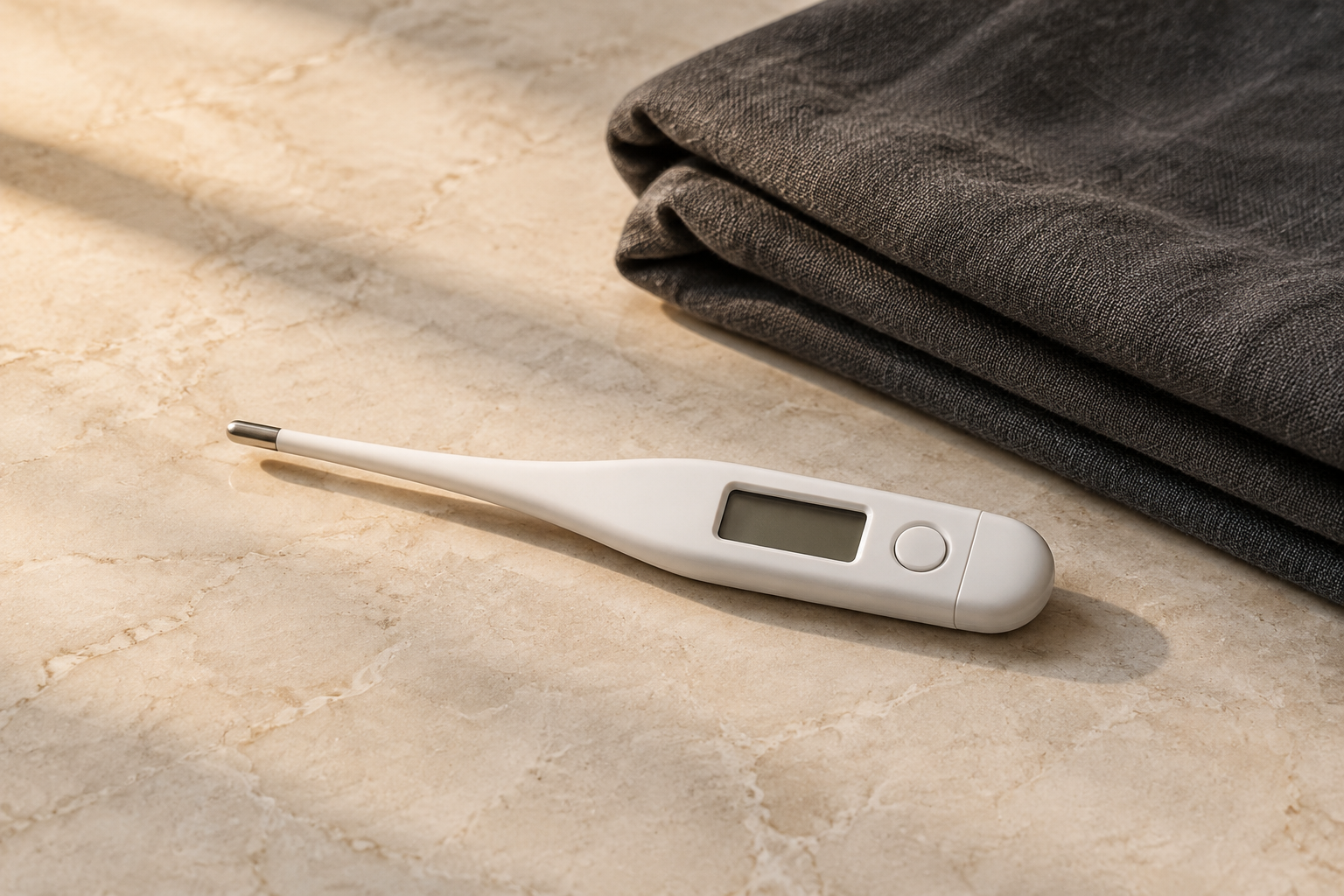
Dangerous overheating after stimulant use needs immediate medical evaluation, not a routine detox appointment. For a medical emergency, call 911. Do not wait for an admissions call or a planned treatment visit. High fever, a seizure, chest pain, or severe changes in thinking can signal a need for emergency care before ongoing addiction treatment begins.
Hyperthermia means an abnormally high body temperature. During acute stimulant intoxication, it can occur with other serious problems. The priority is medical stabilization: treating urgent complications and making sure the care setting can safely meet the person's changing needs.
When does overheating during stimulant detox need emergency care?
High fever after stimulant use needs emergency medical care, not a wait for routine detox assessment and admission. Call 911 for a medical emergency. Medical detox assessment and monitoring cannot replace the acute care needed for severe intoxication or its complications.
The ASAM/AAAP Clinical Practice Guideline on Stimulant Use Disorder identifies high fever, seizures, chest pain, psychosis, and suicidality as clinical features that typically indicate a need for emergency medical treatment. These concerns are not reasons to wait for a routine appointment, even when someone already plans to enter treatment.
- High fever: Dangerous temperature elevation can be an acute complication of stimulant intoxication.
- A seizure: Seizures require medical assessment and treatment, including evaluation of possible causes.
- Chest pain: Clinicians must consider serious heart problems as well as the underlying intoxication.
- Psychosis or immediate self-harm risk: Severe mental health symptoms also affect the need for emergency care.
The guideline discusses severe hyperthermia as generally above 105°F, or 40.5°C. That figure is a clinical severity marker, not a temperature someone must reach before seeking help. High fever is itself an emergency warning sign. Other serious symptoms also matter, whether or not a temperature reading is available.
For a loved one, the key decision is not which detox program to choose first. It is whether the person needs emergency evaluation now. Someone can need help for both an acute medical complication and substance use, but those needs may require different settings.
Why is dangerous overheating not a routine stimulant detox symptom?
Dangerous overheating should be evaluated as a possible acute complication, rather than assumed to be routine withdrawal. Medical assessment before detox helps determine current care needs, while care planning for cocaine or methamphetamine use addresses a different, longer-term concern.
Acute intoxication refers to the current effects of a substance. Withdrawal refers to symptoms associated with reducing or stopping use. The guideline places stimulant-related hyperthermia among acute complications of intoxication. Calling all symptoms a “comedown” or “detox” can blur this important distinction and lead someone to underestimate the need for medical care.
According to the guideline's hyperthermia section, overactivity in the body's automatic control systems during acute stimulant intoxication can cause hyperthermia. Clinicians may need to provide cooling treatment. The approach depends on severity and belongs within medical care, not a home withdrawal plan.
| Concern | Why it matters | Clinical care focus |
|---|---|---|
| High body temperature | Hyperthermia can complicate acute stimulant intoxication. | Temperature monitoring and treatment suited to severity. |
| Muscle breakdown | Rhabdomyolysis can follow severe agitation and hyperthermia. | Assessment of muscle injury and kidney function. |
| Fluid or salt imbalance | Dehydration and abnormal sodium levels can require treatment. | Clinical evaluation and correction of the specific imbalance. |
| Excess acid in the body | Muscle activity and temperature elevation can contribute to acidosis. | Treatment of the acute causes and related complications. |
Rhabdomyolysis means the breakdown of muscle tissue. The guideline notes that, in stimulant intoxication, it most often follows severe agitation and hyperthermia. Acidosis means too much acid in the body. Excess muscle activity, temperature elevation, and seizures can contribute to it. These conditions help explain why care may extend beyond checking a temperature.
Not every person has every complication. The purpose of medical evaluation is to identify what is happening in that individual. A label such as “withdrawal” cannot establish whether the person has muscle injury, a fluid imbalance, a heart problem, or another condition that needs acute treatment.
What must emergency care address before stimulant detox?
Emergency care must address severe symptoms and complications before a planned detox assessment and admission can determine an appropriate next step. The immediate focus differs from ongoing detox monitoring: clinicians first need the resources to assess and treat the acute problem.
The ASAM/AAAP guideline recommends acute care settings for severe clinical concerns or complications related to stimulant intoxication. The setting must allow assessment, monitoring, and appropriate treatment. If those tasks are not possible because of limited resources or the person's condition, transfer to a more intensive setting may be necessary.
For overheating, the work may include monitoring temperature and treating severe agitation or other excess muscle activity. Clinicians may use cooling interventions when indicated. These are medical decisions based on the person's condition. A description of hospital treatment should not be turned into instructions for self-cooling, self-medication, or waiting at home.
Fluid treatment also needs clinical judgment. Dehydration can occur with stimulant intoxication, but not every fluid problem is dehydration alone. The guideline describes dangerously low sodium after excessive water intake during MDMA intoxication. Confusion, reduced consciousness, or seizures can occur in that situation. Drinking large amounts of water is not a substitute for medical assessment.
Chest pain requires attention in its own right. The guideline calls for evaluation of acute coronary syndrome and other possible causes while clinicians treat the underlying intoxication. Acute coronary syndrome includes serious problems with blood flow to the heart. Chest pain that persists as intoxication improves still needs evaluation and treatment.
Other substances can change the clinical picture. Opioids, alcohol, and other sedatives taken with stimulants may alter the course and severity of intoxication in unexpected ways. This is another reason clinicians assess the whole situation rather than use a single symptom or substance name to choose care.
How is the right stimulant detox setting chosen after stabilization?
The right setting depends on current symptoms, complications, and the care a person needs now. Assessment for detox admission considers those needs, while the distinction between detox and the next level of care becomes relevant once immediate medical dangers have been addressed.
The guideline stresses that treatment needs are dynamic, meaning they can change during intoxication or withdrawal. A setting that was suitable earlier may no longer have enough resources if complications emerge. Likewise, treatment planning after stabilization should reflect the person's current condition rather than assume that emergency care must continue indefinitely.
Some people with acute stimulant intoxication may be managed in a less intensive clinical setting when emergency intervention is not indicated. The guideline describes conditions for that decision, including cooperation with care, response to treatment available there, and no more than mild symptoms of excess nervous system activity unless those symptoms respond to treatment.
- Clinicians must be able to assess acute problems and monitor vital signs.
- The setting must support monitoring for worsening intoxication and new complications.
- Care must include assessment and monitoring of suicide risk.
- Resources must allow appropriate hydration, a low-stimulation environment, and clinical testing when indicated.
- The team must be able to address return-to-use risk within the care plan.
These are clinical capabilities, not a checklist for deciding at home that someone is safe. A quiet room or a temporary improvement does not establish that all necessary assessment and monitoring are available. The decision includes both the person's condition and what the setting can actually provide.
Serious medical or psychiatric conditions can also require closer monitoring. When care needs change, a transfer is a change in the resources needed, not a personal failure. The guideline recognizes that transfers can disrupt engagement and notes that patient navigators and health information systems may help bridge care between settings.
What happens after emergency treatment and stimulant detox?
After acute complications are managed, care should address remaining medical concerns and substance use needs. Planning care after detox is separate from emergency stabilization. People considering Florida Helps can request information about treatment once urgent medical needs have been addressed.
Follow-up does not have to focus only on whether the person feels less intoxicated. The guideline's follow-up section recommends addressing non-acute issues found during assessment and performing further screening when appropriate. Some patients need monitoring for kidney or heart concerns after the acute episode has been treated.
The type of follow-up depends on what happened during the emergency. For example, the guideline calls for ongoing kidney function assessment in relevant cases involving muscle breakdown, movement problems, or seizures. A person who needed treatment for a fluid or salt imbalance may also need follow-up testing. There is no single follow-up schedule that fits every episode.
Clinicians should also screen for stimulant use disorder and help connect people with assessment when indicated. Stimulant use disorder is a pattern of use that causes significant problems. An acute complication creates a reason to assess that pattern, but emergency stabilization and an ongoing substance use assessment serve different purposes.
The guideline supports brief conversations that help people explore motivation for change and connect with assessment. It also notes that referral alone does not reliably produce engagement in ongoing care. A person may need help bridging the gap between leaving acute care and taking part in treatment. That support should respect the person's choices.
Florida Helps offers adult drug and alcohol detox and residential addiction treatment in Miramar, FL. These services are distinct from emergency medical treatment. Requesting information does not establish that a particular level of care is appropriate. Dangerous overheating needs emergency evaluation first; ongoing treatment planning follows the assessment of current medical needs.
Call 8669319677 to request information.
Frequently asked questions
Should someone go to detox first if they are very hot after stimulant use?
High fever after stimulant use calls for emergency medical evaluation, not a routine detox visit. Call 911 for a medical emergency and do not wait for admissions. Acute care clinicians can assess overheating and related complications. Planning detox or ongoing addiction treatment comes after urgent medical needs have been addressed.
Does a temperature below 105°F mean it is safe to wait?
No. The guideline's description of severe hyperthermia is not a home safety threshold. High fever itself can indicate a need for emergency treatment, and seizures, chest pain, psychosis, or immediate self-harm risk also matter. A person does not need to reach a particular temperature before emergency evaluation is appropriate. Call 911 for a medical emergency.
Can drinking a lot of water solve stimulant-related overheating?
Drinking large amounts of water is not a substitute for emergency assessment. Stimulant intoxication can involve dehydration, but excessive water intake during MDMA intoxication can also cause dangerously low sodium. The right treatment depends on the actual problem. Dangerous overheating needs medical evaluation, not a home plan based on fluids alone.
Does emergency treatment mean residential treatment must come next?
Not necessarily. The next setting depends on current medical and psychiatric needs, symptoms, and the resources required for safe care. The guideline supports assessment across several areas rather than one automatic pathway. Some people need continued intensive monitoring, while others may be appropriate for less intensive clinical care after emergency concerns are resolved.
Can a loved one call Florida Helps instead of emergency services?
Not when someone is having a medical emergency. Call 911 for dangerous overheating or other emergency symptoms rather than waiting for treatment information. Florida Helps offers adult detox and residential addiction treatment in Miramar, FL. Information about those services can be requested after urgent medical care has been addressed; it does not replace emergency evaluation.
Approved by Clinical Staff