
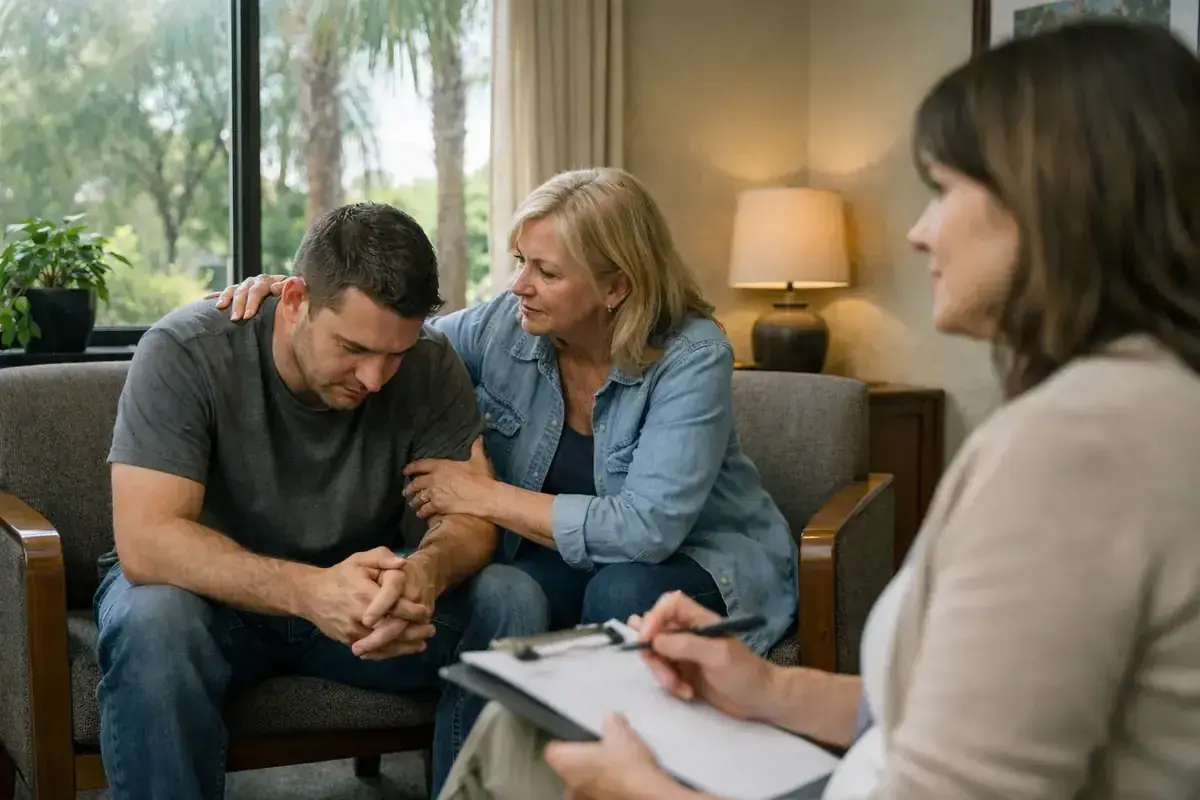
When oxycodone use leads to withdrawal, people in Tampa often need more than willpower. Opioid withdrawal can feel overwhelming, especially when symptoms build quickly and cravings intensify. For many adults and families across Hillsborough County and the Gulf Coast, the safest first step is medical support. Florida Helps offers medically supervised detox in Florida, with care decisions guided by a clinical assessment and next-step planning for residential or outpatient treatment when appropriate.
Florida Helps offers medically supervised detox in Florida. If withdrawal is starting or you are afraid to stop on your own, call 866-931-9677 today.
If you are searching for tampa oxycodone withdrawal help, it is important to act early. Waiting can increase the risk of relapse, dehydration, severe discomfort, and return to use after a period of lowered tolerance. A structured detox program can help stabilize symptoms, monitor safety, and connect you to ongoing treatment. To learn more about medically supervised detox, visit https://floridahelps.com/programs/detox/ or call 866-931-9677 to speak with Florida Helps.
Why oxycodone withdrawal can be hard to manage alone
Oxycodone is a powerful opioid, and dependence can develop whether it began with a prescription or nonmedical use. When someone stops or sharply reduces use, the brain and body react. Common symptoms include anxiety, sweating, nausea, muscle aches, restlessness, diarrhea, insomnia, and strong cravings. While opioid withdrawal is often described as less dangerous than alcohol or benzodiazepine withdrawal, it can still be medically complicated and deeply distressing, especially when other health or mental health concerns are present.
In the Tampa area, many people trying to quit at home find that the environment around them makes withdrawal harder. Access to pills, stress at work, family strain, transportation barriers, and the Florida heat can all make dehydration and exhaustion worse. Medical detox provides monitoring, symptom management, and a setting focused on safety. The goal is not just to get through a difficult few days, but to begin treatment in a way that reduces immediate risk and supports the next level of care after assessment.
Signs that it is time to seek detox support in Tampa
Some people know right away that they need help; others minimize symptoms until the situation becomes unmanageable. If withdrawal is beginning to interfere with basic functioning, if cravings are intense, or if relapse keeps happening soon after stopping, professional care may be the safer choice. Florida Helps can assess the situation and recommend an appropriate level of care based on substance use history, physical health, mental health needs, and recovery goals.
Families should also watch for changes that suggest the person is not safe trying to withdraw alone. NIDA and SAMHSA both emphasize the importance of professional evaluation when opioid use disorder may be present, especially when there is polysubstance use, depression, or recent overdose history. In Florida, where fentanyl contamination can complicate the opioid supply, any return to use after a short period of abstinence can carry serious risk.
- Withdrawal symptoms are escalating and the person cannot keep fluids down
- Repeated attempts to stop have led to quick relapse
- There is use of alcohol, benzodiazepines, or other drugs along with oxycodone
- The person has depression, panic, trauma symptoms, or suicidal thoughts
- Family members are worried about safety, overdose risk, or being alone during withdrawal
Tampa oxycodone withdrawal options at a glance
| Option | Best fit | Main concern | Next step |
|---|---|---|---|
| Home withdrawal alone | Mild symptoms, low complexity | High relapse risk, limited support | Get assessed if symptoms worsen |
| Medical detox | Moderate to severe withdrawal | Needs monitoring and symptom support | Transition to residential or outpatient care |
| Residential treatment after detox | Needs 24/7 structure | Time away from daily triggers | Build recovery routines and therapy |
| Outpatient care after detox | Stable home support, lower acuity | More exposure to triggers | Continue therapy and relapse prevention |
| Emergency care | Severe dehydration, chest pain, overdose, suicidal crisis | Immediate safety risk | Stabilize, then arrange addiction treatment |
What medically supervised detox may involve
A detox program begins with an assessment. That includes questions about oxycodone use, dose patterns, other substances, medical history, current symptoms, and mental health concerns. Care decisions should follow that assessment, because detox is not one-size-fits-all. Some people need closer medical monitoring, while others may transition more quickly into residential or outpatient treatment. The purpose is to build the safest, most appropriate starting point for recovery.
During medically supervised detox, a treatment team monitors symptoms, comfort, hydration, sleep, and overall stability. According to ASAM, withdrawal management should be part of a broader treatment plan, not a stand-alone solution. That means detox should prepare the person for continued care after acute symptoms begin to settle. Florida Helps offers detox as well as residential and outpatient options in Florida, helping individuals and families plan what comes next instead of stopping at symptom relief alone.
- Assessment-based admission and care planning
- Monitoring of withdrawal symptoms and overall safety
- Support for hydration, rest, and symptom stabilization
- Planning for the next level of care after detox
Detox at home versus medical detox
Trying to stop oxycodone at home may sound more convenient, but convenience is not the same as safety. Home withdrawal often leaves people isolated with intense discomfort, easy access to substances, and little ability to manage sudden complications. When symptoms peak, the urge to use again can become overpowering. If a person relapses after even a brief period of abstinence, tolerance may be lower than before, increasing overdose risk.
Medical detox offers structure during the phase when many people are most vulnerable. Instead of focusing only on getting through the day, patients can begin building a treatment path with clinical support. For Tampa families, this can also reduce the chaos that often happens when loved ones try to supervise withdrawal at home without professional guidance. To explore a detox-first approach, visit https://floridahelps.com/programs/detox/ and consider calling 866-931-9677 for help now.
Withdrawal can be dangerous to manage alone. Our Florida detox program provides 24/7 medical monitoring and a plan for what comes next. Call 866-931-9677.
Related reading
- Oxycodone Withdrawal
- Miami Oxycodone Withdrawal Detox Guide
- South Florida Oxycodone Detox Options
- Jacksonville Oxycodone Withdrawal Symptoms
- Florida 988 for Oxycodone Withdrawal Support
If you are looking for tampa oxycodone withdrawal help, do not wait for symptoms or relapse risk to get worse. Medically supervised detox can provide a safer, more supported start, followed by residential or outpatient care based on assessment. Florida Helps is here to talk through your options in Florida with compassion and urgency. Visit https://floridahelps.com/programs/detox/ or call 866-931-9677 today.
Start medically supervised detox in Florida
Do not wait for withdrawal to get worse. Our admissions team can talk through detox at Florida Helps and the next level of care. Call 866-931-9677.
Frequently asked questions
How long does oxycodone withdrawal usually last?
Timing varies from person to person. Symptoms often begin within hours to a day after the last use and may intensify over the next several days, but the exact course depends on dose, duration of use, other substances, and overall health. A clinical assessment is the best way to estimate what detox support may be needed.
Is oxycodone withdrawal dangerous?
It can be extremely uncomfortable and, in some cases, medically complicated. Vomiting, diarrhea, dehydration, relapse risk, and co-occurring mental health symptoms can create serious concerns. Risk may be higher when alcohol, benzodiazepines, or other drugs are involved. Professional evaluation is especially important if there is any overdose history, suicidal thinking, or major medical illness.
Can I go straight from detox into another level of treatment?
Yes. In many cases, that is the recommended path. ASAM emphasizes that withdrawal management should connect to ongoing treatment rather than end there. After assessment, some people move into residential care for more structure, while others may step into outpatient treatment if their symptoms, supports, and safety needs allow it.
What should families in Tampa do if a loved one refuses help?
Stay calm, avoid arguing during active withdrawal or intoxication, and focus on safety. Encourage a professional assessment and be specific about what you are seeing, such as vomiting, inability to sleep, panic, or repeated relapse. If there is an emergency, overdose concern, or suicidal crisis, seek immediate emergency help. Otherwise, call Florida Helps to discuss next steps.
Why is medical detox better than trying to stop oxycodone at home?
Medical detox provides monitoring, a structured environment, and treatment planning at the point when cravings and discomfort are often strongest. Home withdrawal can leave a person isolated, exposed to triggers, and more likely to return to use quickly. An assessment helps determine whether detox, residential treatment, or outpatient care is the most appropriate next step.
Further treatment information
These public health resources offer background for comparing options and preparing questions for a care team. They do not confirm local appointment availability.