
Finding support
Adult recovery support for Boca Raton, FL residents: where to begin
Support can begin with someone who listens or with information about care. For adults exploring Boca Raton recovery support and Palm Beach County addiction care resources, the first step doesn’t have to settle every decision. It can simply address the concern that feels most important today.
You may want emotional support, practical help, or someone to listen without immediately trying to solve everything. SAMHSA describes each of these as a valid starting point. Being unsure about treatment doesn’t make your concern less important. You can seek support while you’re still making sense of what has been happening.
Adult Recovery Support Resources for Boca Raton, FL Residents can serve different needs. A trusted person offers personal connection. Public resources offer information about support and services. A treatment provider offers a conversation about its care. Understanding those roles gives you a clearer starting point without turning one call into a decision about everything.
Sources
- Start with your concern: A listener, emotional reassurance, and practical help are different needs; each can be a meaningful starting point.
- Know the options: Recovery support resources for adults in Boca Raton, FL include public information alongside trusted personal support.
Public resources and care
Public resources and adult recovery care for Boca Raton residents
Public resources and treatment providers have different roles. Alongside addiction care information for Boca Raton residents and Palm Beach County recovery resources, county information can help explain the local public service system. Florida Helps provides a direct path to discussing its adult detox and residential addiction care.
Palm Beach County’s Office of Behavioral Health and Substance Use Disorders coordinates and contracts for substance use disorder services in the county. It’s a separate public resource, not part of Florida Helps. Its county role gives residents another source of information beyond a conversation with an individual treatment provider about that provider’s programs.
Florida Helps offers adult drug and alcohol detox and residential addiction treatment at 3600 Red Road, Suite 501-A, Miramar, FL 33025. Detox focuses on the stage of stopping substance use; residential treatment provides a setting to live while receiving addiction care. These options offer treatment-focused support rather than information or informal encouragement alone.
Sources
- Different roles: County coordination provides public service context, while a treatment provider explains the care it actually offers.
- A direct care option: Florida Helps offers adults detox and residential addiction care, giving a treatment discussion a specific focus.
Choosing your next step
Choosing recovery support resources for adults in Boca Raton, FL
The right starting point depends on the support you want now. Our Boca Raton addiction care information and Palm Beach County care information provide regional context. Personal support can help you feel heard, while a treatment discussion focuses on care for drug or alcohol use.
If your immediate need is to talk, a trusted person may be the place to begin. If you want help finding care, practical support may matter more. SAMHSA encourages identifying the kind of help you want. You don’t need a complete explanation of your situation to begin with one specific concern.
When your concern is about treatment, Florida Helps’ adult detox and residential programs give that conversation a clear focus. Residential care means receiving addiction treatment in a live-in setting. Mental health support is limited to co-occurring needs within this addiction care. The purpose of calling is to discuss care, not to have every answer ready.
Sources
- Match the immediate need: Adult recovery support for Boca Raton, FL residents can begin with listening, practical help, or treatment information.
- Keep the first step manageable: A care discussion can focus on your current concerns rather than requiring a complete personal history upfront.
Support from someone you trust
Personal support for Boca Raton adults and loved ones
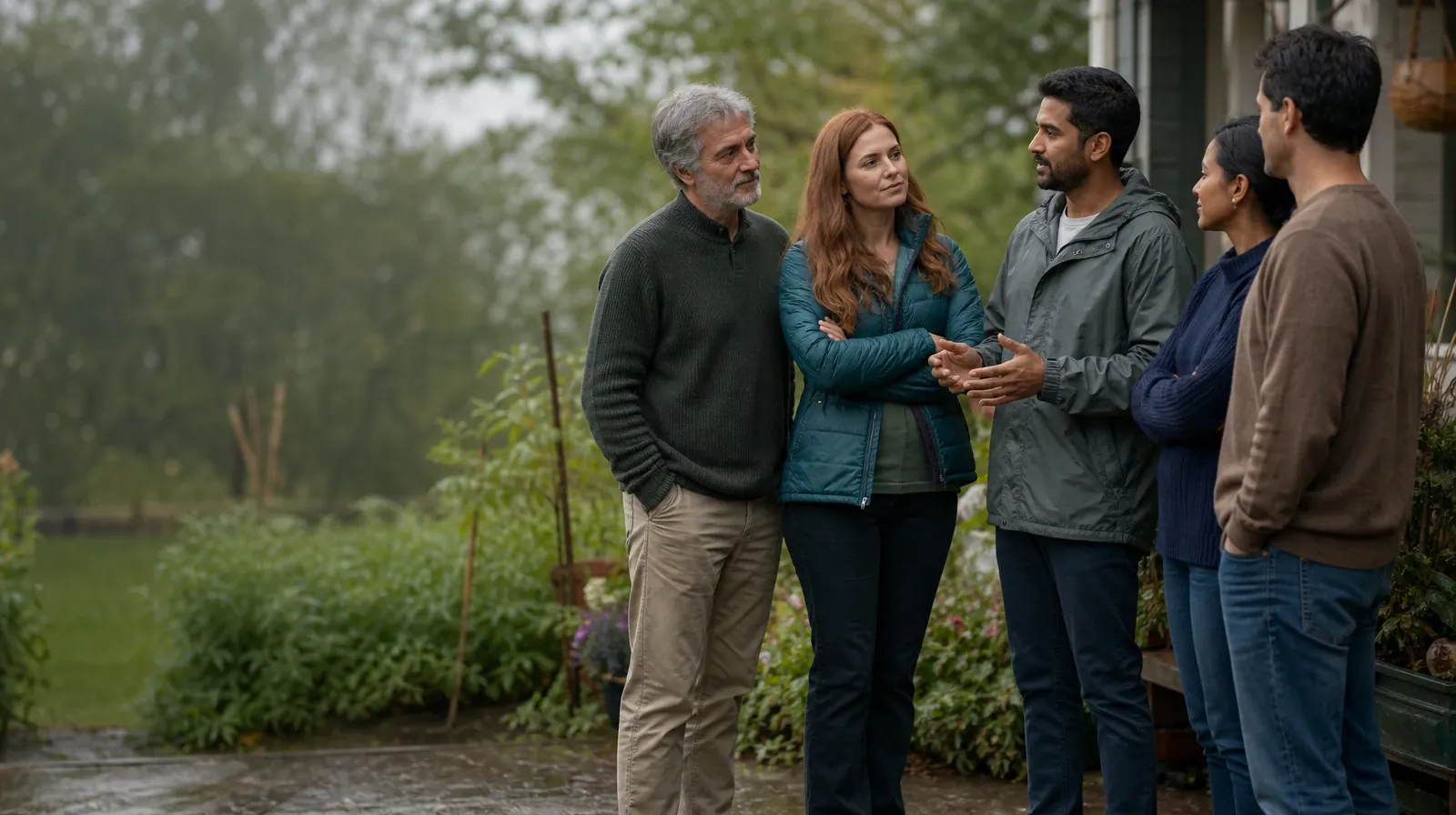
One calm conversation can be a useful first step. For families considering recovery support for Boca Raton residents or addiction support in Palm Beach County, listening matters as much as sharing concerns. A private setting and a kind tone can make a difficult subject easier to discuss.
If you’re the person seeking support, you don’t have to explain everything at once. SAMHSA notes that one specific request can be enough to begin. A conversation that doesn’t help isn’t the only possible response: another trusted person or health professional may listen differently and offer a different kind of support.
If you’re worried about a loved one, patience leaves room for them to speak in their own time. Listening without judgment can make the conversation more supportive. You can remain available even when they don’t want to talk. Practical help connecting with treatment can be valuable without taking over another adult’s decisions.
Sources
- Make room for privacy: A calm, private setting gives you and your loved one space to talk without an audience.
- Lead with respect: Listening with kindness keeps the focus on understanding rather than winning an argument about seeking help.
A caring next step
Taking a next step toward recovery support in Boca Raton
Your next step can be information, personal support, or a care discussion. The Boca Raton treatment resource page and Palm Beach County addiction care page offer more regional context. If you want to discuss adult drug or alcohol treatment, Florida Helps offers phone admissions as a direct starting point.
You don’t need to turn uncertainty into a firm treatment decision on your own. Information can help you understand the choices; personal support can give you someone to share the concern with. A call to Florida Helps moves the discussion toward its adult detox and residential programs when treatment is what you want to consider.
You can start with what’s happening now, whether you’re concerned about yourself or someone you love. Call (866) 931-9677 to talk about adult drug and alcohol detox or residential addiction treatment at Florida Helps. You can take that first step while leaving yourself room to decide what comes next.
Sources
- Keep your choice: You can seek information or emotional support now without deciding your entire path in one conversation.
- Talk about care: Calling Florida Helps connects your concern with a discussion about its adult detox and residential programs.
Straight answers, without pressure
Questions people often ask
You can read what feels useful and bring the rest into a private conversation.
Where can I start if I’m not ready to discuss treatment?
You can start with a trusted person who can listen, offer emotional support, or help with a practical concern. SAMHSA explains that you don’t have to share everything at once. Choosing one kind of support can make the first step feel more manageable without committing you to treatment.
What public recovery resource serves Palm Beach County?
Palm Beach County’s Office of Behavioral Health and Substance Use Disorders coordinates and contracts for substance use disorder services in the county. It’s a separate public resource for county residents. That role is different from Florida Helps’ role as a provider of adult drug and alcohol detox and residential addiction treatment.
What treatment does Florida Helps offer adults?
Florida Helps offers adult drug and alcohol detox and residential drug and alcohol addiction treatment. These are treatment options rather than informal personal support. Co-occurring mental health support is part of that addiction care, not a separate psychiatric admission service. A phone conversation can begin a discussion about these programs.
Can I help a loved one who isn’t ready to talk?
Yes. You can respect their wish not to talk while remaining available and treating them with kindness. SAMHSA notes that seeking help may take more than one conversation. Your support can include listening and practical help connecting with care, while leaving your loved one room to make their own choices.
Educational information for adults and loved ones. A qualified professional can help apply it to your health and circumstances. Editorial oversight: Tim Francis.