
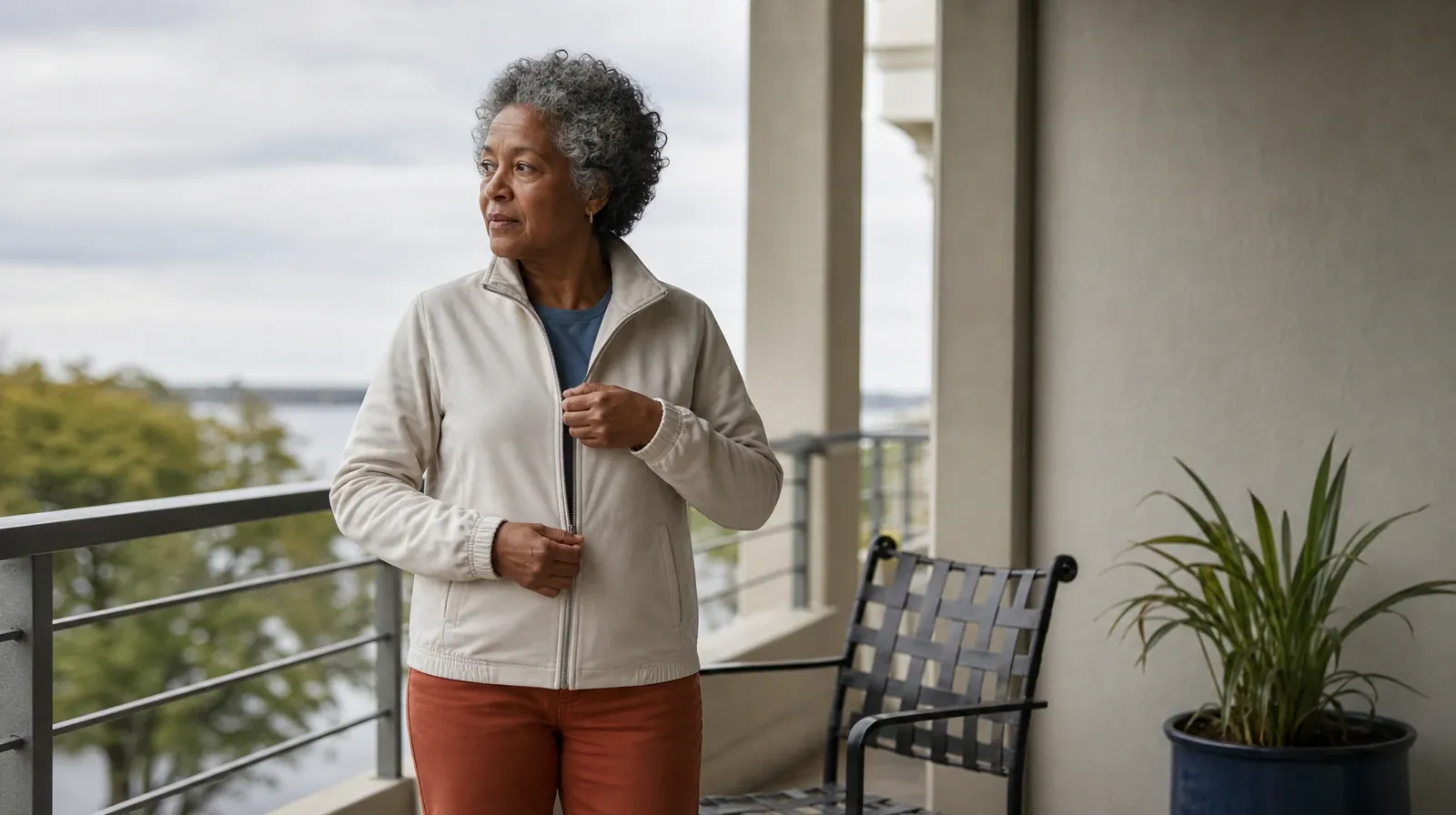
Support at home
A realistic plan for returning home after addiction treatment in Coconut Creek, FL
Returning Home After Treatment for Coconut Creek, FL Residents starts with support that fits everyday life. Our Coconut Creek treatment resource and Broward County addiction care information provide local context. At home, the immediate priority is understanding which kinds of help would feel useful, rather than expecting yourself to handle everything.
Practical help and emotional support aren’t the same thing. You may want company, a trusted listener, or help connecting with care. SAMHSA identifies each as a valid reason to reach out. Naming the kind of support you want gives the people around you a clearer way to be helpful without taking over.
A support plan can leave room for privacy. You don’t owe everyone a full account of treatment or recovery. Beginning with one specific need can be enough. If the first person you turn to isn’t helpful, another trusted person or health professional may respond differently. One difficult exchange doesn’t have to end your search for support.
Sources
- Start small: Support after returning home from treatment in Coconut Creek, FL can begin with one specific need.
- Match support to your needs: A trusted listener and practical help serve different purposes; either can be a meaningful starting point.
Treatment options
Adult treatment options for Coconut Creek, FL residents
If drug or alcohol use is a concern, Florida Helps offers adult detox and residential addiction treatment. The Coconut Creek addiction treatment information and Broward County treatment overview explain the community context. The treatment destination is 3600 Red Road, Suite 501-A, Miramar, FL 33025.
Detox focuses on the beginning of treatment for drug or alcohol use. Residential addiction treatment provides care in a setting where you stay rather than return home between visits. These options matter when the immediate need is treatment itself, not simply encouragement or help with the demands of being back at home.
Florida Helps also supports co-occurring mental health concerns within its adult addiction care, rather than through standalone psychiatric admissions. Understanding that focus helps separate the need for everyday support from the need to discuss treatment. When treatment is your concern, you can call admissions to talk about the adult care Florida Helps offers.
Sources
- Understand detox: Adult detox addresses the beginning of drug or alcohol treatment rather than everyday support at home.
- Understand residential care: Residential addiction care means staying in a treatment setting instead of returning home between treatment visits.
Your next decision
Choosing support after returning home from treatment in Coconut Creek, FL
You can start with the help you want today. Alongside our Coconut Creek recovery resources and Broward County addiction resources, trusted personal support can have a place. Seeking help doesn’t require a perfect explanation, and you don’t have to settle every longer-term decision in one conversation.
Some concerns are practical, while others need a listening ear. You may want help finding care, or space to describe what has been difficult since coming home. SAMHSA’s guidance allows for each of these starting points. The important distinction is that seeking support can begin with your present concern, not a complete account of your past.
For a loved one, kindness and patience matter more than pressing for a full explanation. Listening without judgment gives the person room to describe their experience. If they don’t want to talk, respecting that boundary while remaining available can keep support open. Being supportive doesn’t mean controlling another adult’s choices.
Sources
- Keep your privacy: Returning home after addiction treatment in Coconut Creek, FL doesn’t require sharing your whole story at once.
- Leave room for choice: Loved ones can listen with kindness while leaving decisions and personal boundaries with the adult receiving support.
Preparing together
Practical support for the transition home to Coconut Creek, FL
Practical preparation means making support understandable, not creating a perfect routine. Our Coconut Creek support information and Broward County recovery information offer community context. At home, a clear distinction between practical help, private matters, and treatment needs can make everyone’s role easier to understand.
A loved one may be eager to help but unsure where to begin. Specific, wanted help is different from taking charge. SAMHSA’s family guidance emphasizes practical support and connection with treatment, alongside patience. That leaves space for both people: one can offer help, while the other retains a say in what support feels useful.
There may also be moments when talking feels difficult. A calm, private setting and a nonjudgmental listener can make room for a more comfortable exchange. It may take more than one conversation. Returning home doesn’t require every family concern to be resolved immediately, and a pause doesn’t have to mean support has ended.
Sources
- Keep help collaborative: Practical help works best as an offer of support, not as a way to take over decisions.
- Allow time: A calm setting and respect for privacy can leave room for conversations to continue over time.
Talk about treatment
A first treatment conversation for Coconut Creek, FL residents
If being home has brought concerns about drug or alcohol use, you can reach out now. The Coconut Creek adult treatment resource and Broward County care information provide context. A phone conversation with Florida Helps admissions is a starting point for discussing adult detox and residential addiction treatment.
You don’t need to turn a difficult experience into a polished explanation. Starting with what is happening now keeps the conversation connected to your concern. That may be your own substance use or worry about someone you love. Seeking information is a step you can take without having every decision worked out.
Support after returning home from treatment in Coconut Creek, FL can involve trusted people, practical help, or renewed attention to treatment needs. Those needs aren’t interchangeable, but each deserves care. If adult drug or alcohol treatment is the next step you’re considering, call Florida Helps at (866) 931-9677 to talk with admissions.
Sources
- Begin where you are: A first conversation can begin with your current concern rather than a complete account of the past.
- Connect with care: Phone admissions provides a direct way to discuss Florida Helps adult detox and residential addiction treatment.
Straight answers, without pressure
Questions people often ask
You can read what feels useful and bring the rest into a private conversation.
What matters most when returning home after treatment?
A realistic support plan starts with the help you want and the people you trust. Practical help, emotional support, and someone who listens can serve different needs. You don’t have to share everything at once. Keeping support specific can make the transition feel less like something you must manage alone.
How can I support a loved one coming home?
Listen without judgment, speak with kindness, and respect your loved one’s privacy. Practical help can matter alongside emotional support. Patience matters, too: one conversation may not resolve every concern. You can remain available without taking over decisions or expecting your loved one to explain everything about treatment.
Does Florida Helps offer care after someone has returned home?
Florida Helps offers adult drug and alcohol detox and residential addiction treatment. Those are treatment settings rather than a home-based support service. If substance use is again a concern after returning home, a phone conversation with admissions can be a starting point for discussing those adult treatment options.
Can I reach out if I’m unsure what kind of help I need?
Yes. You can begin with the concern you have now, even if you don’t have a name for it. SAMHSA describes practical help, emotional support, a listener, and help finding care as possible starting needs. You don’t need a complete personal history ready to begin seeking support.
Educational information for adults and loved ones. A qualified professional can help apply it to your health and circumstances. Editorial oversight: Tim Francis.