
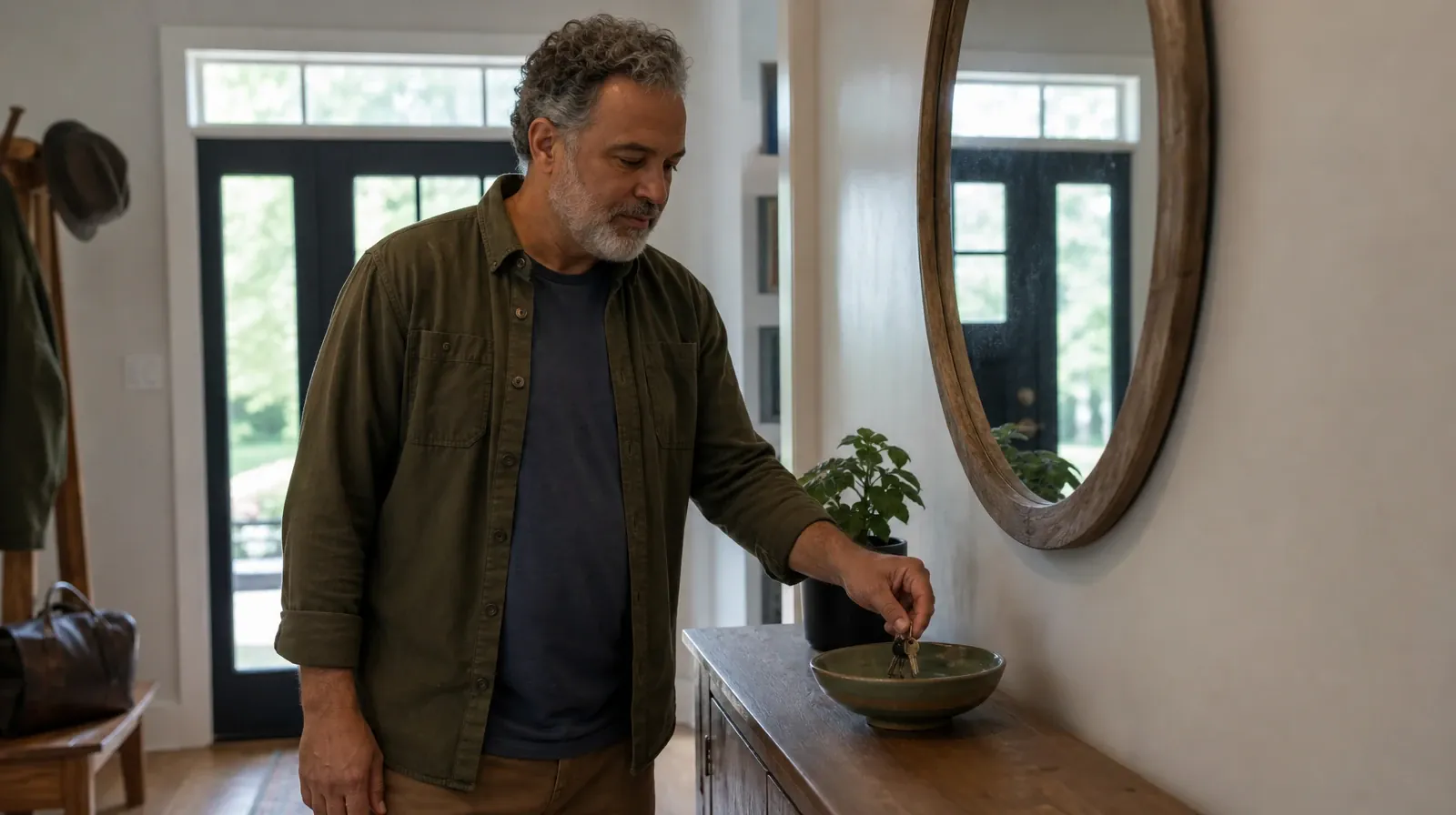
What residential care means
Residential addiction treatment for adults from Florida City, FL
Residential treatment means living where substance-use care takes place. If you’re considering addiction treatment for Florida City residents, understanding that living arrangement is a useful starting point. Our Miami-area addiction treatment information also puts the regional care option in context while you consider what support could mean for you.
Living at a treatment program changes the setting in which you receive care. Instead of fitting treatment around life at home, you stay in an environment centered on substance-use treatment. That distinction matters when everyday responsibilities and familiar routines make it difficult to give your concerns sustained attention.
Residential care is more than a place to stay. Its purpose is to bring living arrangements and addiction care together during treatment. If you’re helping a loved one, this gives you a concrete way to understand the option: they would live at the program rather than attend care from home.
Sources
- Understand the setting: Residential care brings your living setting and substance-use treatment together during your time in the program.
- Support can start earlier: Considering care now doesn’t require waiting for daily life to become harder or reach a crisis.
Finding the relevant care
Choosing a level of addiction care from Florida City, FL
The right level of care depends on your individual substance-use needs, not simply a program name. Our Florida City addiction care information and Miami-area treatment overview provide local context. Florida Helps offers adult drug and alcohol detox and residential treatment, two distinct parts of addiction care.
You don’t have to decide on a level of care just because you recognize that something needs to change. Treatment can involve more than one type of care, depending on the person. Understanding that flexibility can ease the pressure to identify an entire treatment path at the very beginning.
Florida Helps’ adult program scope includes both detox and residential addiction treatment. Having both types of care means the conversation can address more than one possible treatment need. It doesn’t mean every adult needs both. The focus should stay on the person’s situation rather than making everyone follow the same sequence.
Sources
- Start with the person: Your substance-use care needs matter more than choosing a program label at the start of the process.
- Understand the options: Adult detox and residential treatment are different care options, not interchangeable names for the same service.
Your community and treatment
Drug and alcohol residential care for Florida City, FL residents
Adults from Florida City can consider Florida Helps’ treatment facility in Miramar, Florida, at 3600 Red Road, Suite 501-A. The Florida City treatment information and Miami-area addiction care overview connect your home community with this treatment option. Residential care means living at the program while receiving care.
It’s understandable to want help that makes sense for your life and your connection to home. With residential treatment, the immediate decision concerns a place to live while receiving addiction care, not a series of visits from home. That difference deserves attention when you’re weighing a change in your daily routine.
For a loved one, it may help to understand what this setting is meant to provide: a living environment centered on treatment. You can care deeply about someone without having to determine their care needs yourself. A conversation with Florida Helps is a practical way to begin discussing adult treatment.
Sources
- Plan around the setting: Residential treatment for adults from Florida City involves living at the program, rather than commuting for visits.
- Make room for support: Loved ones can help begin the treatment conversation without deciding which level of care someone needs.
Beginning the conversation
Starting residential addiction care from Florida City, FL
Care planning starts with understanding the person, the level of care, and the setting. Alongside our Florida City addiction treatment information and Miami-area care information, a phone conversation gives you a direct way to discuss Florida Helps’ adult detox and residential programs without choosing a program on your own first.
If you’re unsure how serious the situation has become, that uncertainty doesn’t have to keep you from reaching out. You can start with what’s happening now. The purpose of taking that first step is to bring your concern into a treatment conversation, not to arrive with a diagnosis or a finished plan.
For Residential Drug and Alcohol Addiction Treatment for Florida City, FL Residents, the next step is a phone call to Florida Helps. Call (866) 931-9677 to discuss adult care. You can focus on understanding the treatment options rather than trying to resolve every part of the decision at once.
Sources
- Uncertainty is a starting point: You can begin a care conversation even when you’re uncertain about the right level of treatment.
- Take one manageable step: Phone admissions gives you a direct next step for discussing Florida Helps’ adult addiction treatment programs.
Looking beyond the first step
Connecting stages of addiction treatment for Florida City, FL residents
Treatment needs can change, and care may involve more than one type of support. The Florida City addiction treatment overview and Miami-area treatment information offer a starting point for understanding the options. Continuity means considering how relevant stages of care fit together around the person’s needs.
It’s useful to think beyond a single program name without assuming a fixed sequence. Detox and residential treatment serve different roles within substance-use care. A person may need more than one type of treatment, but the relevant path depends on individual needs rather than a schedule that applies to everyone.
You don’t have to map the whole future today. Understanding residential care, recognizing that other care may also be relevant, and beginning a conversation are meaningful first steps. If you or your loved one is considering adult drug and alcohol treatment, call Florida Helps to talk about a next step.
Sources
- Keep needs at the center: Different stages of care can be relevant as needs change; one fixed path doesn’t fit everyone.
- Begin where you are: A first conversation can begin with today’s concerns without requiring you to plan every later step.
Straight answers, without pressure
Questions people often ask
You can read what feels useful and bring the rest into a private conversation.
What does residential addiction treatment mean?
Residential treatment means living at a treatment program while receiving substance-use care. That setting differs from care you attend while living elsewhere. For an adult who needs a treatment-focused living environment, the setting itself is an important part of understanding residential care and deciding on a next step.
Does Florida Helps offer both detox and residential care?
Yes. Florida Helps offers adult Drug and Alcohol Detox and Residential Drug and Alcohol Addiction Treatment. These are distinct parts of substance-use care. A person’s needs guide which level is relevant, and treatment can involve more than one type of care rather than the same path for everyone.
Can mental health concerns be part of addiction care?
Florida Helps includes co-occurring support within adult drug and alcohol detox and residential addiction care. If emotional concerns are part of what you or your loved one is experiencing, they belong in the discussion of substance-use care needs. This is not a separate, standalone psychiatric admissions program.
How do I begin if I’m unsure which level of care is needed?
Start with a phone conversation about what’s happening now. You don’t need to choose between detox and residential care on your own first. Call Florida Helps at (866) 931-9677 to discuss adult drug and alcohol treatment and take a manageable first step toward understanding the available care.
Educational information for adults and loved ones. A qualified professional can help apply it to your health and circumstances. Editorial oversight: Tim Francis.