
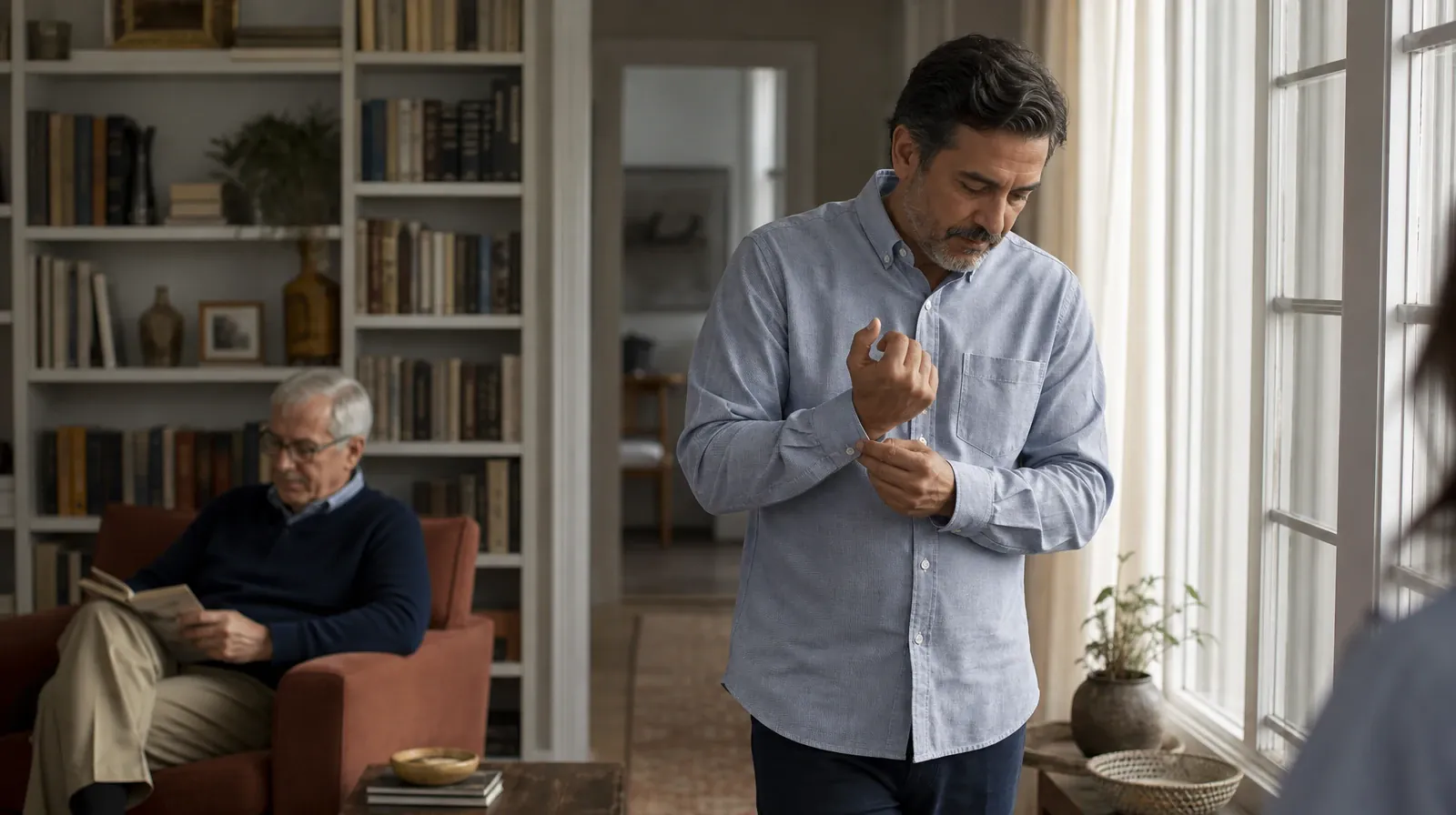
Starting at home
Returning Home After Treatment for Hialeah, FL Residents: Start Small
Returning home starts with a realistic view of daily life and the support you want. Alongside Hialeah addiction treatment resources and Miami-area treatment resources, a useful starting point is deciding what would make today more manageable. You don't need to solve every concern at once.
Think of the return as a series of smaller decisions, rather than a test of whether treatment worked. Everyday responsibilities, time with other people, and personal space can each deserve attention. Choose one immediate concern to focus on so that planning stays connected to your life rather than becoming another source of pressure.
SAMHSA describes several kinds of support: practical help, emotional support, someone to listen, or help finding care. Those needs aren't interchangeable. For someone returning home after addiction treatment in Hialeah, FL, identifying the kind of help that matters today can make a trusted person's involvement more useful and less overwhelming.
Sources
- Keep the first step small: Choose one immediate concern so your return plan begins with something specific and manageable today.
- Name the support you need: Practical help and a listening ear meet different needs; either can be a meaningful starting point.
Understanding treatment
Adult Treatment Options for Hialeah Residents Returning Home
If you need another treatment conversation, Florida Helps offers adult drug and alcohol detox and residential addiction care. The Hialeah treatment information and Miami-area addiction care information connect that option with your search. Treatment takes place at 3600 Red Road, Suite 501-A, Miramar, FL 33025.
Detox and residential treatment address different parts of addiction care. Detox focuses on the period of stopping drug or alcohol use. Residential treatment means staying in a treatment setting rather than receiving care while living at home. That distinction matters when you're considering whether you need treatment rather than help with an everyday task.
Florida Helps also supports co-occurring mental health concerns within its adult addiction care. These program options don't establish an ongoing aftercare service. If substance use is your immediate concern, call (866) 931-9677 to talk about adult treatment. You can begin with what's happening now, even if you've had treatment before.
Sources
- Understand the care options: Adult detox addresses stopping substance use; residential care provides addiction treatment in a setting where you stay.
- Care can remain a consideration: Returning home doesn't prevent you from opening another conversation about adult drug or alcohol treatment.
Finding the right support
Choosing Support After Returning Home to Hialeah, FL
The next step depends on what you need now, not simply on having finished treatment. Addiction care resources for Hialeah residents and Miami-area treatment options offer context when care is part of that need. Sometimes the immediate starting point is a listener or practical support.
You don't have to turn every difficult day into a decision about entering treatment. It can help to separate wanting someone to listen from needing help finding care. Both deserve attention. Support after returning home from treatment for Hialeah, FL residents can begin with the concern that feels most important, rather than every concern together.
If finding care is the priority, Miami-Dade County publishes information about adult substance use assessment, referral, and treatment resources. That public resource provides another place to learn about options. If a first conversation leaves you feeling unheard, SAMHSA notes that a different trusted person or health professional may respond differently.
Sources
- Focus on today's need: Let your present concern guide the next step, rather than expecting one answer to fit everything.
- Know another resource: Miami-Dade County offers public information about adult substance use assessment, referral, and treatment resources.
Daily support
A Practical Return-Home Plan for Hialeah Residents
A practical plan can begin with one priority and one supportive connection. While Hialeah addiction care information and Miami-area recovery resources can inform a care search, everyday support starts with what feels useful to you. You can share a little without explaining your whole experience.
A trusted person doesn't need every detail to offer support. Choosing a private time can give you more room to speak at your own pace. One specific request may be enough to begin. Returning home after addiction treatment in Hialeah, FL doesn't require having a complete explanation ready for everyone around you.
If you're supporting a loved one, kindness and patience matter more than pushing for a full account of treatment. Listen without judgment and respect a decision not to talk. Staying available leaves room for connection later. Support can take more than one conversation, and your loved one still has a voice in what happens next.
Sources
- Protect your pace: One specific request can open the door to support without requiring you to share everything.
- Leave room for choice: Loved ones can listen kindly and remain available while respecting an adult's choices and boundaries.
Taking the next step
Your Next Conversation About Treatment From Hialeah, FL
Your next step can be a conversation, not a commitment to enter care. Treatment guidance for Hialeah residents and Miami-area addiction treatment information can help you understand the setting for that decision. When adult drug or alcohol treatment is the concern, Florida Helps offers phone admissions.
You don't need to settle every part of returning home before reaching out. A treatment conversation has a narrower purpose: bringing your current drug or alcohol concerns into focus and discussing Florida Helps' adult care options. Past treatment is part of your experience, not a reason to dismiss a present need for help.
Support after returning home from treatment for Hialeah, FL residents can include personal connections, public resources, or a new care conversation. You can take the next step without deciding everything today. If you or your loved one needs help with drug or alcohol use, call Florida Helps at (866) 931-9677 to talk about detox and residential treatment.
Sources
- Start with a conversation: A call can focus on your current concerns without requiring you to decide everything at once.
- Connect with treatment: Florida Helps phone admissions provides a direct way to discuss adult detox and residential addiction care.
Straight answers, without pressure
Questions people often ask
You can read what feels useful and bring the rest into a private conversation.
Where do I start when I'm returning home after treatment?
Start with one manageable priority and one person you trust. You may need practical help, emotional support, or help connecting with care. You don't have to explain everything at once. A small, specific request can make support easier to understand without turning your whole return home into one large task.
Does returning home mean I should manage everything on my own?
No. Needing support doesn't take away your independence. You can decide what to share and what kind of help feels useful. A trusted person can listen or help with a practical concern. If one conversation isn't helpful, another trusted person or health professional may respond differently.
What treatment does Florida Helps offer adults?
Florida Helps offers adult drug and alcohol detox and residential addiction treatment. These are treatment options to discuss when you need help with substance use, including when concerns return after earlier care. Support for co-occurring mental health concerns sits within that addiction care, rather than separate psychiatric admissions.
How can I support a loved one after they come home?
Listen without judgment, speak kindly, and allow room for your loved one's choices. A calm, private setting can make it easier to connect. They may not want to talk right away. Respecting that boundary while remaining available offers support without making every interaction about treatment or recovery.
Educational information for adults and loved ones. A qualified professional can help apply it to your health and circumstances. Editorial oversight: Tim Francis.