
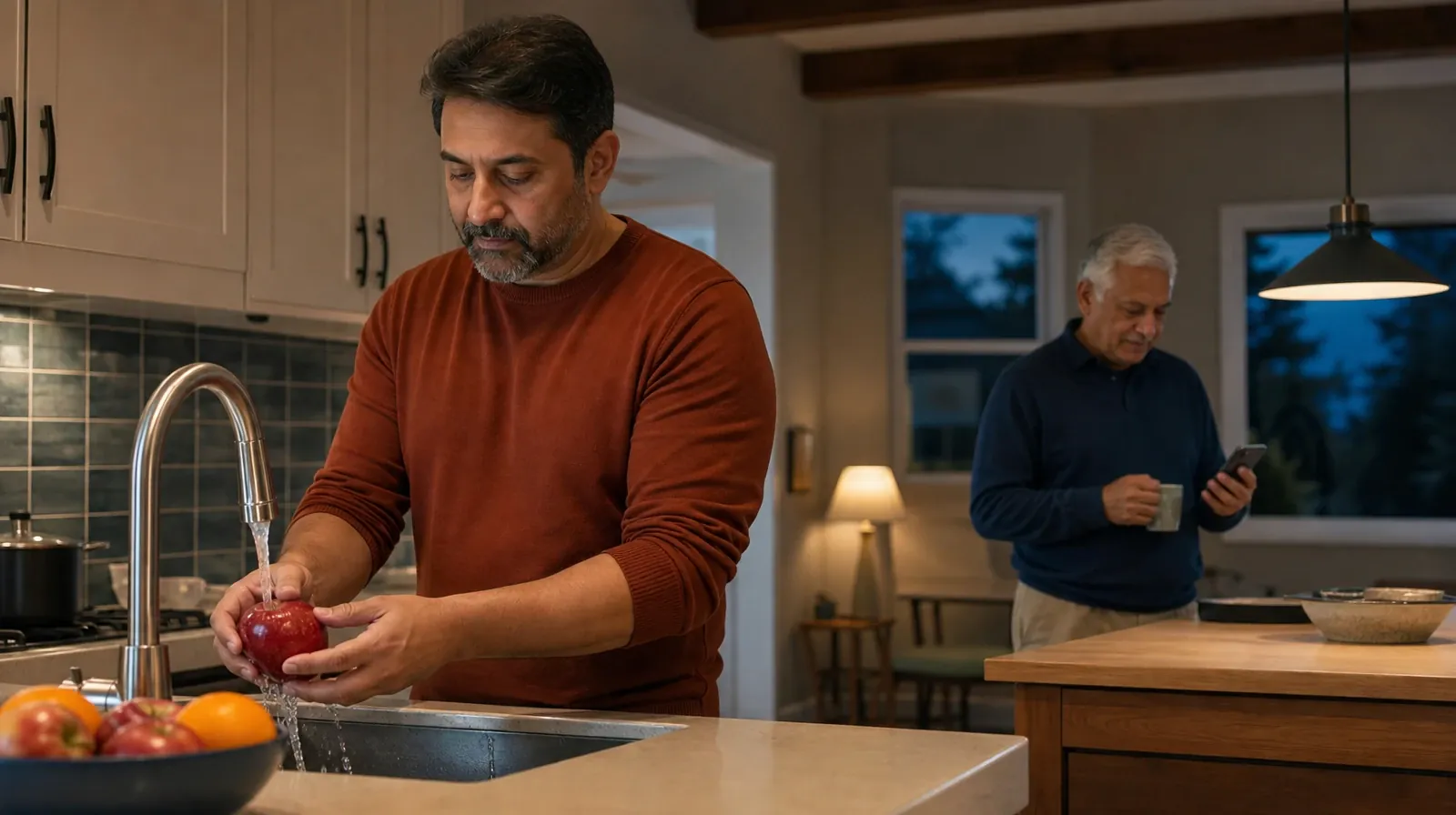
A supportive starting point
Supporting an adult loved one in Overtown, Miami, FL starts with listening
Start by making room for your loved one's experience. Our Overtown, Miami, FL treatment information and Miami neighborhood care resources offer context for care options. At home, support begins with kindness and listening, rather than trying to settle every concern or secure a treatment decision in one conversation.
When you're worried, it's understandable to want an immediate answer. A calm, private setting gives both of you more room to speak and listen. Focus on understanding what your loved one is experiencing. You don't need to label their behavior or persuade them to share more than they're ready to explain.
Supporting an Adult Loved One for Overtown, Miami, FL Residents means holding concern and respect together. If they don't want to talk, you can respect that boundary and remain available. A pause doesn't have to end your support. Another conversation may be possible later, without turning every interaction into a discussion about treatment.
Sources
- Listen first: Give your loved one room to describe their experience without judgment or pressure to decide.
- Leave room for time: Supporting an adult in Overtown can begin with patience, even when a conversation ends without agreement.
Understand treatment options
Adult addiction care options for Overtown, Miami, FL families
Understanding care gives you something concrete to offer. The Overtown adult addiction care overview and Miami neighborhood treatment information introduce Florida Helps care. Its adult drug and alcohol detox and residential treatment take place at 3600 Red Road, Suite 501-A, Miramar, FL 33025.
Detox focuses on the process of stopping drug or alcohol use. Residential addiction treatment provides a live-in setting where treatment becomes the focus of the day. For someone considering help, understanding that difference makes treatment less abstract: there are distinct care options, rather than one vague instruction to stop using substances.
Your loved one can also consider independent public resources. Miami-Dade County publishes information about adult substance use assessment, referral, and treatment. That offers another starting point for understanding available paths. You can hold both options in view without deciding on your loved one's behalf or treating one conversation as a final choice.
Sources
- Understand the care: Detox and residential treatment address different parts of seeking help for adult drug or alcohol use.
- Keep options open: Miami-Dade County's public information offers an independent resource alongside learning about Florida Helps adult treatment.
Support without pressure
Respecting an adult's choices about treatment from Overtown, Miami, FL
Your support matters, and the decision remains your loved one's. The Overtown treatment resource and Miami neighborhood addiction care overview can make options easier to understand. Learning about care gives you a way to help without taking over another adult's choices or demanding an immediate answer.
You may feel ready for action while your loved one feels uncertain. That difference doesn't mean you need a stronger argument. SAMHSA's family guidance emphasizes patience and recognizes that seeking help may take more than one conversation. You can express care, listen to hesitation, and leave space for a decision that belongs to them.
For anyone supporting an adult loved one with substance use concerns in Overtown, Miami, FL, separating support from control can make the next step clearer. You can offer practical help connecting with treatment. Your loved one can decide whether to accept it, how much to share, and when they want to learn more.
Sources
- Preserve their agency: Offer information and practical support while leaving your adult loved one room to make their choices.
- Allow uncertainty: A conversation can be worthwhile even when your loved one isn't ready to pursue treatment yet.
A manageable offer
Practical support for Overtown, Miami, FL loved ones
One manageable offer can be more useful than a long list of solutions. Alongside the Overtown addiction treatment information and Miami neighborhood support resources, consider what your loved one wants now: someone to listen, emotional reassurance, practical help, or help connecting with care.
Keep the offer small enough to accept or decline freely. That might mean being present while your loved one learns about treatment or helping them connect with a care provider when they want that help. They don't have to explain everything at once. One specific need can be enough to begin a conversation about support.
Support for families facing adult substance use in Overtown, Miami, FL can also include finding someone you trust to listen to your own concerns. You don't have to carry every feeling alone. SAMHSA notes that a trusted person or health professional may offer a different response when an earlier conversation wasn't helpful.
Sources
- Make help manageable: Offer one concrete kind of help, with room for your loved one to accept or decline.
- Include your needs: Your own need for a listener matters too; a trusted person can be a starting point.
Take the next step
A first treatment call for Overtown, Miami, FL families
A first call can simply help you understand care. The Overtown adult treatment overview and Miami neighborhood care information provide a starting point. Speaking with Florida Helps admissions brings the next step into a conversation about adult drug and alcohol detox and residential addiction treatment.
You don't need to arrive with a diagnosis or a decision already made. Concern about what's happening is enough reason to learn about treatment. A phone conversation can focus on the care Florida Helps offers, giving you a clearer understanding of the options without making the choice on your loved one's behalf.
If you're ready to move from worry toward understanding, call Florida Helps at (866) 931-9677. Start with what's happening now, whether you're seeking help for yourself or learning for someone you love. You can take this one step at a time and leave room for your loved one's voice throughout.
Sources
- Begin with understanding: Learning about adult detox and residential care is a useful step before making a treatment decision.
- Connect by phone: Call Florida Helps admissions for a direct conversation about the adult addiction care it offers.
Straight answers, without pressure
Questions people often ask
You can read what feels useful and bring the rest into a private conversation.
How can I support an adult loved one who doesn't want to talk?
Respect their wish to pause and remain available. Listening without judgment matters more than getting through every concern in one conversation. It may take several conversations before someone seeks help. You can continue to show care without trying to make the treatment decision for them.
Can I learn about treatment without committing my loved one to care?
Yes. You can call Florida Helps for an explanation of its adult drug and alcohol detox and residential treatment. Learning about those options is separate from your loved one deciding to pursue treatment. A first conversation can be about understanding care, rather than making an immediate decision.
What treatment does Florida Helps offer adults?
Florida Helps offers adult drug and alcohol detox and residential addiction treatment. These provide different kinds of support: detox addresses the process of stopping substance use, while residential care provides a live-in setting focused on addiction treatment. Co-occurring mental health support sits within that addiction care, not separate psychiatric admissions.
Are there independent public resources for Miami-Dade families?
Yes. Miami-Dade County publishes information about adult substance use assessment, referral, and treatment resources. That gives you a public resource alongside learning about Florida Helps. The county information is independent of Florida Helps and can be useful when your loved one wants to consider other paths to support.
Educational information for adults and loved ones. A qualified professional can help apply it to your health and circumstances. Editorial oversight: Tim Francis.