
Understanding an assessment
Planning a Treatment Assessment for Opa-locka, FL Residents
A treatment assessment helps clarify the kind of adult support that may fit your situation. For Opa-locka residents considering addiction care, the starting point is what's happening now. Our Miami-area treatment information adds regional context while you consider whether drug or alcohol treatment could be a useful next step.
You may be noticing changes in daily routines, relationships, or your ability to follow through on things that matter. Those concerns are enough to begin seeking support. You don't need to give yourself a diagnosis or decide on a treatment setting before taking your concern seriously and learning about care.
The value of an assessment is direction. Rather than treating every concern as the same, it helps connect the decision about care to the person's needs. For you or your loved one, that means moving from a broad worry about substance use toward a clearer understanding of the support being considered.
Sources
- Start with what's happening: Your everyday concerns are a meaningful starting point, even when you aren't sure what they mean.
- Keep the person first: Treatment assessment planning for adults in Opa-locka, FL begins with individual needs, not a predetermined treatment choice.
Care options
Treatment assessment planning for adults in Opa-locka, FL: knowing your options
Florida Helps offers two adult care options: drug and alcohol detox and residential addiction treatment. Our treatment information for Opa-locka residents and Miami-area addiction care resources provide context for that decision. Understanding each option's purpose can make the idea of seeking treatment less unfamiliar.
Detox addresses the beginning of care as a person stops using drugs or alcohol. Residential treatment provides a place to stay while receiving addiction care. Florida Helps provides these services at 3600 Red Road, Suite 501-A, Miramar, FL 33025. Knowing the actual treatment destination makes the practical decision more concrete.
You also have public resources beyond a single provider. Miami-Dade County publishes information about adult substance use assessment, referral, and treatment resources. SAMHSA offers help-seeking guidance for people across the country. These resources can broaden your understanding of support while you consider the adult care options available through Florida Helps.
Sources
- Understand the difference: Detox and residential treatment have different roles, so understanding their purposes helps make care choices clearer.
- Know about public support: County resources offer another starting point for understanding adult assessment, referral, and substance use treatment.
Choosing a level of care
Planning an addiction treatment assessment from Opa-locka, FL: finding the right support
The central decision is what kind of structured support fits your needs. Our Opa-locka addiction treatment resources introduce the available adult care, while our Miami-area treatment overview places it in context. An assessment helps make that decision about the person, rather than about a program name.
If your immediate concern is stopping drug or alcohol use, detox and ongoing residential care shouldn't be treated as interchangeable. Detox focuses on that beginning stage. Residential treatment creates time and space for continued addiction care. Understanding that distinction helps explain why the first treatment decision deserves attention rather than a guess.
A residential setting also changes the practical shape of receiving care: you stay where treatment takes place instead of simply visiting for an appointment. That can be an important consideration when everyday responsibilities already feel difficult to manage. The decision is about what support fits, not about proving how serious your concern is.
Sources
- Focus on fit: Consider the purpose of each care setting, rather than assuming every adult needs the same starting point.
- Make the setting concrete: Planning care from Opa-locka, FL includes understanding what a stay in residential addiction treatment means.
Making a start
A manageable conversation about treatment assessment planning in Opa-locka, FL
A practical plan can begin with one conversation, not a complete explanation of your life. Our Opa-locka support and treatment information and Miami-area resources for addiction care can help make the subject more familiar. You can start with the concern that matters most to you right now.
SAMHSA's guidance recognizes that people may need different kinds of help: someone to listen, emotional support, practical assistance, or help connecting with care. You don't have to explain everything at once. Sharing a limited part of what's happening can still be a meaningful step toward getting support that feels useful.
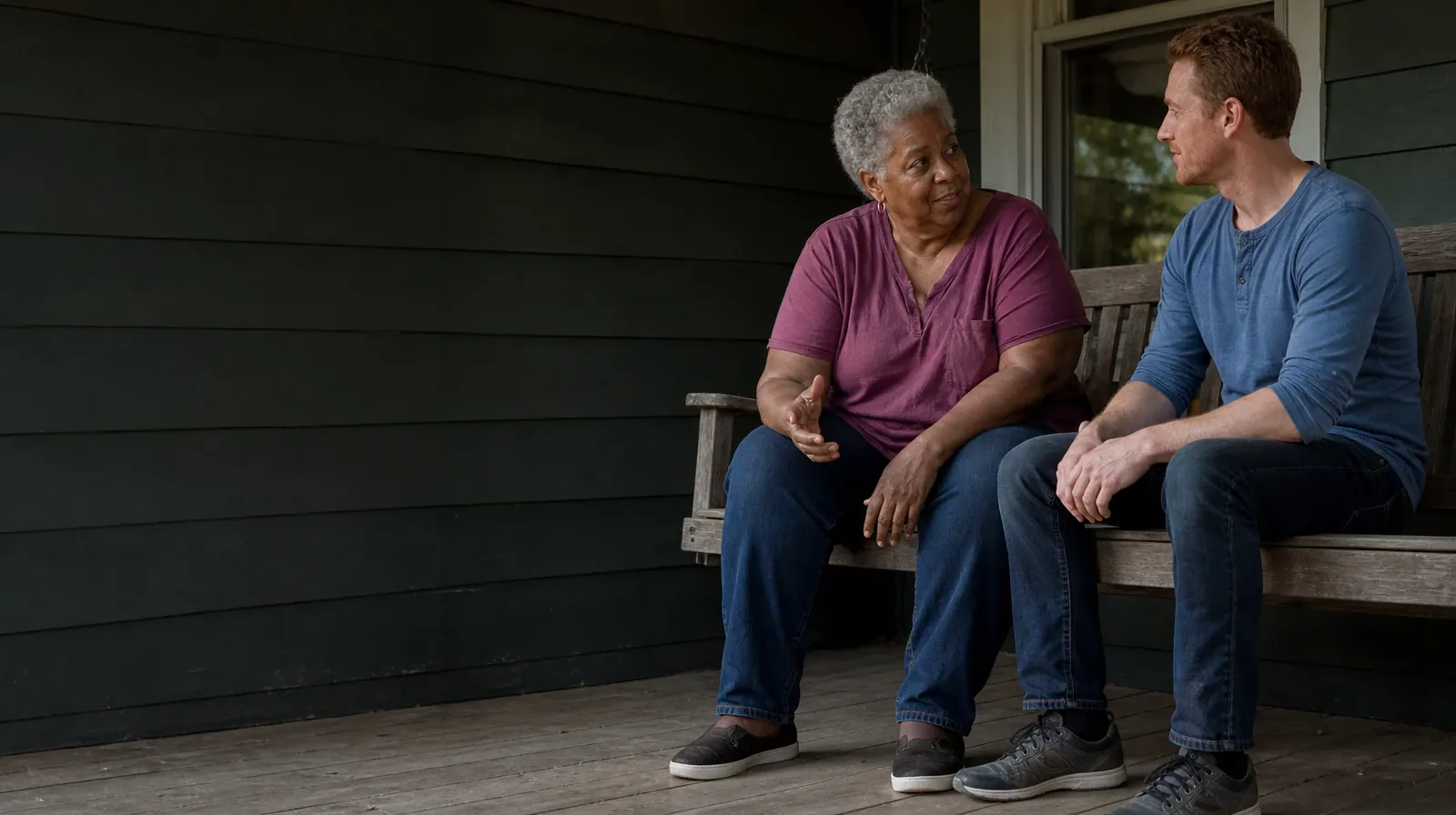
If you're worried about a loved one, kindness and patience matter more than finding perfect words. Listening without judgment leaves room for their experience. Seeking help may take more than one conversation, and respecting their wish not to talk doesn't mean you have to stop caring or withdraw your support.
Sources
- Keep the first step small: One concern is enough to begin; you don't have to share your whole history at once.
- Leave room for readiness: A loved one's support can remain steady while respecting another adult's pace and personal choices.
Your next step
Calling about an adult treatment assessment from Opa-locka, FL
An informational call is a way to understand care, not a decision to enter treatment. After reviewing adult treatment resources for Opa-locka and addiction care information for the Miami area, you can speak with Florida Helps admissions about its adult detox and residential treatment options.
Planning a Treatment Assessment for Opa-locka, FL Residents starts with understanding what kind of help is being considered. You can call even if you haven't decided whether treatment is the next step. Learning about adult detox and residential care gives you something more concrete than trying to make the entire decision alone.
Florida Helps handles admissions by phone. Whether you're considering care for yourself or gathering information for someone you love, a call gives you a direct place to begin. Call (866) 931-9677 to talk about adult drug and alcohol treatment, and take the next decision one step at a time.
Sources
- Keep your choice: An informational call lets you learn about treatment without deciding today that you'll enter a program.
- Take one direct step: Phone admissions connects your interest in help with information about Florida Helps' adult addiction care options.
Straight answers, without pressure
Questions people often ask
You can read what feels useful and bring the rest into a private conversation.
Do I need to know which treatment I need before calling?
No. You can begin with uncertainty about drug or alcohol use and what kind of help makes sense. An assessment is meant to help clarify care needs, not test your knowledge of treatment. Florida Helps offers adult detox and residential addiction treatment, and admissions starts by phone.
What is the difference between detox and residential treatment?
Detox focuses on the beginning of care as a person stops using drugs or alcohol. Residential treatment means staying in a treatment setting for ongoing addiction care. They serve different purposes. The appropriate starting point depends on individual needs, rather than simply choosing the option that sounds more intensive.
Can I call if I'm concerned about another adult?
Yes. A loved one can call Florida Helps for information about adult drug and alcohol treatment. You don't have to persuade someone to enter care to seek information yourself. Listening without judgment and respecting their readiness can help you remain supportive while leaving their decisions in their hands.
Does Florida Helps provide mental health treatment on its own?
Florida Helps provides co-occurring mental health support within adult drug and alcohol detox and residential addiction care, not standalone psychiatric admissions. If both substance use and emotional concerns are part of what's happening, that combined context matters when considering addiction treatment and the kind of support you need.
Educational information for adults and loved ones. A qualified professional can help apply it to your health and circumstances. Editorial oversight: Tim Francis.