
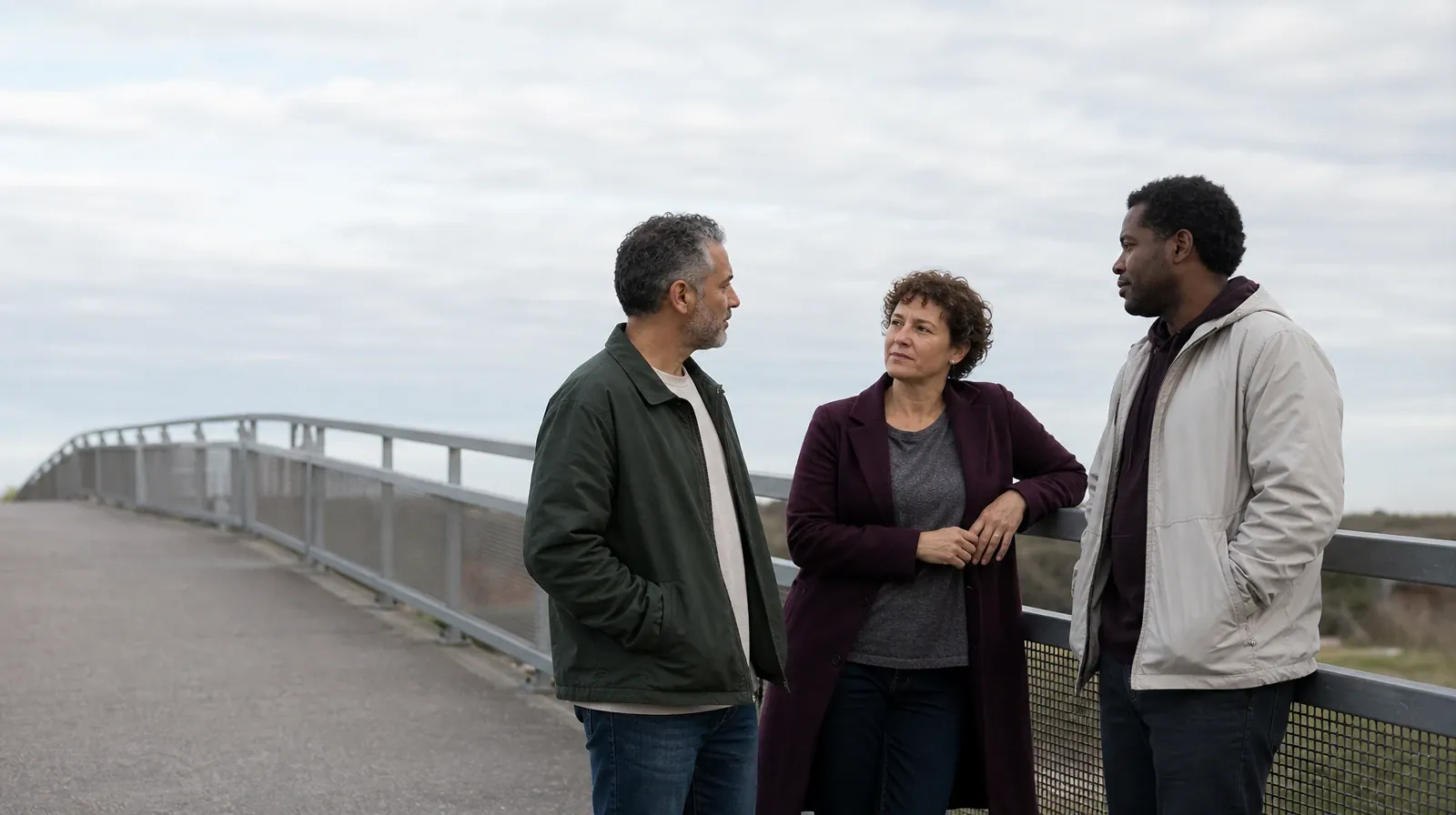
Listen with care
Supporting an Adult Loved One in Parkland, FL Starts With Listening
Start by making room for your loved one's experience. For Parkland families considering addiction support and those exploring Broward County addiction care options, listening without judgment matters. You can express concern with kindness while leaving space for an adult to describe what they need and what they want to change.
When you're worried, it's natural to want an immediate answer. A supportive conversation doesn't have to settle everything. A calm, private setting can make it easier to talk, and listening can help you understand more than pressing for a decision. The first useful step may simply be hearing each other.
Support doesn't mean taking control of another adult's choices. You can care deeply, explain your concern, and offer practical help connecting with treatment. Your loved one may need more than one conversation. Keeping your approach respectful allows you to remain supportive without making every exchange a test of their readiness.
Sources
- Lead with listening: Give your loved one room to speak without turning the conversation into an argument about treatment.
- Choose a calm moment: A private, unhurried conversation gives both of you space to focus on what matters now.
Understand treatment
Helping an Adult Loved One Seek Addiction Care from Parkland, FL: Understand the Options
Understanding the options can make treatment feel less abstract. Adults exploring addiction care from Parkland or treatment resources for Broward County residents can consider Florida Helps alongside independent public resources. Florida Helps offers adult drug and alcohol detox and residential addiction treatment at 3600 Red Road, Suite 501-A, Miramar, FL 33025.
Detox and residential treatment serve different parts of addiction care. Detox focuses on the beginning of care around stopping alcohol or drug use. Residential treatment means staying in a treatment setting, with time and space devoted to addiction care. Understanding that difference can help you see what each option is intended to address.
Broward County also publishes official addiction recovery information for adults affected by substance use or co-occurring concerns. This is a separate public resource, not a Florida Helps program. Having more than one starting point lets your loved one consider care without feeling that one conversation has already decided their direction.
Sources
- Understand the care: Adult detox and residential treatment offer different ways to begin addressing alcohol or drug use.
- Know another resource: Broward County's addiction recovery information gives residents another public starting point for learning about support.
Respect adult choices
Supporting an Adult Loved One in Parkland, FL While Respecting Their Choices
Your loved one's voice belongs at the center of decisions about care. Whether you're considering adult addiction treatment from Parkland or learning about Broward County substance use support, you can offer information and encouragement without trying to decide everything for them. Respect and practical support can exist together.
If your loved one doesn't want to talk, respecting that boundary doesn't mean you no longer care. You can stay available and return to the subject when they're willing. SAMHSA's family guidance recognizes that seeking help may take patience and more than one conversation, rather than a single decisive moment.
You also don't need to prove a diagnosis to take your concern seriously. Focus on the effect alcohol or drug use appears to have on everyday life, while allowing your loved one to share their perspective. Treatment information can be offered as an option, not used as a demand or a verdict.
Sources
- Leave room for time: Respecting a pause can leave room for a more open conversation when your loved one is ready.
- Support their agency: Offer help connecting with treatment while keeping your loved one's preferences central to the decision.
Make support practical
Supporting an Adult Loved One in Parkland, FL With Practical Help
A small, specific offer of support can be easier to receive than pressure to change everything. For families exploring Parkland addiction treatment information and Broward County care resources, practical help might mean finding treatment information together. A calm approach keeps the focus on connection rather than winning an argument.
Kindness doesn't require pretending that nothing is wrong. You can acknowledge your concern while listening to what your loved one finds difficult. Leave room for uncertainty or mixed feelings. A conversation can still be worthwhile even when it ends without a decision, especially if your loved one feels heard rather than judged.
Substance use problems are treatable, and help connecting with care can be meaningful. Keep that reassurance grounded in the next manageable step, rather than promises about the future. Looking at adult detox or residential care together can make an unfamiliar option easier to understand without requiring an immediate commitment to enter treatment.
Sources
- Keep help specific: Offer one manageable form of practical support instead of trying to resolve every concern at once.
- Keep hope realistic: Reassure your loved one that treatment exists without promising a particular result or demanding immediate action.
Talk about care
Helping an Adult Loved One Seek Addiction Care from Parkland, FL: Take One Step
An informational call can turn a broad worry into a clearer understanding of care. If you're exploring Florida Helps care for Parkland residents or adult addiction care for Broward County residents, phone admissions is the starting point. You can learn about detox and residential treatment without deciding on enrollment during that conversation.
You don't need to organize every detail of your loved one's experience to seek basic information. Start with what is happening now. The purpose of an initial call is to begin a conversation about care, not to demonstrate that you already understand treatment or have settled every concern within your family.
Supporting an Adult Loved One for Parkland, FL Residents can begin with a simple step toward understanding help. Florida Helps offers adult detox and residential addiction care when treatment is being considered. Call (866) 931-9677 to talk about those options and make space for an informed next decision.
Sources
- Begin with information: Use a phone conversation to understand the care options, rather than trying to solve everything alone.
- Keep the next step manageable: Learning about treatment is a step you can take while your loved one considers their choices.
Straight answers, without pressure
Questions people often ask
You can read what feels useful and bring the rest into a private conversation.
What if my loved one isn't ready to talk about treatment?
Respect their wish to pause and stay available. Listening without judgment can leave room for another conversation later. It may take time for someone to consider help. You can care about their well-being without turning each interaction into a discussion about alcohol, drugs, or treatment.
Can I contact Florida Helps as a concerned family member?
You can call Florida Helps for information about its adult drug and alcohol detox and residential treatment. A call gives you a starting point for understanding those options. You don't have to make a treatment decision for your loved one or have their whole story worked out.
What care does Florida Helps offer adults?
Florida Helps offers adult drug and alcohol detox and residential addiction treatment. Detox addresses the beginning of care around stopping substance use, while residential treatment provides a place to focus on addiction care. Co-occurring mental health support sits within that addiction care, rather than separate psychiatric admissions.
Are there public addiction recovery resources for Broward residents?
Yes. Broward County publishes information about addiction recovery resources for adults affected by substance use or co-occurring concerns. That offers another public starting point for you or your loved one. County resources are separate from Florida Helps, so they represent a different option for learning about support.
Educational information for adults and loved ones. A qualified professional can help apply it to your health and circumstances. Editorial oversight: Tim Francis.