
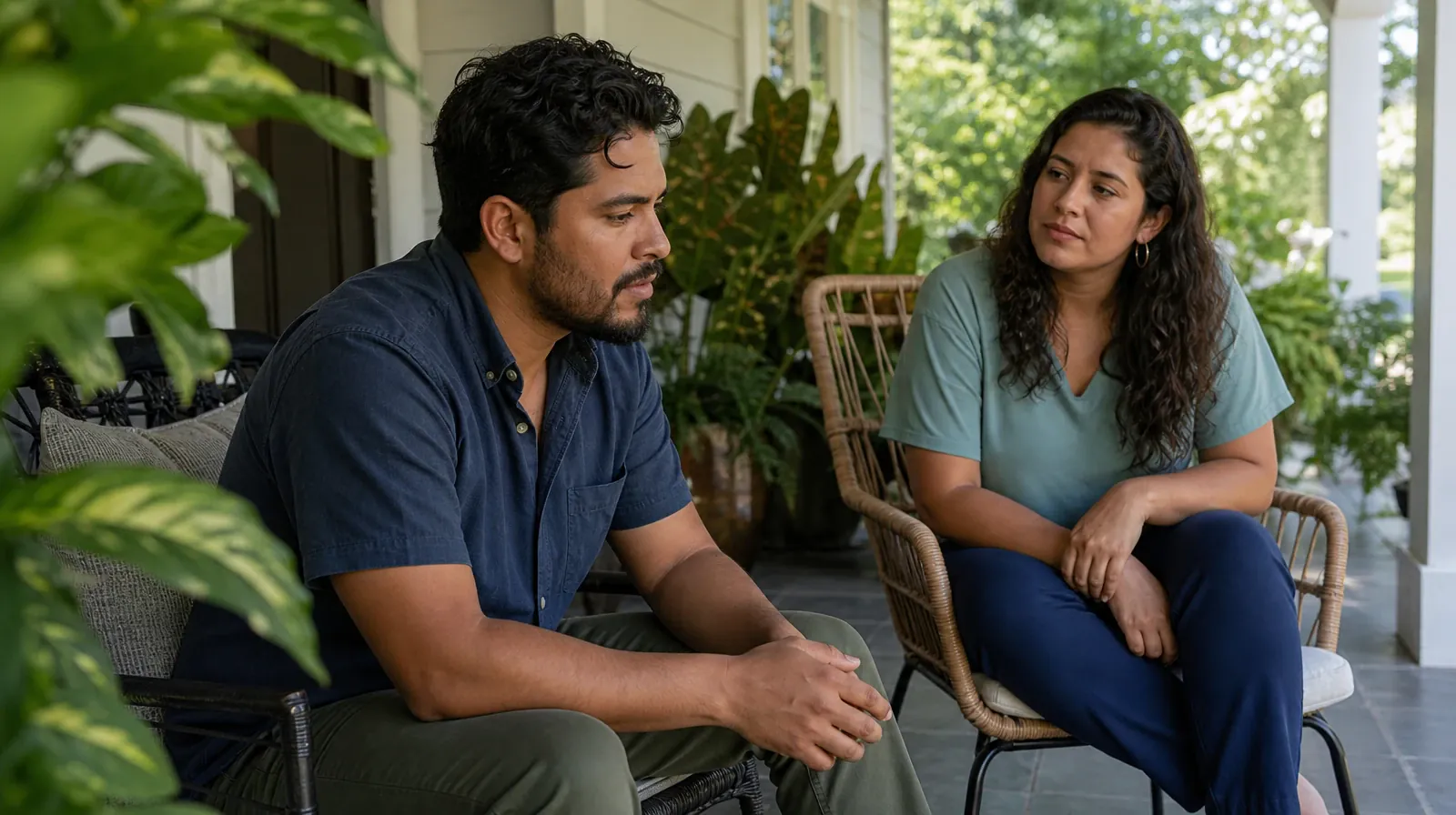
Recognize the concern
Holiday boundaries for Vyvanse use in South Florida
Holidays can bring family expectations, shared plans, and uncomfortable questions about medication. Learn about Vyvanse and Florida Helps adult treatment programs to understand the topic and available care. You can set a limit without deciding what someone’s behavior means or making the gathering a confrontation.
A boundary describes what you will do, not what another person must admit. You might choose not to discuss someone else’s prescription at dinner, or decide to leave a conversation that becomes hostile. Keeping the focus on your own choices can make a hard moment more manageable while leaving room for a calmer conversation later.
Prescription medicines used differently than directed can be part of substance misuse, but a family disagreement by itself does not establish misuse or a diagnosis. People respond differently, too. If the concern extends beyond holiday tension, professional assessment can help clarify the situation and the support that may fit.
Sources
- Set a limit: Keep the boundary about your own participation, comfort, and next steps.
- Avoid assumptions: A holiday concern alone cannot determine whether someone has a substance use disorder.
Separate limits from care
Vyvanse boundaries and treatment decisions in South Florida
A personal boundary can make a gathering feel more manageable; it is not a treatment plan. Read about Vyvanse and see Florida Helps’ adult care options for context. If worries continue outside the holidays, a professional assessment can help distinguish a temporary conflict from a concern that needs more support.
It may help to separate what you can control from what you cannot. You can decide what conversations you will join, what behavior you will accept in your home, or when you need space. You cannot make a loved one agree with your interpretation. Respectful limits can protect your own well-being without turning uncertainty into an accusation.
Treatment decisions depend on the person’s circumstances and needs. Florida Helps provides adult drug and alcohol detox and residential addiction treatment in Miramar, Florida, with co-occurring support within those programs. These are options to discuss when substance use concerns need more than a holiday boundary; the right next step calls for individual assessment.
Sources
- Know the difference: Boundaries guide your actions; a clinician assesses concerns and care needs.
- Understand the care: Adult detox and residential care are the programs Florida Helps provides in Miramar.
Choose a practical boundary
Practical holiday limits around Vyvanse in South Florida
Useful holiday limits are simple enough to follow when emotions run high. Get information about Vyvanse and review adult treatment options as separate resources: one offers topic context, and the other describes Florida Helps care. Choose limits that reflect your needs rather than trying to control another adult’s decisions.
Think about the setting that feels difficult and the part you can change. You might choose a shorter visit, avoid discussing medication in front of relatives, or step away if a conversation turns disrespectful. These are examples of personal limits, not instructions for managing someone else’s medication or deciding whether they need treatment.
When a prescription is involved, avoid changing how it is taken or making medication decisions on someone else’s behalf. Concerns about prescribed use belong with the prescribing clinician. If your worry is broader or persistent, an individual professional assessment can help establish what is going on and whether treatment is appropriate.
Sources
- Make it workable: Pick a limit you can carry out yourself, such as pausing or leaving a conversation.
- Respect medical care: Keep prescription questions with the prescribing clinician, not the holiday table.
Support a loved one
Family support and Vyvanse concerns in South Florida
You can care about someone and still set limits on what you will accept. Explore information about Vyvanse and Florida Helps’ adult programs to see the difference between understanding a concern and seeking treatment. If substance use is affecting daily life, support can begin with an individualized professional assessment.
A loved one’s concern may be important, but it cannot diagnose another person. Try to keep your focus on specific effects you have noticed and on what support you can offer without taking over. Boundaries can protect your own safety and emotional space while leaving the other adult responsible for their choices.
When adult substance use treatment is needed, care should reflect the person’s substance use patterns and medical, mental health, and social needs. Florida Helps offers adult drug and alcohol detox and residential addiction treatment in Miramar, with co-occurring support within those programs. Detox and withdrawal management are not the same as ongoing treatment, so planning what follows matters.
Sources
- Support with respect: Offer care without taking responsibility for another adult’s decisions.
- Consider the next stage: Treatment planning should reflect individual needs, including what follows detox.
Consider a next step
Talk about holiday Vyvanse concerns in South Florida
You do not need to settle every question before seeking information. Read about Vyvanse concerns and Florida Helps adult treatment, then call if you want to discuss care for yourself or a loved one. A phone conversation is a straightforward way to learn what adult detox and residential treatment involve.
Florida Helps provides adult drug and alcohol detox and residential addiction treatment at its facility in Miramar, Florida. Co-occurring support is part of those programs. A call can connect you with admissions to discuss the concern and get information about adult care. It does not require you to presume a diagnosis or decide on treatment before learning more.
If you’re in South Florida and holiday conversations have brought a concern into focus, you can call admissions at (866) 931-9677. You can talk through the situation and learn about the adult programs. Getting information can be a useful next step for you or someone you care about.
Sources
- Get information: A phone conversation can help you understand adult treatment options.
- Talk with admissions: Call admissions at (866) 931-9677 to discuss care with Florida Helps.
Straight answers, without pressure
Questions people often ask
You can read what feels useful and bring the rest into a private conversation.
Does needing boundaries around Vyvanse mean someone has a substance use disorder?
No. A concern about medication use or holiday pressure does not establish a diagnosis. People respond differently, and substance use concerns vary in severity. A professional assessment is needed to understand what is happening and what support may fit. You can call Florida Helps to discuss adult care options.
What if Vyvanse is prescribed?
A boundary can support using prescription medicine as directed without making assumptions about the person taking it. If you have concerns about a prescription, contact the prescribing clinician for guidance. Florida Helps provides adult drug and alcohol detox and residential addiction treatment in Miramar, Florida.
What treatment does Florida Helps provide?
Florida Helps provides adult drug and alcohol detox and residential drug and alcohol addiction treatment in Miramar, Florida. Co-occurring support is available within those programs. A phone conversation can help you discuss the concern and learn about adult care options; it cannot determine a diagnosis or guarantee a particular fit.
Can a family member call about someone they care about?
Yes. A concerned loved one can call Florida Helps to talk about adult care options. You can describe the concern in your own words and get information about the programs. The conversation can be a first step without assuming the person has a diagnosis or has decided to enter treatment.
Educational information for adults and loved ones. A qualified professional can help apply it to your health and circumstances. Editorial oversight: Tim Francis.