
Ongoing support
Alcohol recovery and returning home in South Florida
Returning home is a transition, not proof that every challenge has passed. Learn about alcohol use and treatment and explore Florida Helps adult treatment programs as you consider what support may fit next. A steady plan can help make the move from treatment into everyday life feel less overwhelming.
Alcohol treatment can involve different kinds of support, and there isn’t one approach that fits everyone. A health professional can consider drinking patterns, overall health, and treatment preferences when discussing next steps. That individual attention matters because your needs may not match another person’s, even if your situations look similar.
Detoxification and withdrawal management are not the same as ongoing treatment, so it helps to think about what comes after an initial level of care. Returning home after treatment for alcohol use in South Florida may involve reconnecting with routines while keeping appropriate support in view. The plan should reflect the person’s circumstances, not a fixed timetable.
Sources
- Make the next step personal: Treatment needs differ; an individualized plan can account for health, drinking patterns, and personal circumstances.
- Look beyond the first phase: Planning beyond detox can help connect an initial phase of care with ongoing recovery support.
Individual needs
Different alcohol recovery needs after returning home
There’s no single experience of returning home after alcohol treatment. Read about alcohol treatment and see the adult care Florida Helps offers to understand the available treatment context. Your needs may shift with daily life, and the right support depends on your circumstances and professional assessment.
Alcohol use disorder is a medical condition, not a character flaw. Treatment choices are not one-size-fits-all, and a person’s response to alcohol or recovery can’t be predicted from someone else’s experience. If the transition feels uneven, that alone doesn’t define what care is needed; individual circumstances matter.
Alcohol treatment may include behavioral care, medication discussed with a health professional, or mutual support. These are general options, not a list of services promised at every facility. Florida Helps provides adult drug and alcohol detox and residential addiction treatment in Miramar, with co-occurring support only within those programs.
Sources
- Let go of blame: A difficult adjustment isn’t a character flaw; needs and treatment choices vary from person to person.
- Consider individual needs: Professional guidance can help connect the person’s circumstances with an appropriate next step.
Everyday routines
Daily structure during South Florida alcohol recovery
A return to ordinary routines can feel easier to manage when the day has some shape and support. Explore alcohol-related care and review Florida Helps treatment programs for context about adult care. A workable routine should fit real life rather than add pressure to get everything right.
Daily structure can mean making space for responsibilities, rest, supportive relationships, and the next steps in care. Behavioral alcohol treatment can involve building support, setting reachable goals, and learning skills for situations linked to drinking. Those are general treatment approaches; they don’t establish that a particular therapy is offered at Florida Helps.
When returning home after treatment for alcohol use in South Florida, it may help to notice which parts of daily life feel steady and which feel harder to navigate. You don’t need to treat every difficult moment as a verdict on recovery. A professional can help consider the person’s health, preferences, and current needs.
Sources
- Keep plans realistic: Reachable goals and supportive routines can make everyday expectations feel more manageable.
- Understand treatment options: Behavioral care may address situations linked to drinking, but specific approaches depend on the provider.
For loved ones
Supporting a loved one returning home after alcohol treatment
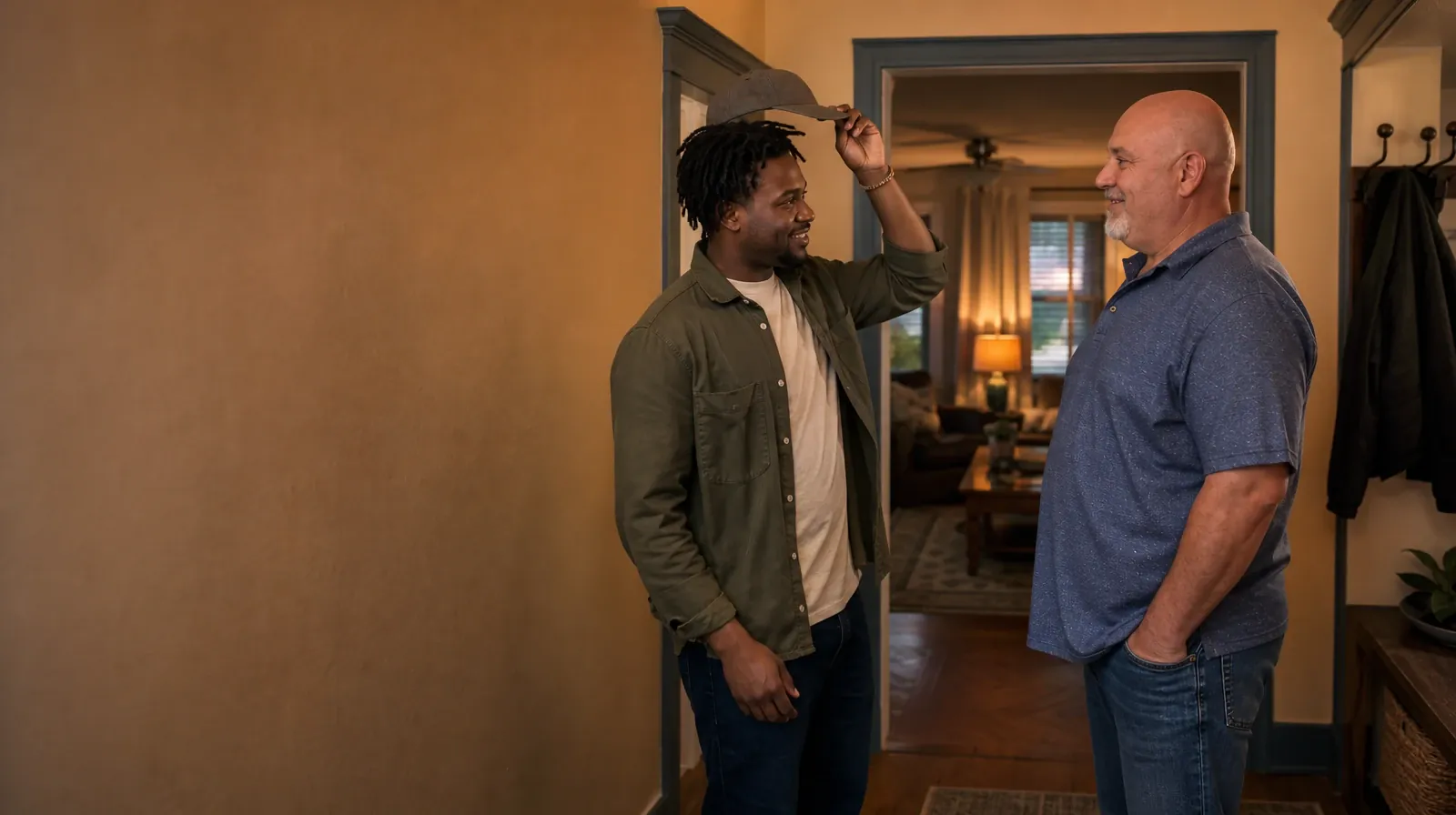
You can care about someone’s recovery while respecting that they’re an adult with their own choices. Learn about alcohol treatment needs and explore Florida Helps adult programs to understand the care context. Calm, steady support can help preserve connection without making you responsible for another person’s recovery.
Returning home after treatment for alcohol use in South Florida can affect loved ones too. You may feel hopeful, worried, or unsure how to be helpful. Try to stay present without assuming you know exactly what the person needs. People respond differently, and their recovery needs call for individual attention.
Support can include listening, showing respect, and being clear about the help you’re able to offer. It can also mean recognizing that a loved one’s treatment decisions belong to them. Alcohol use disorder is a medical condition, not a character flaw; blame or shame doesn’t explain the person’s needs or determine what care may fit.
Sources
- Offer support without taking over: A respectful relationship can leave room for care, boundaries, and the adult’s own decisions.
- Make room for differences: Recovery needs differ, so avoid treating another person’s experience as a prediction.
Choosing a next step
Choosing adult alcohol treatment in South Florida
If you’re weighing what to do next, a conversation can help make the available level of care clearer. Review alcohol treatment information and see Florida Helps adult programs before you decide what may fit. You don’t have to settle every question before reaching out.
Florida Helps has one treatment facility in Miramar, Florida, offering adult drug and alcohol detox and residential addiction treatment. Co-occurring support is available only within those programs. If you’re in South Florida and considering alcohol treatment, the facility’s actual location is Miramar; South Florida describes the region, not another treatment site.
A call can help you talk through the concern and understand the adult care Florida Helps offers. Treatment needs and fit depend on the individual, so the conversation is a starting point, not a promise of admission or a particular outcome. If you’re ready to discuss treatment, call admissions at (866) 931-9677.
Sources
- Know the treatment location: Florida Helps provides adult detox and residential addiction treatment at its facility in Miramar.
- Talk through treatment: A direct admissions call can help you understand the available care and consider a next step.
Straight answers, without pressure
Questions people often ask
You can read what feels useful and bring the rest into a private conversation.
Does returning home mean treatment is finished?
Not necessarily. Detox and withdrawal management are different from ongoing treatment, so planning what follows matters. The right next step depends on the person’s needs and circumstances. Florida Helps provides adult drug and alcohol detox and residential addiction treatment in Miramar; call to discuss the care available and whether it may fit.
What can make the transition home feel difficult?
Home brings familiar routines, relationships, and situations that may feel connected to drinking. People also have different needs and respond differently, so one person’s experience can’t predict another’s. A flexible plan can help you focus on the support and daily structure that make sense for your circumstances.
How can family members support an adult returning home?
You can offer steady, respectful support without taking over an adult’s choices. Listening, being clear about the help you can offer, and keeping communication open may make it easier to stay connected. Recovery needs differ, so the person’s next steps should reflect their own circumstances and professional guidance.
Can Florida Helps help me consider treatment?
Florida Helps offers adult drug and alcohol detox and residential addiction treatment in Miramar, with co-occurring support within those programs. A phone conversation can help you understand the care and discuss whether it may fit the concern. Call admissions at (866) 931-9677 to talk about next steps.
Educational information for adults and loved ones. A qualified professional can help apply it to your health and circumstances. Editorial oversight: Tim Francis.