
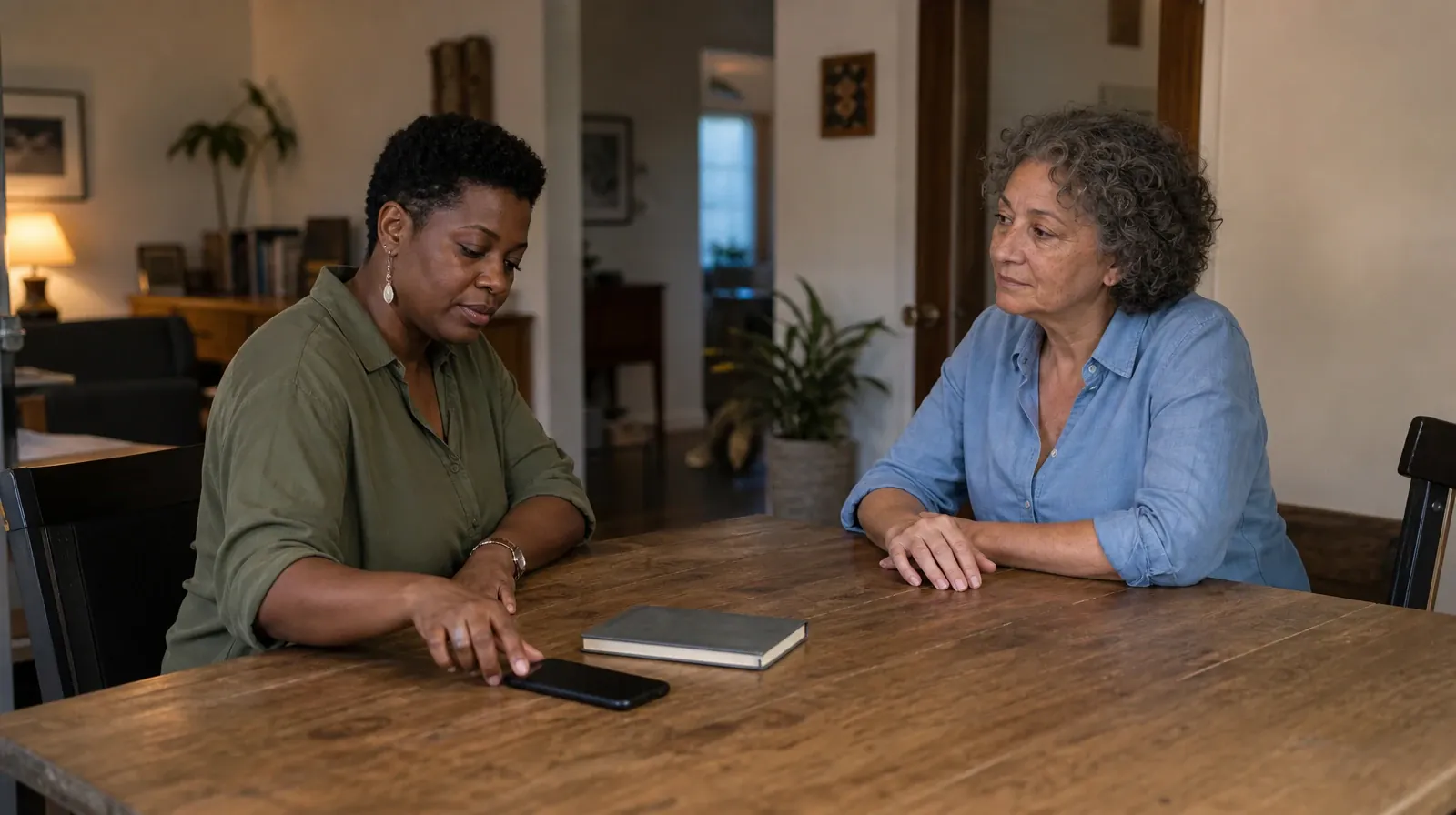
Talking with a clinician
What to tell a clinician about barbiturate use in South Florida
Start with what you know about the substance and how it was used. The barbiturates guide provides context about the substance, while the adult treatment programs page describes Florida Helps’ care. What to Tell a Clinician About Barbiturates Use in South Florida can feel like a lot to organize, but you can begin with a few clear details.
Describe the barbiturate if you know its name, whether it was prescribed, and how it was taken. Include what you know about the amount and timing, and whether use has changed. If some details are uncertain, say so. A clinician can assess your situation; you don’t have to diagnose yourself or decide what the information means.
Also explain what led you to seek help now. You might have noticed a change in your routines, responsibilities, or relationships, or you may simply feel concerned about your use. Substance use affects people differently, so another person’s experience can’t determine your risk or care needs. Talking with a clinician about barbiturate use in South Florida can begin with what you’ve observed.
Sources
- Start with the basics: Share what you know about the substance, how you took it, and what has changed.
- You don’t need perfect answers: It’s okay to say when you’re unsure; a professional can assess the details with you.
Other substances and health
Other substances and health concerns to mention in South Florida
Include other substances and health concerns when you speak with a clinician. The barbiturates information offers substance context, and the program overview explains Florida Helps’ adult care. Sharing barbiturate use concerns with a clinician in South Florida can help the professional understand the wider picture and assess your individual needs.
Mention alcohol, prescription medicines, over-the-counter medicines, or other substances used around the same time. Include any health concerns or changes you think may be relevant. Substance misuse can involve medicines taken differently from directions, as well as illegal drugs. You don’t need to decide whether a particular detail is important before sharing it.
People respond differently to substances, and care needs vary. A professional assessment considers the person’s circumstances rather than relying on a general rule or someone else’s experience. What to Tell a Clinician About Barbiturates Use in South Florida includes these wider concerns because they can help a clinician understand the situation and consider appropriate next steps.
Sources
- Give the wider picture: Include alcohol, medicines, other substances, and health concerns you know about.
- Care is personal: An individualized professional assessment—not a website—can help clarify care needs.
Daily life and past care
Daily life and previous care when discussing barbiturates
Changes in daily life and past care can help a clinician understand what support may be useful. Read the barbiturates guide for substance information and the adult programs overview for Florida Helps’ care options. Talking with a clinician about barbiturate use in South Florida can include what has been difficult and what support you’ve already tried.
Describe any ways substance use has affected your sleep, responsibilities, relationships, or day-to-day routines, if those changes apply to you. You can also mention what has stayed difficult and what you hope will change. This is not a test, and you don’t need to present a complete account to deserve a professional assessment.
If you’ve had treatment or other support before, share what you remember about it and what happened afterward. Treatment can be tailored to a person’s substance use patterns and medical, mental health, and social needs. Detox and withdrawal management are not the same as ongoing treatment, so it can be useful to discuss what care may follow.
Sources
- Talk about daily life: Describe relevant changes in routines, relationships, and responsibilities.
- Include previous support: Past care can help a clinician understand your experience and what may come next.
For loved ones
How loved ones can share barbiturate concerns in South Florida
If you’re worried about an adult you care about, you can share what you’ve observed without trying to diagnose them. The barbiturates guide offers general substance information, and the programs page describes adult treatment at Florida Helps. A calm, private conversation can make it easier to discuss concerns and practical support.
Focus on specific changes you’ve noticed, such as shifts in routines or responsibilities, rather than labels or blame. Listen without judgment and leave room for the adult to describe their own experience. A difficult conversation may feel uncomfortable, but you can offer to help connect your loved one with professional care while respecting their choices.
You can also speak with a clinician about your concerns, while understanding that your loved one’s care needs require an individual assessment. Florida Helps provides adult drug and alcohol detox and residential addiction treatment in Miramar, Florida. What to Tell a Clinician About Barbiturates Use in South Florida may help you prepare to describe the concern, without assuming what care another person needs.
Sources
- Keep the conversation respectful: Share observations calmly and listen without judgment or blame.
- Offer a next step: Practical help connecting with adult treatment can support a loved one.
Discussing adult care
Discuss adult detox and residential care in South Florida
If you’re considering treatment, one phone conversation can help you understand Florida Helps’ adult care. The barbiturates information explains the topic, and the adult programs page describes detox and residential treatment. You can call to discuss what’s happening and whether the programs may fit the concern.
Florida Helps offers adult drug and alcohol detox and residential addiction treatment at its facility in Miramar, Florida. Co-occurring support is available within those programs. These levels of care provide a way to discuss substance use concerns in a treatment setting; a professional assessment is needed to understand an individual’s needs and appropriate care.
You don’t need to wait until you have every detail organized to reach out. Call Florida Helps admissions at (866) 931-9677 to discuss adult care. Talking with a clinician about barbiturate use in South Florida starts with sharing the situation as you understand it and deciding what comes next.
Sources
- Understand the care: Florida Helps offers adult detox and residential addiction treatment in Miramar.
- Talk with admissions: A direct call can help you discuss the concern and possible next steps.
Straight answers, without pressure
Questions people often ask
You can read what feels useful and bring the rest into a private conversation.
What should I tell a clinician about barbiturate use?
Share what you know about the barbiturate, how it was taken, and what has changed. Include other substances or health concerns, changes in daily life, and any past care. You don’t need to have every detail ready. A clinician can assess your situation and determine what information matters for your care.
Should I mention alcohol or other substances?
Yes. Tell the clinician about alcohol, medicines, or other substances used alongside barbiturates, as well as any health concerns. Care needs differ from person to person, and a professional assessment helps clarify the situation. If you’re unsure about a detail, share what you do know rather than trying to work it out alone.
Can a family member share concerns with a clinician?
A loved one can share observations about changes they’ve noticed, while respecting the adult’s choices and privacy. A calm, private conversation and listening without judgment can make a difficult discussion easier. If you’re concerned about someone, practical support connecting with treatment can be helpful.
What care does Florida Helps offer?
Florida Helps offers adult drug and alcohol detox and residential addiction treatment at its facility in Miramar, Florida. Co-occurring support is available within those programs. A call can help you understand the care and discuss whether it may fit the situation. A clinician must assess individual needs.
Educational information for adults and loved ones. A qualified professional can help apply it to your health and circumstances. Editorial oversight: Tim Francis.