
Understanding assessment
What a GHB assessment in South Florida can help clarify
A medical assessment can build a fuller picture of GHB use, health concerns, and support needs. It isn’t just a label. Learn more about GHB use and its effects and explore adult treatment options to understand how an assessment can connect concerns with possible care.
A conversation about GHB may cover the pattern of use, what has changed, and how the situation affects everyday life. A clinician may also consider health concerns and what support could be appropriate. You don’t need to arrive with perfect recall. Sharing what you know, including what you’re unsure about, can help create a more useful picture.
Treatment can involve more than one type of care, depending on a person’s needs. Florida Helps provides adult drug and alcohol detox and residential addiction treatment in Miramar. Residential care means living at a treatment program; it differs from an overnight hospital stay. A call can help you understand these adult care options in relation to your concern.
Sources
- A fuller picture: The aim is to understand the person’s situation, not to reduce it to a label.
- Care options: Florida Helps offers adult detox and residential addiction treatment at its Miramar facility.
Patterns and effects
GHB assessment questions focus on patterns and effects
Questions about GHB use often help describe what is happening over time and how it affects the person. They can support a clearer discussion without assuming a diagnosis. Read about GHB and related concerns alongside adult care at Florida Helps for context about possible next steps.
The discussion may include how often GHB is used, changes in the pattern, and effects the person has noticed. It may also cover other substances or health concerns if they are relevant. These details help a clinician understand the broader situation; they are not a test of whether someone has used the “right” words.
Questions can also explore the kind of help that may fit. Treatment may include different types of care based on individual needs, and therapy or counseling may be one-to-one or in groups in treatment settings generally. Those general possibilities don’t establish a particular service at Florida Helps. Its adult program scope is detox and residential addiction treatment.
Sources
- Look at the whole situation: Patterns and effects offer context that a single detail may not capture.
- Care is individual: Possible types of care depend on individual needs and should be discussed with a professional.
When details are unclear
Uncertainty about GHB use in South Florida is okay to share
You can still have a useful GHB assessment when some details are unclear. Being honest about uncertainty gives a clinician a more accurate starting point than trying to fill in gaps. Explore information about GHB and Florida Helps adult programs as you consider what kind of support may make sense.
It’s common not to know an exact amount, date, or pattern. You can explain what you remember and what you don’t. An assessment can work with the information available and consider the person’s concerns and needs. There’s no need to turn uncertainty into a guess or to decide in advance what the answers mean.
If you’re considering treatment, Florida Helps provides adult drug and alcohol detox and residential addiction treatment in Miramar. A phone conversation can clarify the program’s scope and help you discuss whether those options relate to the concern. Asking about care does not commit you to treatment, and a call cannot determine clinical fit on its own.
Sources
- Start with what you know: Unclear details can be named plainly instead of guessed at.
- Discuss possible next steps: A call can help you understand the adult care options available at the Miramar facility.
For loved ones
How loved ones can support a GHB assessment
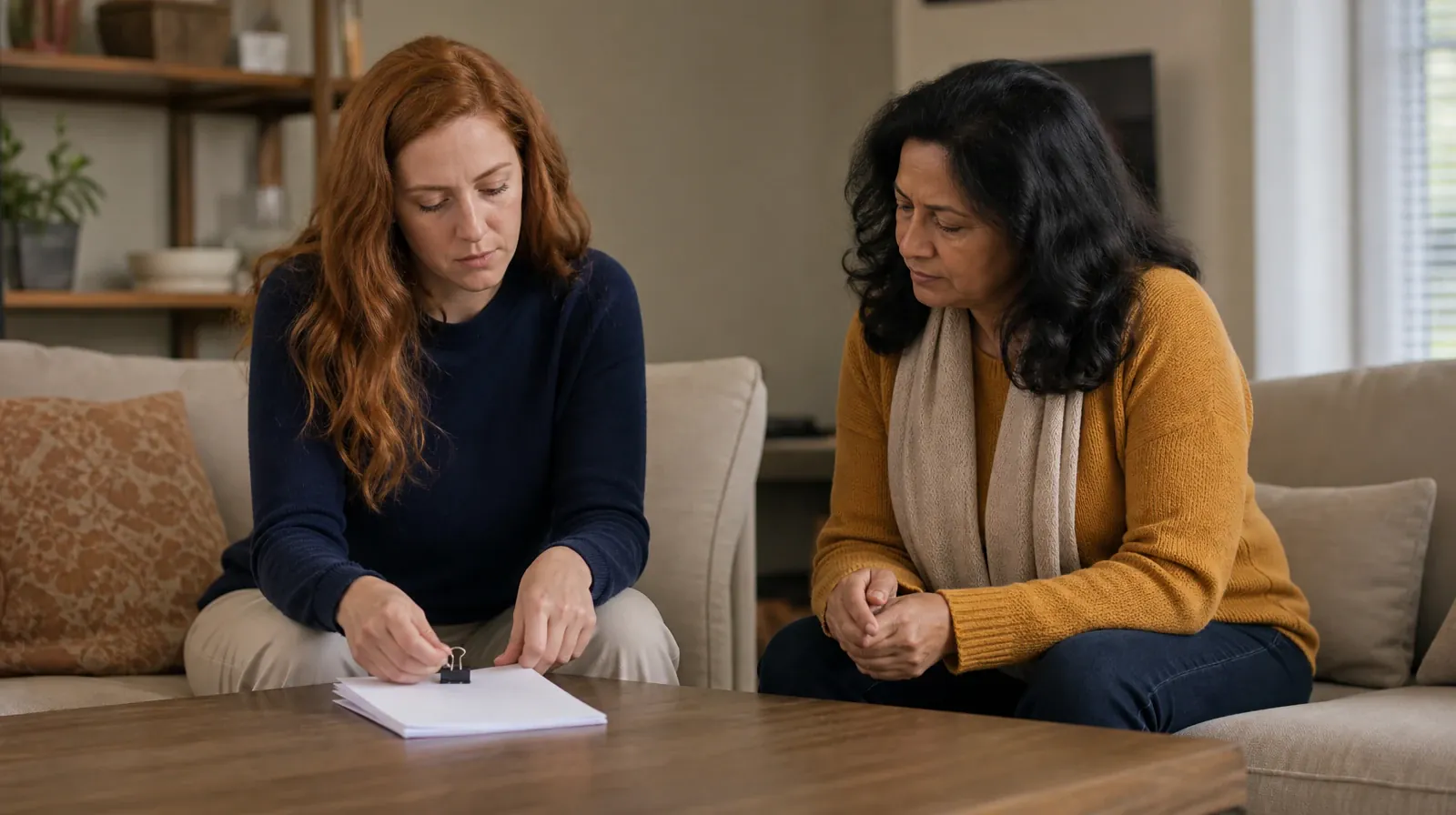
If you’re worried about an adult, direct observations can help explain why you’re concerned while leaving room for their perspective. Learn about GHB-related concerns and review adult treatment options to see how a conversation about care may begin.
You may have noticed changes in routines, relationships, or the person’s wellbeing. Sharing what you directly observed can add context, especially when the adult finds it hard to describe the situation. Keep the focus on specific concerns rather than trying to diagnose your loved one or speak for everything they feel.
The adult’s own experience matters too. An assessment is more useful when it considers their concerns and support needs, not only what others have noticed. If treatment becomes part of the discussion, Florida Helps provides adult detox and residential addiction treatment in Miramar. Co-occurring support is offered only within those adult addiction programs.
Sources
- Share what you notice: A loved one’s observations can add context without replacing the adult’s voice.
- Keep the person involved: Support can begin with a caring, direct conversation about the concern.
A possible next step
Discussing adult GHB care options in South Florida
When you’re ready to explore support, a private call can help you understand whether Florida Helps’ adult care options relate to the situation. Review GHB information and adult detox and residential treatment, then call admissions to discuss the concern and possible next steps.
Florida Helps provides adult drug and alcohol detox and residential addiction treatment at its facility in Miramar, Florida. These are the program options to discuss if GHB use has raised concerns. A call gives you a direct way to talk about the situation and learn about the care setting without assuming that treatment is the right choice.
Medical Assessment Questions About GHB Use in South Florida can feel like a lot to face, especially when you’re worried about someone you love. You don’t have to settle every question before reaching out. Call Florida Helps admissions at (866) 931-9677 for a private discussion about adult care.
Sources
- Get clear information: A conversation can help you understand the adult program options and their scope.
- Talk with Florida Helps: Call admissions to discuss GHB-related concerns and possible adult care.
Straight answers, without pressure
Questions people often ask
You can read what feels useful and bring the rest into a private conversation.
What might a medical assessment about GHB use cover?
A clinician may want to understand patterns of use, effects on daily life, health concerns, and what kind of support may help. Treatment can involve different types of care depending on a person’s needs. If you’re worried about GHB use, call Florida Helps to discuss its adult detox and residential addiction treatment.
What if I’m unsure how much GHB was used?
Uncertainty is still useful information. You can share what you know and explain what remains unclear; you don’t need a complete timeline to begin discussing support. A medical professional can consider the information available. Call Florida Helps to talk about its adult care options in Miramar.
Can a family member share concerns about an adult’s GHB use?
Yes. A loved one can describe direct observations and explain what has raised concern, while recognizing that the adult has their own perspective. This can help put the situation in context. Florida Helps offers adult drug and alcohol detox and residential addiction treatment in Miramar.
Does asking about GHB assessment mean I need treatment?
No. Looking for information doesn’t mean you have a diagnosis or have decided to enter care. An assessment is a way to understand concerns and possible needs. Call Florida Helps for a private discussion about whether its adult detox or residential addiction treatment may fit.
Educational information for adults and loved ones. A qualified professional can help apply it to your health and circumstances. Editorial oversight: Tim Francis.