
A caring place to begin
Supporting a partner with GHB use in South Florida starts with respect
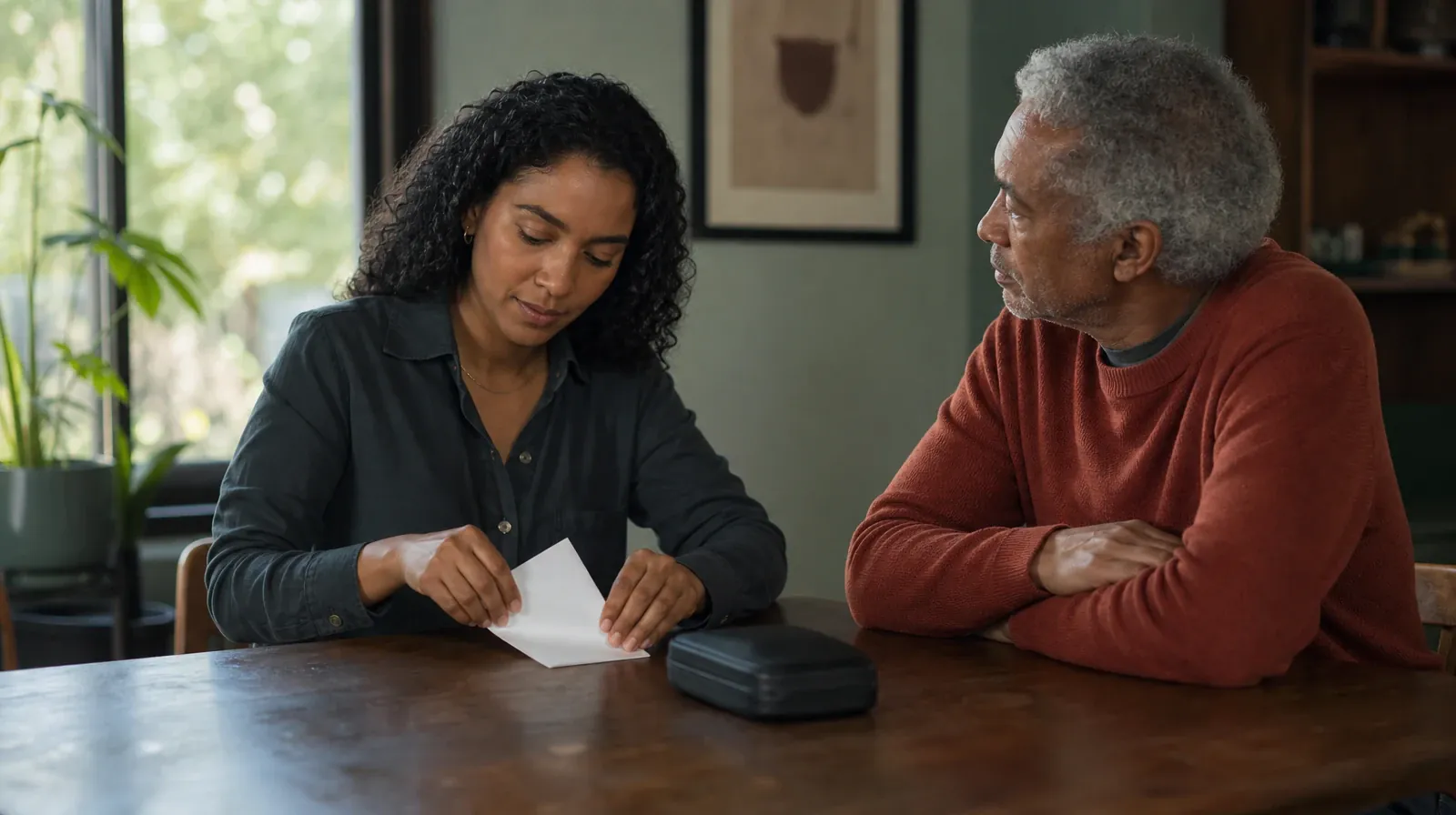
Support can begin with listening and speaking without blame. Learn about GHB use and Florida Helps adult treatment programs to understand the topic and the care available. You can express concern while respecting your partner’s choices. Caring about someone doesn’t mean you must manage their decisions or recovery.
Try to keep the conversation focused on what you’ve noticed and how it affects your relationship, rather than applying a label or arguing over blame. Your partner may respond differently than you hope. You can still be honest, calm, and caring. Respectful communication leaves room for them to consider support without making you responsible for their response.
It’s also reasonable to decide what support you can offer and where your limits are. You might be willing to talk, help find information, or accompany your partner to a conversation if they want that. You don’t have to take on responsibilities that leave you overwhelmed. A clear boundary can protect your wellbeing while keeping the door open.
Sources
- Lead with respect: Listen with care and speak about your concern without assigning a diagnosis or demanding a decision.
- Keep your limits: Choose support you can sustain, and remember that your partner remains responsible for their choices.
Understanding care
Understanding GHB use helps keep South Florida partner support nonjudgmental
GHB use can raise questions about what your partner needs, but you don’t have to answer them alone. Read about GHB and see the adult care Florida Helps offers for a clearer starting point. Keep the focus on your concern and on finding appropriate information, not on blame or assumptions.
Substance use treatment can involve more than one type of care, depending on a person’s needs. SAMHSA describes residential care as living at a treatment program; it distinguishes this from inpatient care, which generally involves staying overnight at a hospital or treatment program. These terms describe care settings, not a promise that one option fits every person.
Florida Helps provides adult drug and alcohol detox and residential addiction treatment in Miramar. Its established program scope doesn’t specify a GHB-only program. That distinction matters: your partner’s needs are personal, and a call can explain the care Florida Helps provides without assuming a particular service or outcome.
Sources
- Keep care individual: Treatment needs vary, so information about a general care setting isn’t a personal recommendation.
- Know the setting: Florida Helps provides adult detox and residential addiction treatment at its facility in Miramar.
Support without taking over
Practical South Florida support for a partner with GHB use
Practical support can make it easier to stay connected without taking over. Get information about GHB use and review Florida Helps’ adult treatment programs as you consider what support may be useful. You can share information, listen, and encourage professional care while allowing your partner to make their own decisions.
A partner may need time to think about treatment. You can offer a specific, manageable form of support, such as talking together or helping locate information, if that feels right to you. Avoid making promises on your partner’s behalf or trying to control what happens next. Support is most sustainable when it respects both people’s choices.
Your own wellbeing matters too. It can help to stay connected with people you trust and make space for your needs, even while you’re concerned about your partner. You don’t have to solve the situation alone. If you want to understand adult treatment options, Florida Helps can explain its detox and residential care by phone.
Sources
- Offer practical care: Offer help that respects your partner’s choice and feels manageable for you.
- Care for yourself: Keep your own support and wellbeing in view while you care about your partner.
Care depends on the person
South Florida GHB support and treatment depend on individual needs
People can need different types of care, and treatment may involve more than one approach. Explore GHB information and learn about Florida Helps adult treatment without assuming that one program fits everyone. Florida Helps provides adult drug and alcohol detox and residential addiction treatment; a conversation can help clarify that scope.
SAMHSA notes that therapy and counseling may take place one-to-one or in groups and commonly focus on healthier ways to cope and change patterns. Medication can be part of treatment for some substance use disorders and should be discussed with a qualified health professional. These general facts don’t establish a specific therapy or medication at Florida Helps.
Florida Helps provides adult detox and residential addiction treatment in Miramar, with co-occurring support within those programs. That care is for adults and isn’t a standalone mental health program. If you’re concerned about your partner, you can call to hear what the program includes and discuss whether it may be relevant to the situation.
Sources
- Separate information from fit: General treatment information doesn’t determine what care an individual needs or what a facility provides.
- Understand program scope: Florida Helps provides adult detox and residential addiction treatment, with co-occurring support within those programs.
A conversation, when you’re ready
A South Florida call about GHB support can be a first step
You don’t need to have every answer before reaching out. Learn about GHB use and Florida Helps adult care, then call if you want to discuss the treatment available. A phone conversation can give you clearer information without committing your partner to treatment or deciding their next step for them.
Florida Helps’ treatment facility is in Miramar, at 3600 Red Road, Suite 501-A, Miramar, FL 33025. It provides adult drug and alcohol detox and residential addiction treatment there. South Florida is a regional description, not a claim that facilities operate in other communities. Knowing the location and care scope can help you decide whether to continue the conversation.
If it would help to talk through your concern, call Florida Helps admissions at (866) 931-9677. You can get information about adult detox and residential addiction treatment and consider what makes sense next. You and your partner can make decisions at your own pace.
Sources
- One treatment location: The Miramar facility provides adult drug and alcohol detox and residential addiction treatment.
- Talk it through: Call Florida Helps admissions for information about the care offered and possible next steps.
Straight answers, without pressure
Questions people often ask
You can read what feels useful and bring the rest into a private conversation.
How can I support my partner without taking responsibility for their recovery?
You can care about your partner while being clear about what you can and can’t do. Offer respectful support, protect your own limits, and remember that treatment decisions belong to the person receiving care. If you’re considering treatment options, Florida Helps can discuss its adult detox and residential addiction treatment by phone.
Does Florida Helps provide treatment specifically for GHB use?
Florida Helps provides adult drug and alcohol detox and residential addiction treatment in Miramar. The program scope doesn’t establish a GHB-specific service or protocol. A call can help you understand the care offered and discuss whether it may fit the situation you’re concerned about.
Can I call Florida Helps if my partner isn’t ready to call?
Yes. You can call to discuss the adult detox and residential addiction treatment Florida Helps provides and what the next step may look like. A conversation doesn’t commit your partner to treatment. You can share your concern without making the decision for them.
Where is Florida Helps located?
Florida Helps has one treatment facility at 3600 Red Road, Suite 501-A, Miramar, Florida 33025. It provides adult drug and alcohol detox and residential addiction treatment there. South Florida describes the region, not a network of local facilities.
Educational information for adults and loved ones. A qualified professional can help apply it to your health and circumstances. Editorial oversight: Tim Francis.