
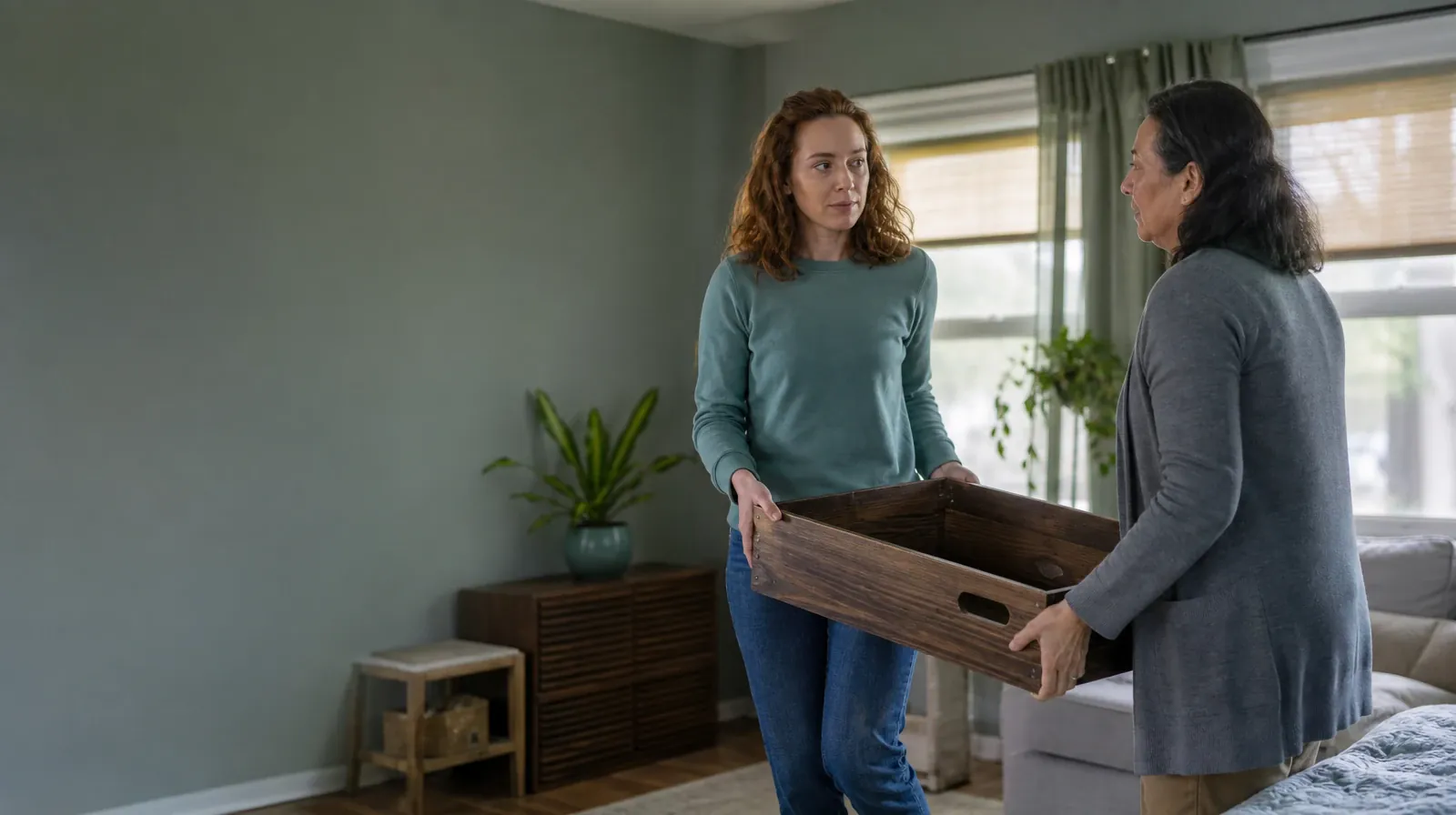
Partner support
Supporting a partner’s hydrocodone use in South Florida with care and boundaries
Concern can make it hard to know how to respond. Learn about hydrocodone and treatment, and explore adult treatment programs as you think about what support could look like. A respectful conversation can express care without blame, while clear boundaries help you protect your own wellbeing.
You might notice changes that worry you, yet feel unsure how to bring them up. Start from what you have observed and how it affects you, rather than labeling your partner or arguing about what the behavior means. Your partner may respond in different ways. You can still be honest, caring, and clear about what you need.
Supporting a partner with hydrocodone use doesn’t mean managing every choice or putting your own life on hold. You can offer to talk about treatment while recognizing that your partner makes their own decisions. Boundaries are personal limits, not punishments. They can help you stay grounded while you consider what support you can offer.
Sources
- Hold compassionate boundaries: Care and limits can exist together; you don’t have to carry the situation alone.
- Speak without blame: A calm, direct conversation can open space for honesty without demanding an immediate decision.
Care options
Hydrocodone concerns and treatment options in South Florida
You don’t need to know exactly what care your partner needs before looking for information. Read about hydrocodone-related concerns and see Florida Helps’ adult program scope. A conversation about the situation can help you understand whether adult detox or residential addiction treatment may be relevant.
People can need different types of care, and treatment may involve more than one type depending on individual needs. Florida Helps provides adult drug and alcohol detox and residential addiction treatment in Miramar. Call to discuss the concern without assuming a particular recommendation.
You may be balancing your partner’s needs with your own uncertainty about what comes next. Calling can give you a direct way to discuss the adult programs and the situation that prompted your concern. You don’t have to make a treatment decision on the call. Start with what you know, and take the next step at your own pace.
Sources
- Understand the care setting: The adult programs include detox and residential addiction treatment at the Miramar facility.
- Keep the situation specific: An individualized discussion is more useful than assuming every person needs the same type of care.
Everyday support
Practical support for a partner’s hydrocodone use in South Florida
You can’t make choices for your partner, but you can choose how you respond today. Get context about hydrocodone and review the adult treatment options. Practical support might mean listening, sharing a concern plainly, or deciding what boundary you need for your own wellbeing.
Try to keep support manageable. You might let your partner know you’re willing to talk, or offer to discuss treatment when they’re ready. You can also make time for your own relationships and needs. Supporting a partner with hydrocodone use can be emotionally demanding, and caring for yourself is not a rejection of your partner.
When the situation feels complicated, a direct conversation with Florida Helps can help you understand the program’s adult care scope. The facility is in Miramar, Florida, and provides adult drug and alcohol detox and residential addiction treatment. A call is a way to discuss the concern and get information, not a commitment to enroll.
Sources
- Focus on what you control: Offer steady care where you can, while keeping your own needs and limits in view.
- Take one manageable step: A call can help you learn about adult care without deciding everything in advance.
Understanding treatment
Choosing adult addiction care in South Florida
Care decisions should reflect the person’s needs, not assumptions based on one substance or one family’s experience. Explore hydrocodone information alongside Florida Helps’ adult programs. Treatment can involve different kinds of care, while the Florida Helps scope here is adult detox and residential addiction treatment.
Residential care means living at a treatment program. Treatment can include more than one type of care depending on a person’s needs. Therapy and counseling may happen one-to-one or in groups, and commonly focus on coping and changing patterns. These are general descriptions of treatment, not a promise that a particular therapy is offered at Florida Helps.
Medication can be part of treatment for some substance use disorders, and decisions about medication belong in a discussion with a qualified health professional. Florida Helps’ stated adult programs are drug and alcohol detox and residential addiction treatment. Call to discuss the concern and understand the program’s scope; no single approach fits everyone.
Sources
- Know what residential means: Residential treatment involves living at a program rather than attending only for a visit.
- Allow for individual needs: Treatment types and medication decisions depend on individual needs and qualified professional guidance.
Talk with admissions
A private conversation about partner support in South Florida
You can call even if your partner hasn’t decided what to do. Learn about hydrocodone-related care and Florida Helps’ adult treatment programs, then talk directly with admissions about the concern. You can get information about adult detox and residential treatment without assuming your partner will enroll.
A call can make a difficult decision feel more manageable by giving you a place to describe what is happening and learn about the care available. Florida Helps provides adult drug and alcohol detox and residential addiction treatment in Miramar, Florida. The conversation can focus on the program and your concern, with no need to have every answer beforehand.
If you’re supporting a partner with hydrocodone use, you deserve clear information as well as a chance to consider your own needs. Call Florida Helps at (866) 931-9677 to discuss the adult programs and what has brought you to this point. You can decide what to do next after you have more information.
Sources
- You can start with a call: You can seek information for yourself, even when your partner’s next step is uncertain.
- Get clear program information: Admissions can discuss the stated adult programs and the concern you bring to the conversation.
Straight answers, without pressure
Questions people often ask
You can read what feels useful and bring the rest into a private conversation.
How can I talk with my partner about hydrocodone use?
Choose a calm moment and speak from care, not blame. You can describe what you’ve noticed and how it affects you, while leaving room for your partner’s perspective. You don’t have to settle every decision in one conversation. If you’re ready, call Florida Helps to discuss adult treatment options.
Can I support my partner without taking responsibility for their choices?
Yes. You can offer care while keeping boundaries around what you can and can’t do. That may mean being honest about the effect of the situation on you, while not trying to control your partner’s decisions. Support for you matters too, whether or not your partner is ready for treatment.
What kinds of care does Florida Helps provide?
Florida Helps provides adult drug and alcohol detox and residential addiction treatment at its facility in Miramar, Florida. Residential care means living at a treatment program. The right type of care depends on individual needs. Call to discuss the concern and learn about the program’s scope.
Does Florida Helps offer a hydrocodone-specific program?
Florida Helps provides adult drug and alcohol detox and residential addiction treatment in Miramar. A call can help you discuss the situation and whether the adult programs may fit. You don’t need to have every next step decided before calling.
Educational information for adults and loved ones. A qualified professional can help apply it to your health and circumstances. Editorial oversight: Tim Francis.