
Family support
Start with respect when helping an adult sibling with inhalant use in South Florida
Learn about inhalant use and Florida Helps adult programs to better understand the concern and available care. Your sibling is an adult with their own choices. You can listen, express care, and share information without diagnosing them or demanding that they accept treatment.
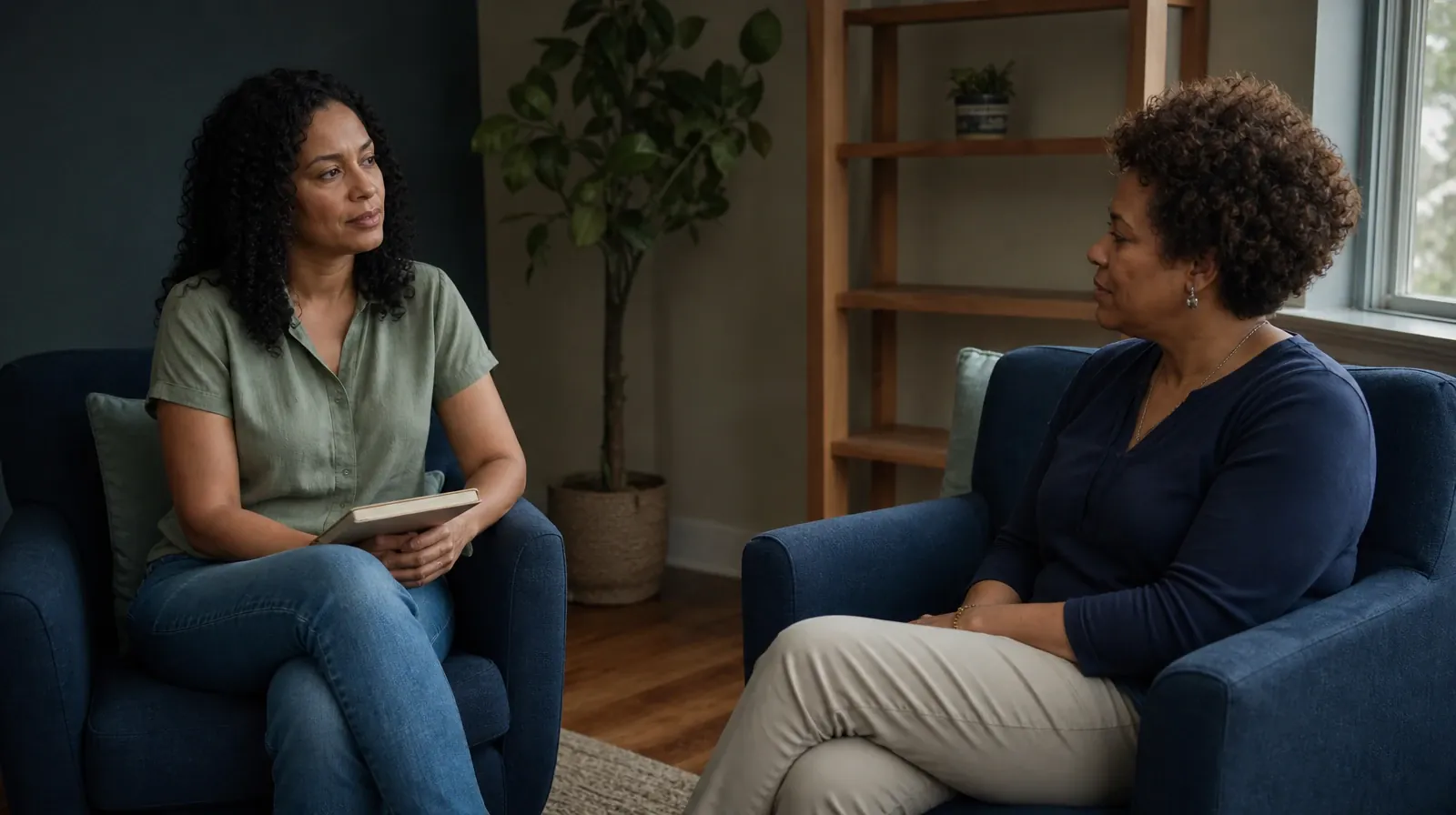
Try to speak when you can both focus, using simple observations rather than labels. You might explain that you’re worried about changes you’ve noticed and that you care about your sibling. Listening matters too: your sibling may be willing to talk, may not be ready, or may see things differently.
Support doesn’t mean managing every decision for your sibling. You can stay connected, offer practical kindness, and make clear that help is available if they want to consider it. A respectful approach leaves room for your sibling to decide what to share and what step, if any, feels right.
Sources
- Respect their agency: Your sibling’s choices remain their own, even when you’re concerned and want to help.
- Stay connected: A caring conversation can keep the door open without turning concern into pressure.
Treatment context
Understand inhalant concerns and adult treatment options in South Florida
Read about inhalant-related concerns and see Florida Helps adult care for context. Inhalant use is a specific concern, and a family member may not know what kind of help could fit. Florida Helps provides adult drug and alcohol detox and residential addiction treatment at its facility in Miramar.
Treatment isn’t one identical path for everyone. The Substance Abuse and Mental Health Services Administration explains that care can involve more than one type of treatment, depending on a person’s needs. Its general information can help frame the topic, but it doesn’t establish a particular service or treatment plan for your sibling.
At Florida Helps, the stated adult program scope is drug and alcohol detox and residential addiction treatment. Residential care means living at a treatment program. The facility is in Miramar, Florida. Calling admissions can help you understand this care in relation to your sibling’s concern without assuming that a specific program or outcome is assured.
Sources
- Know the care setting: Florida Helps’ adult care includes detox and residential addiction treatment in Miramar.
- Keep the context clear: General treatment information can explain options without determining an individual’s needs.
Talking with your sibling
Talk calmly about inhalant use and support in South Florida
Explore inhalant information and review adult treatment options as you consider how to approach your sibling. You don’t need to have every answer before offering care. A steady, nonjudgmental conversation can make it easier to share concern while leaving the next decision with your sibling.
Keep your message focused on your relationship and concern, not on winning an argument. If your sibling doesn’t want to talk, you can acknowledge that and leave the possibility of another conversation open. Respectful support may take time; it doesn’t require you to approve of every choice or carry the situation alone.
When your sibling is open to learning about treatment, a call can make the options more concrete. Florida Helps admissions can explain its adult detox and residential addiction treatment in Miramar. This can help you and your sibling understand what the program is, while preserving your sibling’s choice about whether to pursue care.
Sources
- Speak with care: A calm tone helps you express concern without making the conversation a demand.
- Get direct information: A call can clarify Florida Helps’ adult treatment setting and scope.
Family boundaries
Support your sibling while recognizing family limits
Understand inhalant-related concerns and learn about adult treatment before deciding how you can help. You can offer connection and share information, but you can’t make another adult choose treatment. Your own well-being matters too, especially when worry begins to take up much of your attention.
It’s understandable to want to fix the situation quickly. Still, your sibling’s decisions are theirs, and your role doesn’t have to become constant monitoring or persuasion. Keep ordinary connection where possible, set limits that feel necessary for your well-being, and reach out to someone you trust for support of your own.
If your sibling is willing to explore care, Florida Helps provides adult drug and alcohol detox and residential addiction treatment in Miramar. The program may also include co-occurring support within those adult treatment programs. This is not a standalone mental health admission; the admissions team can explain the program’s scope directly.
Sources
- Care for yourself, too: You can care about your sibling while keeping boundaries that protect your own well-being.
- Understand the scope: Florida Helps’ co-occurring support is within its adult addiction treatment programs.
A way to begin
Take a next step for an adult sibling in South Florida
Learn more about inhalant use and Florida Helps adult programs when you’re ready to consider support. You can call admissions even if your sibling hasn’t decided about treatment. The conversation can focus on what Florida Helps provides and whether discussing its adult care makes sense for your family.
Florida Helps provides adult drug and alcohol detox and residential addiction treatment at its facility in Miramar, Florida. The team can discuss the program with you; a call doesn’t mean that your sibling has agreed to treatment or that a particular care plan is right for them. Your sibling’s decision remains their own.
When you’re ready, call Florida Helps admissions at (866) 931-9677. You can explain that you’re concerned about an adult sibling and get information about the treatment setting. If your sibling wants to take part, they can decide what they’d like to discuss next.
Sources
- Get information: A private call can help you understand the adult care Florida Helps provides.
- Leave room for choice: Your sibling can choose whether and when to explore treatment.
Straight answers, without pressure
Questions people often ask
You can read what feels useful and bring the rest into a private conversation.
Can I make my adult sibling get treatment?
You can’t make another adult accept treatment, but you can share concern and offer support without taking over their choices. A calm, respectful conversation may help keep communication open. If your sibling wants to explore care, Florida Helps’ admissions team can discuss adult drug and alcohol detox and residential addiction treatment in Miramar.
Does Florida Helps offer treatment specifically for inhalant use?
Florida Helps offers adult drug and alcohol detox and residential addiction treatment in Miramar. The program information provided doesn’t establish a separate inhalant-specific program. You can call admissions to discuss your sibling’s situation and whether the available care may fit; that conversation doesn’t commit your sibling to treatment.
What does residential treatment mean?
Residential care means living at a treatment program. Treatment can include more than one type of care, depending on a person’s needs; therapy may happen individually or in groups and can focus on coping and changing patterns. These general descriptions don’t establish which specific services your sibling would receive.
Can I call if my sibling isn’t ready?
Yes. You can call to talk about your concern and learn about the adult care Florida Helps provides. Your sibling doesn’t have to be enrolled for you to discuss the program. You can support your sibling while respecting that the decision to seek treatment belongs to them.
Educational information for adults and loved ones. A qualified professional can help apply it to your health and circumstances. Editorial oversight: Tim Francis.