
Understanding the assessment
What a cannabis assessment in South Florida may explore
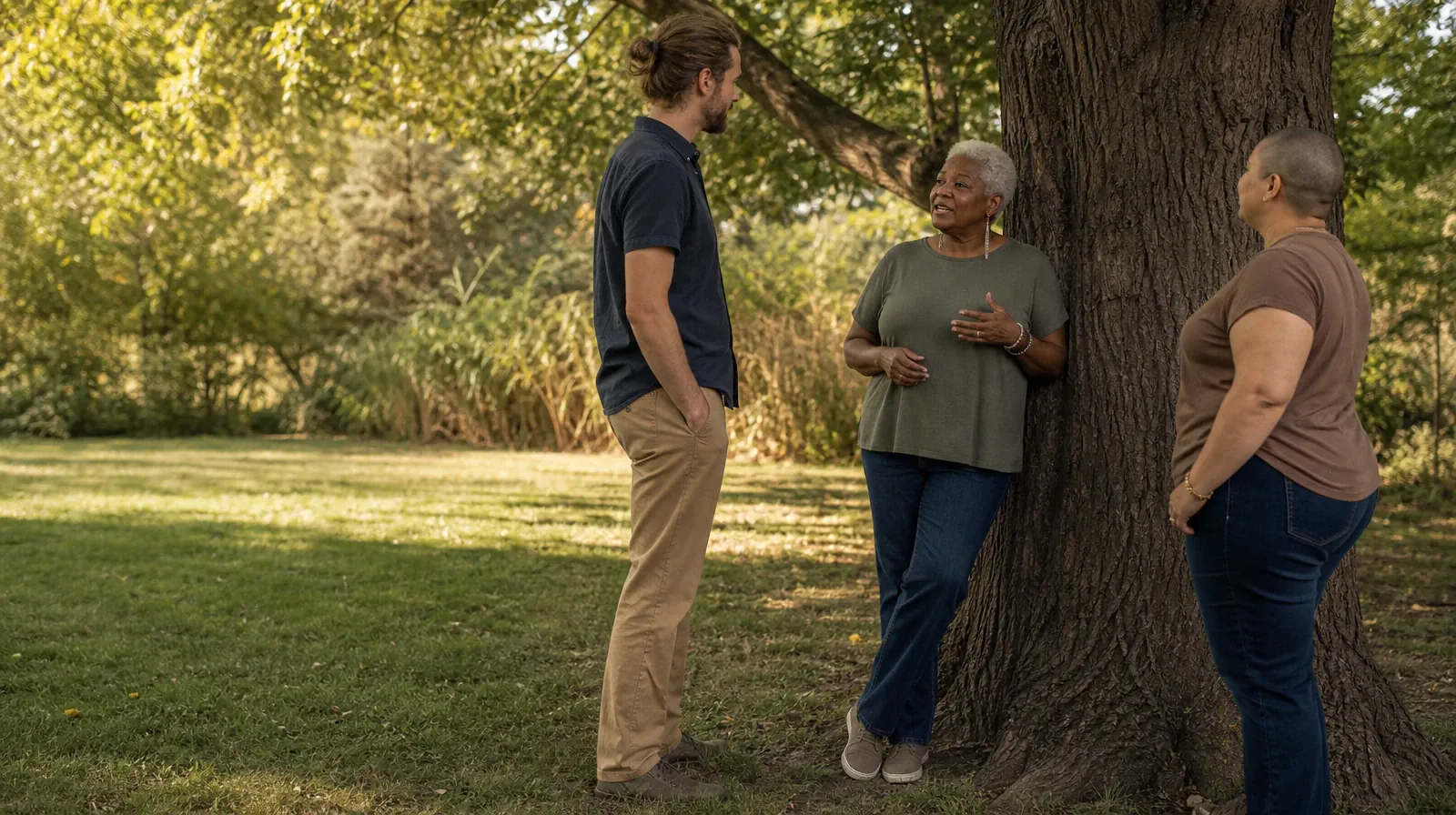
A cannabis assessment may explore patterns of use, effects, health concerns, and support needs. Reviewing cannabis use and related concerns can help you describe what is happening, while understanding treatment options gives context for possible next steps. An assessment is a conversation, not a definition of who you are.
A health professional may ask about how often you use cannabis, what you notice before or after using it, and whether it affects daily life. These medical assessment questions about cannabis use help put your concern in context. You do not need a perfect timeline to begin talking about what has changed or feels difficult.
The purpose is to understand the person and their needs, not to reduce them to a substance or a label. Treatment can involve more than one type of care, depending on a person's needs. A careful discussion can help identify what should be considered without assuming a diagnosis or placement.
Sources
- Your perspective matters: Your experience and concerns are part of the discussion, not a score or judgment.
- Start where you are: A conversation can begin with what feels important now, even if some details are unclear.
Patterns and effects
Cannabis use details that can clarify the pattern
Specific details can help describe a pattern without defining you. The cannabis information and concerns page offers related context, and Florida Helps adult programs explains the facility’s treatment scope. Together, these details can help you understand the difference between discussing a concern and choosing care.
An assessment may consider frequency, duration, and the situations in which cannabis use occurs, along with changes you have noticed. These are ordinary areas of discussion, not a test you must pass. Share what you remember; the conversation can focus on what matters most to your health and daily life.
You may also discuss whether cannabis is used alongside other substances or whether it affects relationships, responsibilities, or routines. There is no single answer that explains everyone’s situation. A health professional considers details in context rather than treating one fact as the whole story.
Sources
- Details add context: Patterns and effects offer context; no single detail tells the whole story.
- No perfect account needed: You can speak plainly about what you know and what remains uncertain.
From assessment to support
How cannabis assessment answers inform care discussions
Assessment answers can inform a discussion about support, but they do not predetermine placement. Read about cannabis-related concerns alongside the adult treatment programs Florida Helps offers to understand the distinction between general assessment and a specific program. Care decisions depend on a person’s needs.
Treatment can include different types of care. Residential care means living at a treatment program, while inpatient care generally means staying overnight in a hospital or treatment program. These terms describe settings; they do not determine what will fit your circumstances. A health professional can consider your needs in context.
Florida Helps provides adult drug and alcohol detox and residential addiction treatment at its facility in Miramar, Florida. Co-occurring support is available within those programs. A call to admissions can help you discuss whether this care may fit the concern; the discussion does not commit you to treatment.
Sources
- Care depends on needs: Different care settings serve different needs; an assessment does not decide placement by itself.
- Discuss the next step: A call can connect your concern with information about Florida Helps adult programs.
Health and loved-one context
Health and family context in South Florida cannabis assessments
Health concerns and family observations can add context to a cannabis assessment, but they do not replace an evaluation. The cannabis use guide provides related information, while adult program details explain Florida Helps’ treatment scope. The focus remains on understanding the person’s needs, not assigning blame.
You can describe physical or emotional concerns that seem connected to cannabis use, or changes that concern you. A health professional can consider those alongside your account of use and daily life. This information helps frame a fuller discussion; it does not, on its own, establish a diagnosis or treatment plan.
A loved one may notice changes in routines or relationships and can sometimes add useful context with your involvement. Their perspective is only one part of the picture. You deserve a chance to describe your experience in your own words and discuss what kind of help might make sense.
Sources
- Include what affects you: Health and day-to-day concerns belong in the conversation when they matter to you.
- Keep your voice central: Loved ones can offer context without speaking for you or deciding what care you need.
A next step
A South Florida cannabis assessment and a manageable next step
You do not have to settle every question before reaching out. Explore cannabis-related information and Florida Helps adult treatment options, then decide whether a conversation would help. For a private, no-commitment discussion of the facility’s adult programs, call admissions directly.
If cannabis use is troubling you or someone you love, it is reasonable to seek information before the situation feels overwhelming. The exact medical assessment questions about cannabis use will depend on the concern being discussed. A useful first step can simply be explaining what is happening and hearing what support the facility provides.
Florida Helps’ adult care is delivered at its facility in Miramar and includes drug and alcohol detox and residential addiction treatment, with co-occurring support within those programs. Call (866) 931-9677 to speak with admissions about whether the program may fit your concern. You remain free to decide what comes next.
Sources
- A conversation is a choice: You can seek information without assuming a diagnosis or committing to care.
- Talk with Florida Helps: Admissions can discuss the adult programs and your concern by phone.
Straight answers, without pressure
Questions people often ask
You can read what feels useful and bring the rest into a private conversation.
What might a medical assessment about cannabis use cover?
A medical assessment may explore how often cannabis is used, its effects, health concerns, and what kind of support may help. The details give a health professional context for discussing needs. They do not define you or, by themselves, determine a particular treatment setting.
Does talking about cannabis use mean I need treatment?
No. Discussing cannabis use is a way to understand what is happening and what support could be useful. Care can involve different types of support depending on a person's needs. A conversation alone does not establish a diagnosis or decide where you should receive care.
Can family observations be part of an assessment?
With your involvement, a loved one’s observations may add context about changes they have noticed. Those observations do not replace your own account or an evaluation by a health professional. You can start with the concern that feels most important to you.
Where is Florida Helps located?
Florida Helps has an adult treatment facility in Miramar, Florida. Its programs include drug and alcohol detox and residential addiction treatment, with co-occurring support within those programs. Call admissions to discuss whether the care may fit your concern.
Educational information for adults and loved ones. A qualified professional can help apply it to your health and circumstances. Editorial oversight: Tim Francis.