
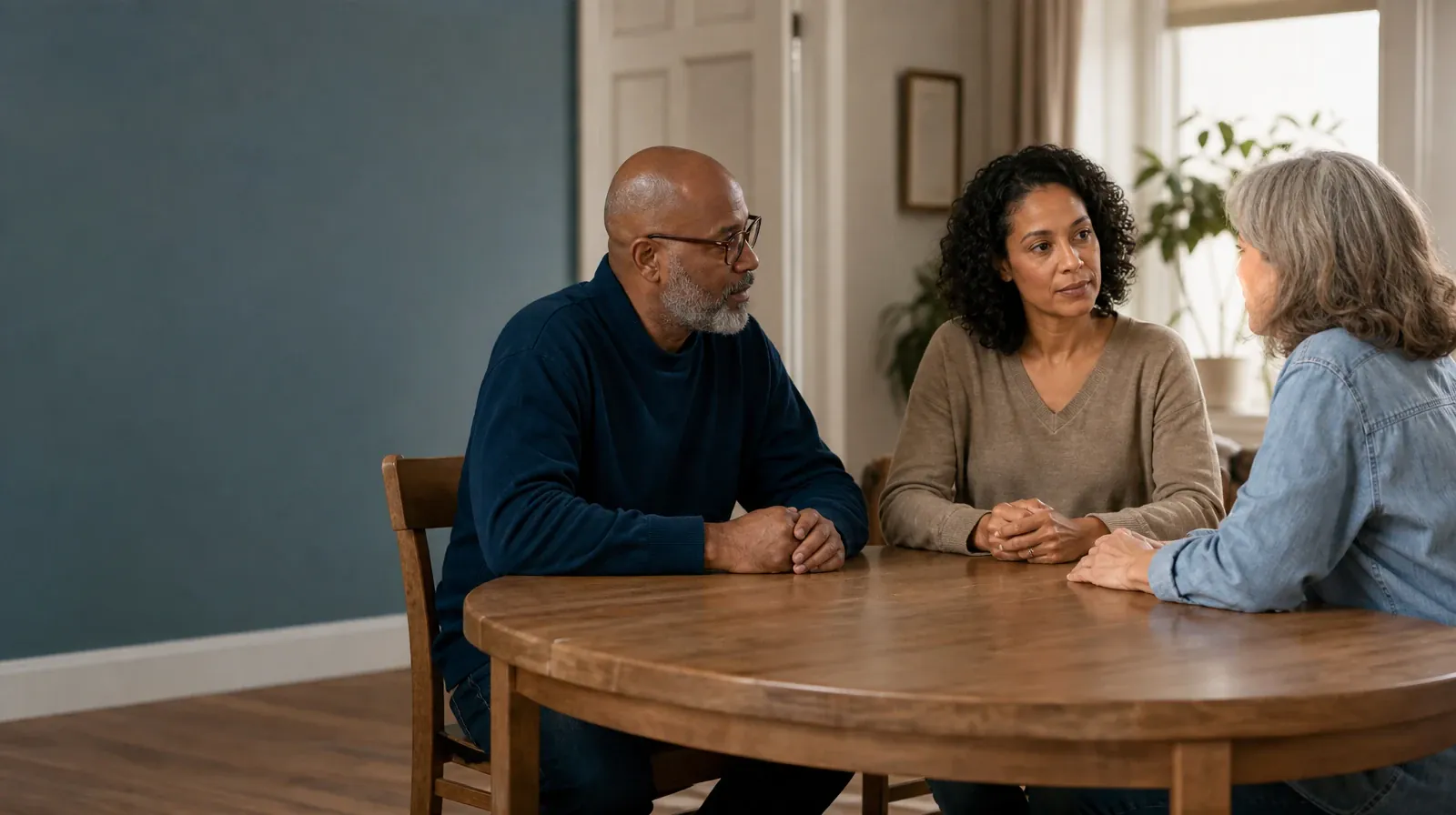
What to share
Talking with a clinician about opioid use in South Florida
A useful conversation can start with what you use, how often, and what has changed. The opioid information page gives more context about opioids, while the adult treatment programs explain the care Florida Helps offers. You don’t need to settle on a treatment decision before describing what’s happening.
Be as specific as you can about your pattern. You might describe when opioid use began, whether it has become more frequent, or whether the amount has changed. If you don’t know an exact amount or date, say so. A clear picture of what you remember is more useful than trying to make the story sound complete.
Also mention what prompted you to speak now. Perhaps use is affecting routines, relationships, work, or your sense of control. You can describe the change in your own words without labeling yourself or deciding what it means. Talking with a clinician about opioid use can begin with a simple account of the changes you’ve noticed.
Sources
- Start with what you know: Describe the pattern and any changes, even if you don’t know exact amounts or dates.
- You don’t need a final plan: You can talk about concerns before you’ve chosen a treatment or know what comes next.
Substances and medicines
Discussing opioid use and other substances in South Florida
Include the opioid name if you know it, along with any alcohol, prescription medicines, or other substances you use. The opioid resource covers the topic, and the adult care overview describes Florida Helps’ detox and residential programs. Sharing the broader picture helps keep the conversation grounded in your experience.
People may use different opioids or may not know the exact name of what they took. Explain what you know, such as whether it was prescribed or obtained another way, and whether the substance or pattern has changed. If you’re not sure about a detail, it’s fine to say that. Guessing can make your account less clear.
Mention other substances even when they seem separate from the opioid concern. Include how often you use them, if you know, and whether they are used at the same time. Medication can be part of treatment for some substance use disorders, and decisions about it belong in a discussion with a qualified health professional. This does not mean a particular medication or protocol is offered by Florida Helps.
Sources
- Include the full picture: Name each substance you can, including alcohol and medicines, and note uncertainty honestly.
- Keep treatment decisions individual: Medication decisions depend on individual needs and should be discussed with a qualified health professional.
Daily impact and goals
Describing opioid use and daily life in South Florida
Explain how opioid use affects your everyday life and what you hope might change. The opioid guide offers related information, while the adult programs overview describes detox and residential addiction treatment in Miramar. Your goals can be small or uncertain; they still help make the conversation personal.
You might describe changes in sleep, responsibilities, relationships, or the time and attention opioid use takes. Focus on what you’ve noticed rather than trying to prove that the problem is serious enough. If a loved one is concerned, their observations may add context, but they don’t replace your account of what daily life feels like to you.
You can also talk about what you want help with right now. That might mean understanding treatment choices, getting support to stop using, or finding a more stable routine. Treatment may involve more than one type of care, depending on a person’s needs. Florida Helps provides adult drug and alcohol detox and residential addiction treatment; a call can help you learn about these programs.
Sources
- Connect use to your concerns: Everyday effects and personal goals help make the discussion relevant to your life.
- Learn about the care available: Florida Helps’ adult care includes detox and residential addiction treatment in Miramar.
Health and support
Sharing health context and loved-one observations in South Florida
Tell a clinician about relevant health concerns, medicines, and anything else that may affect how you feel. The opioid resource provides related information, and the program overview explains Florida Helps’ adult detox and residential care. A loved one’s observations may also help fill in changes you haven’t noticed yourself.
Include health information you think may matter, such as medicines you take or other concerns you’re managing. You don’t have to know how each detail connects to opioid use. Sharing it gives the clinician more context for the conversation. If your circumstances feel complicated, start with the details that are clearest to you.
If you’re supporting someone, describe specific changes you’ve noticed rather than assigning a label or speaking for them. A shift in routines or responsibilities may be useful context. When possible, make room for the person’s own account too. Concern from someone close can be a reason to talk, even before there’s agreement about treatment.
Sources
- Share relevant context: Mention medicines and other health concerns without needing to explain how they connect.
- Include support respectfully: Loved ones can add observations while leaving room for the person’s own perspective.
Taking a first step
Starting an opioid treatment conversation in South Florida
You can begin with an honest account of what is happening, without choosing a treatment first. The opioid information page explains the topic, and the adult programs page describes Florida Helps’ detox and residential addiction treatment. If you’re considering those options, call admissions to talk about care in Miramar.
A conversation about treatment does not require you to arrive with a complete history or a definite goal. You can start with what feels most pressing and explain what you already know. Clinicians may discuss different types of care according to a person’s needs; residential care involves living at a treatment program. A qualified health professional can discuss what may fit your situation.
Florida Helps has one facility in Miramar, Florida, offering adult drug and alcohol detox and residential addiction treatment. Co-occurring support is provided within those adult programs. Call (866) 931-9677 to talk with admissions about the programs and whether they may fit your concern. You can begin with what is happening now and decide what comes next.
Sources
- Begin where you are: You can start the conversation before you know what treatment you want.
- Talk about possible next steps: Call Florida Helps admissions to discuss adult detox and residential care in Miramar.
Straight answers, without pressure
Questions people often ask
You can read what feels useful and bring the rest into a private conversation.
What should I tell a clinician about opioid use?
Share what opioid or opioids you use, how often, how much you take if you know, and what has changed. Mention other substances and how use affects your daily life. You don't need a polished explanation. An honest account gives a clinician useful context for discussing possible next steps.
Should I mention alcohol or other substances?
Yes. Include alcohol, prescription medicines, and other substances you use, even if you use them only sometimes. Each part of the picture can matter when a clinician discusses care. If you’re unsure of a name or amount, say what you do know rather than leaving it out.
Do I need to know what treatment I want before I call?
No. You can call while you’re still trying to understand what kind of help may fit. Florida Helps offers adult drug and alcohol detox and residential addiction treatment in Miramar, Florida. A phone conversation can help you learn about those programs and decide what you want to do next.
Can a loved one share information with a clinician?
A loved one may have observations about changes they’ve noticed, and you can include those details when appropriate. Their perspective can add context, but your own experience matters too. If you’re calling Florida Helps about adult care, a family member can also call to discuss the programs.
Educational information for adults and loved ones. A qualified professional can help apply it to your health and circumstances. Editorial oversight: Tim Francis.