
Communication
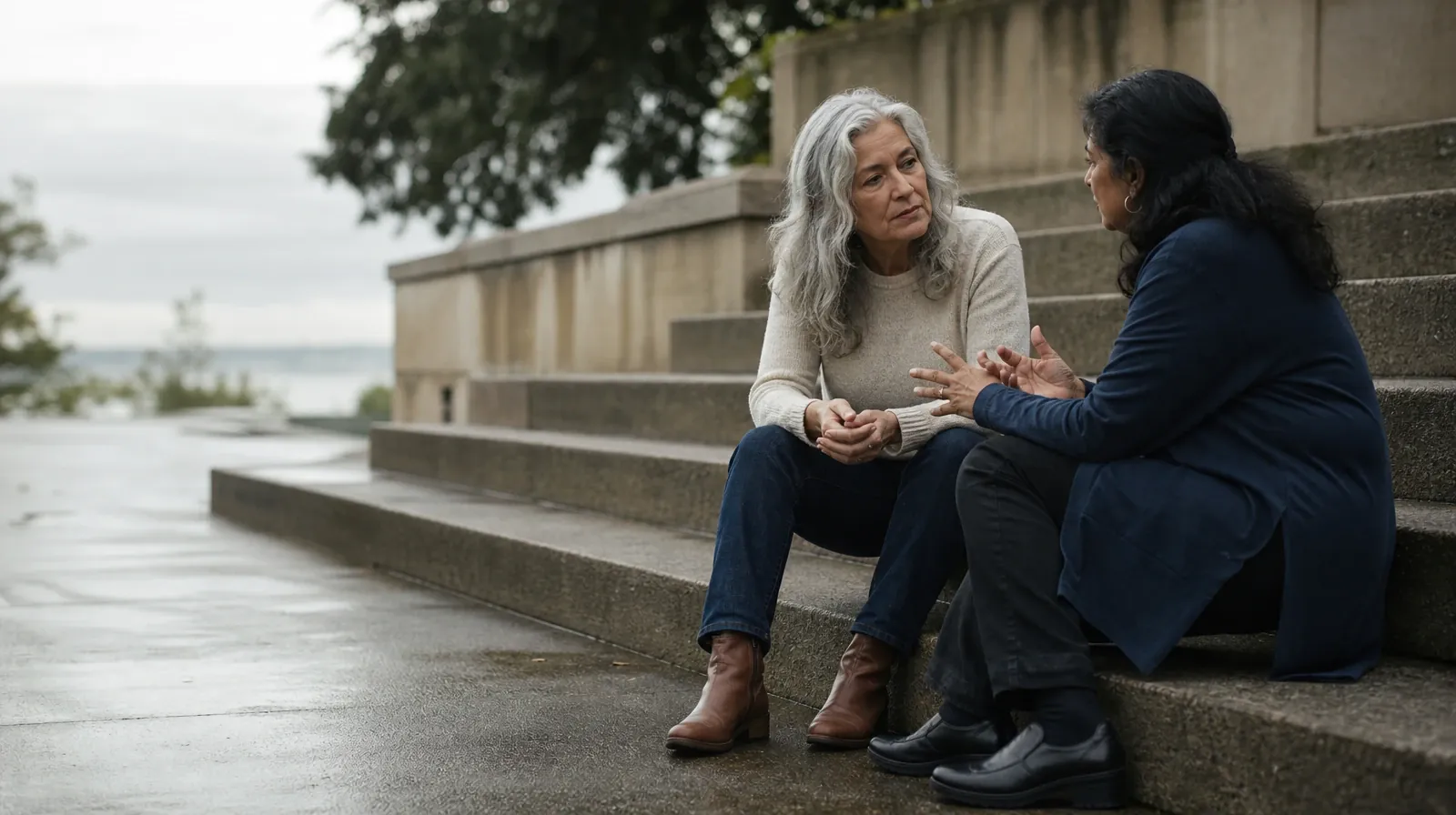
How family involvement may support communication through art therapy
Family participation may help people share and listen in a different way when it suits their needs. Learn how art therapy can support expression and explore Florida Helps adult treatment programs. These are separate ideas: general therapy information doesn’t mean a particular activity or family session is offered at the Miramar facility.
Talking about a difficult experience can feel like too much, especially when relatives are worried or unsure what to say. A drawing, painting, or other creative activity may give people something concrete to focus on together. It can open a conversation, but it doesn’t have to carry a hidden message or produce a particular result.
Family involvement is most useful when it respects the person receiving care. Relatives may bring important perspectives, yet the person’s comfort and needs still matter. Therapy can be tailored to the individual, and the fit of an approach can be revisited. A family member’s presence should not be treated as a requirement.
Sources
- A gentler opening: A creative activity can offer a shared starting point without requiring immediate, detailed conversation.
- The person stays central: Family participation makes sense only when it fits the person’s needs and comfort.
Approach
What art therapy and purposeful conversation can involve
Art-based expression and therapeutic conversation can serve different purposes: one offers a creative way to express something, while the other can help people notice thoughts, feelings, and behavior. Explore art therapy as a general approach and see the adult care Florida Helps provides. A named therapy approach is not a facility-service promise.
Psychotherapy aims to help people identify and change troubling thoughts, emotions, and behaviors. It commonly takes place individually or in a group. Conversations may address coping with stress, solving problems, communication, or noticing patterns in thoughts and actions. The work is more than making something; the therapeutic purpose and the person’s needs guide the approach.
Cognitive behavioral therapy, for example, helps people notice harmful or inaccurate automatic thoughts and consider how those thoughts affect emotions and behavior. It may help change unhelpful patterns. That description is general education, not a statement that Florida Helps offers this therapy. Family involvement and art activities are not interchangeable with a specific therapeutic method.
Sources
- A purposeful process: Therapy can include communication, coping, problem-solving, and noticing patterns.
- Keep the distinction clear: An example of a therapy approach does not establish that a provider offers it.
Shared activity
Using a shared art activity as a starting point for discussion
A shared creative task could give relatives a calmer focus than trying to solve everything in one conversation. Read about art therapy and expression and review Florida Helps adult drug and alcohol care. This can help you understand the general idea without assuming art sessions or family participation are part of a particular program.
For some people, making or looking at art can make it easier to begin talking about an experience. A family member might listen, notice what the person chooses to share, and avoid turning the activity into an interpretation or test. The aim is not to diagnose someone from their artwork or insist that they explain it.
Communication skills and problem-solving may be part of psychotherapy, depending on the approach and the person’s needs. A shared activity may be one way to begin a discussion, but it cannot resolve every disagreement or replace individualized care. Respectful listening, patience, and room for silence can matter as much as the activity itself.
Sources
- No forced interpretation: Let the person decide what, if anything, they want to share about their work.
- Make room to talk: Listening and patience can make a conversation feel more respectful.
Comfort
Why comfort matters in family participation and art therapy
Your comfort matters when personal experiences are part of a conversation. Learn about art therapy in general and read about Florida Helps’ adult programs. A therapy approach may be tailored to a person’s needs and the therapist’s training; family participation should not be assumed to suit everyone or every situation.
Trust and feeling comfortable with a therapist matter when someone is discussing personal experiences. Those same considerations can be important when family members are involved. You may want a relative present, prefer an individual setting, or feel differently at different points. Those preferences are relevant to whether participation feels helpful.
Therapy is not necessarily a fixed set of activities. An approach may be tailored, and more than one approach may be combined. The fit and progress can be revisited. This flexibility is general information about psychotherapy, not a promise about a particular service at Florida Helps or an assurance of a specific outcome.
Sources
- Comfort comes first: Trust and comfort matter when personal experiences are discussed.
- Room for adjustment: A person’s needs and preferences can change, so fit may be revisited.
Getting support
Finding adult addiction care in South Florida
If substance use is affecting you or someone close to you, you can begin by talking about the concern and the kind of care available. Find general information about art therapy and review Florida Helps adult programs. Florida Helps provides adult drug and alcohol detox and residential addiction treatment at its facility in Miramar.
Family Involvement and Art therapy in South Florida is a useful topic to explore, but the immediate need may be understanding addiction care rather than choosing a therapy activity. Florida Helps’ adult programs focus on drug and alcohol detox and residential addiction treatment. Co-occurring support is within those programs; the facility does not establish standalone psychiatric admissions through these facts.
The treatment facility is at 3600 Red Road, Suite 501-A, Miramar, Florida 33025. South Florida refers to the region, not a separate clinic. If you’re considering care for yourself or a loved one, call Florida Helps at (866) 931-9677. A conversation can help you discuss the concern and the adult care available without presuming a diagnosis or enrollment.
Sources
- A local point of contact: Florida Helps’ adult addiction treatment facility is in Miramar, Florida.
- Talk about the next step: Call to discuss adult detox or residential care for your situation.
Straight answers, without pressure
Questions people often ask
You can read what feels useful and bring the rest into a private conversation.
Does Florida Helps offer art therapy with family involvement?
The information here describes how family participation and art-based activities may work in therapy generally; it doesn’t establish that Florida Helps offers art therapy or family sessions. Florida Helps provides adult drug and alcohol detox and residential addiction treatment in Miramar. Call (866) 931-9677 to discuss the care and support available for your situation.
What can family involvement add to therapy?
When it fits the person’s needs and treatment, family participation may give relatives a chance to communicate and understand one another more clearly. It should not replace your comfort or preferences. Therapy approaches can be tailored, and progress and fit may be revisited over time.
Does making art mean someone has to explain everything?
No. A shared creative activity can offer a starting point for conversation, but it doesn’t require anyone to disclose more than they feel ready to share. Trust and comfort matter when discussing personal experiences, and a therapy approach can be adjusted to a person’s needs.
Where is Florida Helps located?
Florida Helps has an adult treatment facility at 3600 Red Road, Suite 501-A, Miramar, FL 33025. South Florida describes the region, not another facility or office. Call (866) 931-9677 to discuss adult detox or residential addiction treatment and whether the care may fit your concern.
Educational information for adults and loved ones. A qualified professional can help apply it to your health and circumstances. Editorial oversight: Tim Francis.