
Understanding CBT
What a first CBT conversation in South Florida can cover
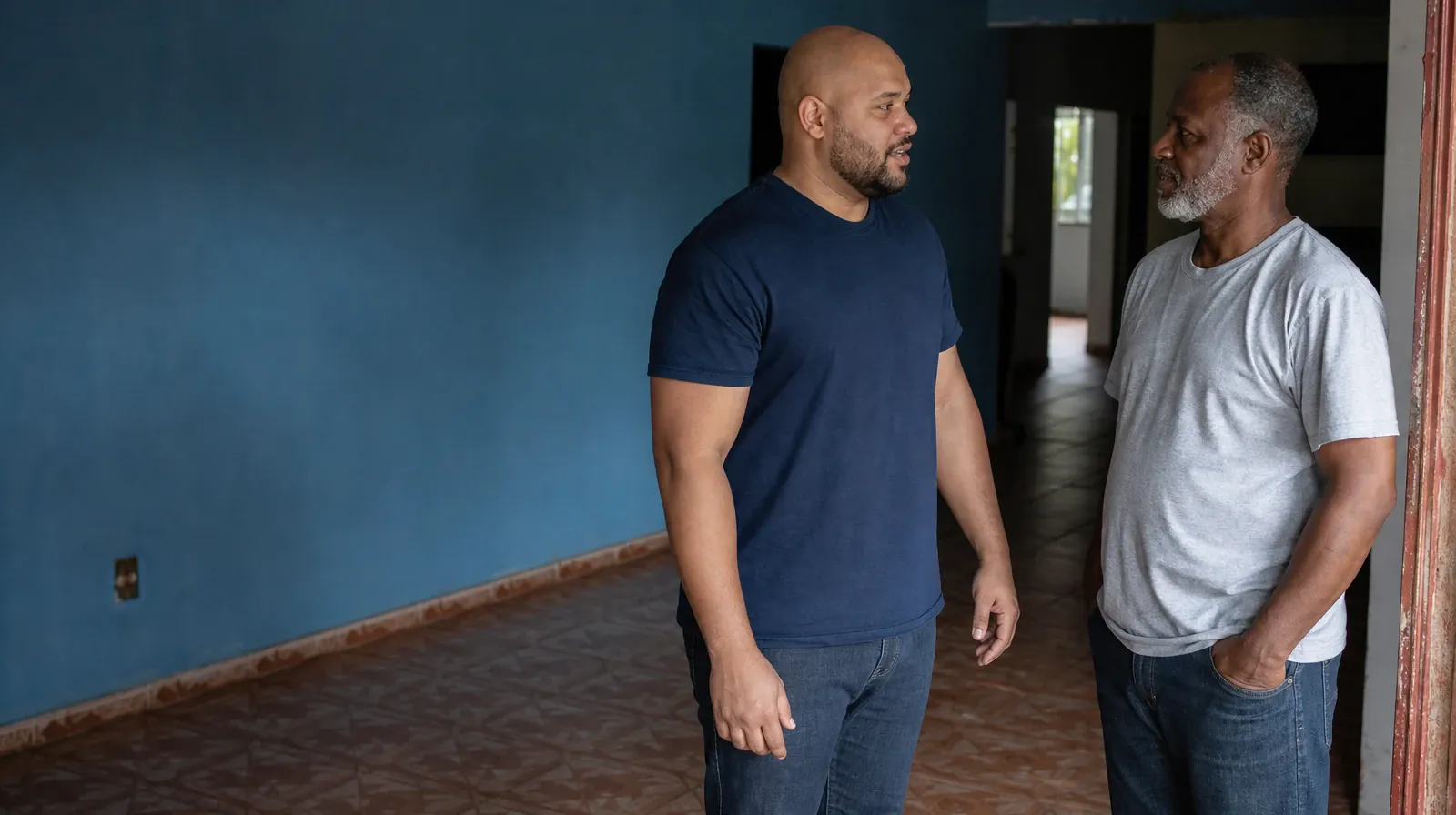
A first conversation can explore how thoughts, feelings, and actions may connect in a difficult moment. Learn about cognitive behavioral therapy as a general approach, and see Florida Helps’ adult treatment programs for the care offered in Miramar. You can start with what has been happening, even if you’re unsure how to describe it.
Cognitive behavioral therapy, often called CBT, helps people notice automatic thoughts that may be harmful or inaccurate. It also looks at how thoughts can influence emotions and behavior. The aim is to identify unhelpful patterns and consider changes.
You don’t need to explain everything perfectly to begin discussing support. You might describe a situation that feels hard to manage, how it affects you, or what you hope could change. If substance use is part of the concern, Florida Helps’ adult detox and residential addiction treatment in Miramar may be relevant to discuss.
Sources
- Start with what’s happening: A first conversation can begin with a real-life concern, rather than a label or a finished plan.
- Keep the focus practical: CBT offers a way to understand patterns; it doesn’t by itself determine which care is right for you.
Patterns and needs
How CBT looks at present patterns
CBT often focuses on patterns you’re experiencing now and how thoughts, emotions, and behavior may affect one another. Explore the basic CBT approach, then review Florida Helps’ adult detox and residential care to understand its program scope. Different approaches may be tailored to a person’s needs and the clinician’s training.
A difficult thought can feel like a fact in the moment. CBT encourages people to notice the thought, consider whether it is accurate, and look at how it shapes a response. This process may help make a pattern easier to understand. The specific work varies; therapy can also address coping with stress, problem-solving, communication, or tracking thoughts and feelings.
Care isn’t one-size-fits-all. A person’s needs and the therapist’s training can shape the approach, and more than one approach may be combined. The program provides adult drug and alcohol detox and residential addiction treatment, with co-occurring support within those programs.
Sources
- Notice the connection: Noticing a thought and its effects can help clarify a pattern without judging yourself.
- Allow for individual needs: A person’s needs matter when considering an approach; no single therapy description fits everyone.
A simple example
A practical CBT example for everyday situations
Consider a stressful situation followed by the thought, “I can’t handle this.” That thought may bring up strong feelings and influence what happens next. Read about CBT’s focus on thoughts and behavior, and see the adult care Florida Helps provides if substance use is also a concern.
In a CBT-style discussion, you might look at the situation, the thought that came up, and the feeling or action that followed. The point isn’t to blame yourself or force a positive thought. It’s to see whether the thought is accurate and whether another response could be more useful.
Tracking thoughts, emotions, and behavior is one possible part of therapy. Other discussions may focus on coping with stress, problem-solving, or communication. A first conversation about cognitive behavioral therapy can help clarify what you hope to understand, while a provider considers the person’s needs and the care that may fit.
Sources
- Follow one example: Looking at one situation can make an otherwise confusing pattern easier to describe.
- Keep expectations grounded: A different response is something to explore, not a result anyone can promise.
Care that fits the concern
Your preferences and adult substance-use care
Your needs and preferences can matter when considering treatment, alongside the care a program actually provides. Review the general CBT overview and Florida Helps’ adult program information to learn about CBT and adult addiction care. Its programs are adult drug and alcohol detox and residential addiction treatment in Miramar.
People can have different concerns, histories, and goals. General therapy guidance recognizes that an approach may be tailored to a person’s needs and that trust and comfort matter when discussing personal experiences. Florida Helps provides co-occurring support only within its adult detox and residential addiction care.
If substance use is affecting daily life, you don’t have to settle every question about therapy before seeking information about treatment. Florida Helps’ adult programs may give you a place to discuss detox or residential addiction care. A call can help you understand the program and share what’s concerning you, without assuming a diagnosis or enrollment.
Sources
- Consider both: Your preferences are part of the conversation, while program scope still matters.
- Understand the program: Florida Helps’ co-occurring support is part of adult substance-use programs, not standalone mental health care.
Talk with Florida Helps
A next step for adult care in South Florida
If you’re weighing what to do next, a direct conversation can make the available adult care easier to understand. Use the CBT overview for general therapy context, and review Florida Helps’ adult treatment programs. The facility is in Miramar and provides adult drug and alcohol detox and residential addiction treatment.
Preparing for a first conversation about cognitive behavioral therapy doesn’t mean you need to arrive with the right words or know which approach you want. You can start with the situation that brought you here. If substance use is part of it, the Florida Helps admissions team can discuss the adult detox and residential programs and how they relate to your concern.
A call is a straightforward way to talk about the care Florida Helps provides and what next step may make sense. You can call even if you’re still sorting through your options. For adult substance-use treatment in South Florida, contact Florida Helps at (866) 931-9677.
Sources
- Take one next step: A clear conversation can help you understand the program before deciding what comes next.
- Talk about care: Call Florida Helps to discuss adult detox or residential addiction treatment in Miramar.
Straight answers, without pressure
Questions people often ask
You can read what feels useful and bring the rest into a private conversation.
What happens in a first conversation about cognitive behavioral therapy?
A first conversation can help you describe what has been happening and consider how thoughts, feelings, and actions may connect. CBT is one approach that focuses on noticing unhelpful thought patterns and considering different responses. You don’t need to arrive with a diagnosis or a complete plan. Call Florida Helps to discuss adult care options.
Does Florida Helps offer cognitive behavioral therapy?
Florida Helps provides adult drug and alcohol detox and residential addiction treatment in Miramar. Co-occurring support is available within those programs. This page explains CBT in general. For information about care at Florida Helps, call to discuss its adult detox and residential programs.
Can CBT help with patterns connected to substance use?
CBT can help people notice automatic thoughts, consider how thoughts influence feelings and behavior, and work on unhelpful patterns. That general description doesn’t determine whether CBT or another approach is right for you. Substance-use care can involve more than one type of support, depending on individual needs.
Can a loved one call about treatment?
Yes. If you’re concerned about someone close to you, you can call to discuss Florida Helps’ adult drug and alcohol detox and residential treatment programs. A call can help clarify the program’s scope and discuss the person’s situation. You can take the next step at your own pace.
Educational information for adults and loved ones. A qualified professional can help apply it to your health and circumstances. Editorial oversight: Tim Francis.