
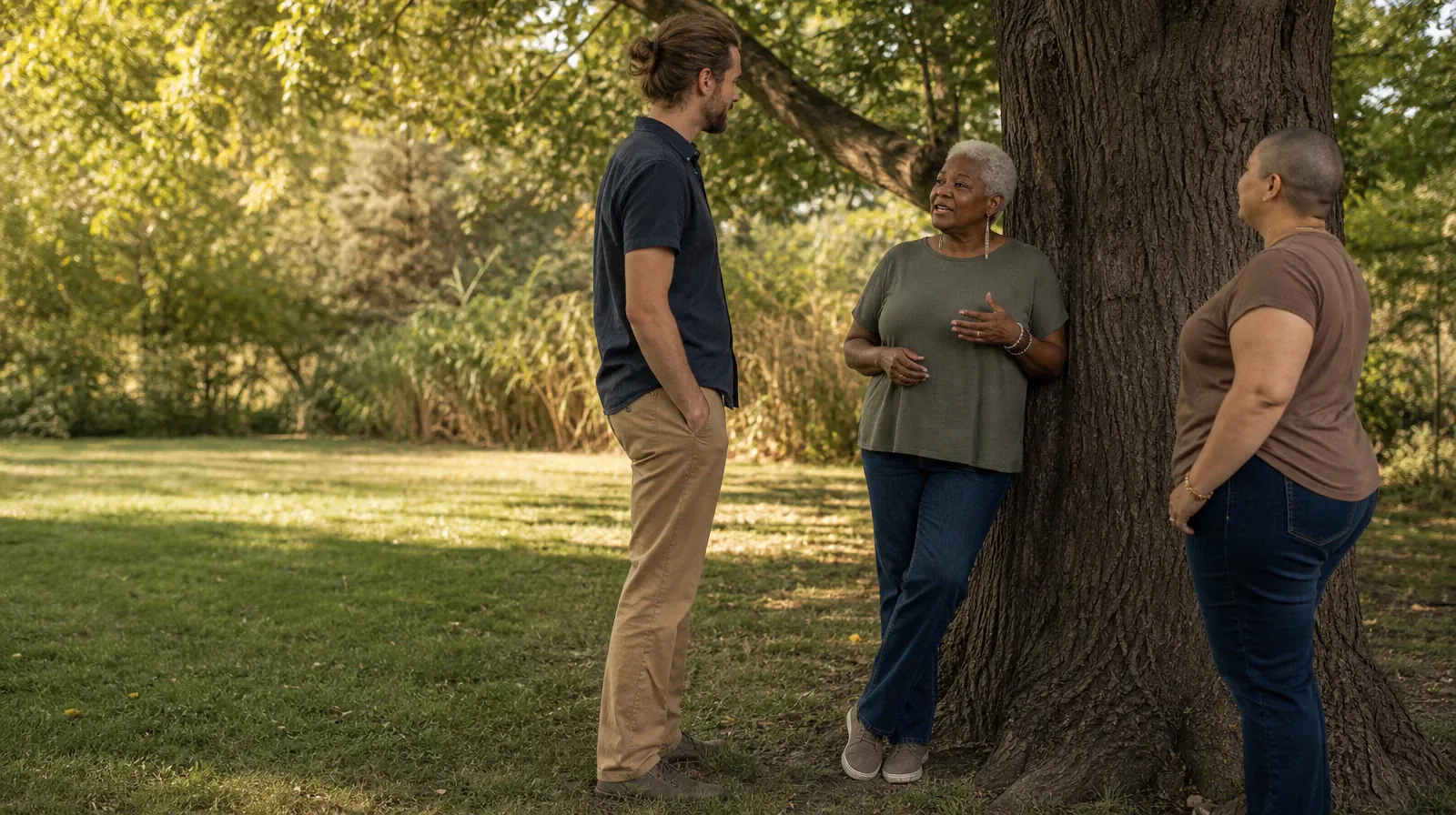
Format differences
Individual and group DBT formats in South Florida
Individual and group DBT have different formats. Dialectical behavior therapy describes an approach that works with emotions, thoughts, behavior, and relationships. Florida Helps programs address adult drug and alcohol detox and residential addiction treatment in Miramar; that program information does not establish DBT availability.
In individual DBT, the work centers on one person’s concerns, experiences, and goals. A one-to-one setting can create room to focus on a person’s own patterns and the situations that matter to them. This is a general description of the format, not a claim that Florida Helps offers individual DBT.
Group DBT skills training brings people together to learn skills. A group setting gives participants a shared learning context, while individual therapy focuses on a person’s own circumstances. Neither format is automatically the right fit for everyone; needs and the treatment setting matter.
Sources
- Different settings: Individual work centers on a person’s own experiences; group skills training offers a shared learning setting.
- Keep scope clear: The formats are general DBT education, not a list of Florida Helps therapy services.
Approach and skills
How DBT combines acceptance, change, and skills
DBT information describes an approach that balances acceptance with change. Adult addiction treatment at Florida Helps is a separate service context: the facility provides detox and residential care for drug and alcohol concerns, with co-occurring support within those programs. DBT education alone doesn’t establish that the facility offers this therapy.
Acceptance and change are both part of DBT. The approach works with patterns in emotions, thoughts, behavior, and relationships. That combination can help explain why DBT includes both understanding what is happening and developing practical ways to respond differently. These are general features of the therapy, not a promise of a particular result.
DBT skills training covers mindfulness, distress tolerance, emotion regulation, and interpersonal effectiveness. Distress tolerance addresses getting through painful situations without turning to harmful behavior, including substance use.
Sources
- Two parts of the approach: DBT brings acceptance and change together while addressing patterns in several areas of life.
- Practical focus: Its skills categories offer a way to understand what DBT education covers.
Learning in each format
How individual and group DBT explore the same skills
Individual and group DBT formats can explore the same broad skill areas in different settings. Florida Helps’ adult programs focus on drug and alcohol detox and residential addiction treatment in Miramar. General information about therapy formats should not be mistaken for a claim that either DBT format is part of those programs.
A skill such as emotion regulation can be considered in relation to a person’s own experiences in individual therapy. In a group skills setting, the focus is learning skills alongside other participants. The format changes the setting for learning, but the general DBT skill areas remain mindfulness, distress tolerance, emotion regulation, and interpersonal effectiveness.
For someone concerned about substance use, DBT’s distress tolerance topic is relevant as general education because it addresses painful situations and harmful behavior, including substance use. That connection does not mean DBT is the only option or that a particular DBT service is available at a treatment facility.
Sources
- Same topic, different setting: Individual and group formats can approach the same skill area from different settings.
- Understand the distinction: DBT’s relationship to substance use is educational context, not a service claim.
Needs and setting
Choosing a DBT format and treatment setting
DBT formats differ in how learning is organized, while the broader treatment setting also matters. Florida Helps provides adult detox and residential addiction treatment in Miramar, with co-occurring support only within those programs. These facts describe the facility’s treatment scope, not an individual or group DBT offering.
A person’s needs and the care setting shape which approach may fit. Treatment can involve more than one type of care, depending on those needs. Residential care means living at a treatment program; inpatient care generally means staying overnight in a hospital or treatment program. These terms describe settings, not a DBT format.
Florida Helps has one treatment facility in Miramar, Florida. It provides adult drug and alcohol detox and residential addiction treatment, with co-occurring support within those programs. South Florida describes the region for this information; it does not mean there are Florida Helps facilities in other communities or that a named therapy is offered.
Sources
- Separate the decisions: A therapy format and a level or setting of care are different considerations.
- Know the location: Florida Helps’ adult addiction treatment takes place at its facility in Miramar.
A next step
Discussing adult addiction treatment in South Florida
DBT format information can help clarify what individual and group therapy generally mean. Florida Helps’ adult drug and alcohol programs provide the relevant next step if you’re considering detox or residential addiction treatment in Miramar. Admissions can discuss the care offered and your current concerns by phone.
You don’t need to settle every treatment question before reaching out. If substance use is affecting you or someone close to you, a direct conversation can help you understand whether Florida Helps’ adult detox or residential addiction treatment is relevant to the situation. Co-occurring support is part of those programs, not a separate mental health admission.
Call Florida Helps admissions at (866) 931-9677 to discuss adult drug or alcohol treatment in Miramar. The conversation is a practical next step for understanding the facility’s program scope and sharing what is happening now. You can decide what to do next based on that discussion.
Sources
- Start with the situation: A call can focus on your immediate concern and the adult care Florida Helps provides.
- Discuss care by phone: Florida Helps’ detox and residential addiction treatment are located in Miramar.
Straight answers, without pressure
Questions people often ask
You can read what feels useful and bring the rest into a private conversation.
What is the difference between individual and group DBT?
Individual DBT focuses on a person’s own experiences and goals. Group DBT skills training gives people a chance to learn and practice skills alongside others. Both formats can address emotions, thoughts, behavior, and relationships. This is general information about DBT, not a statement that Florida Helps provides either format.
Does Florida Helps offer individual or group DBT?
Florida Helps provides adult drug and alcohol detox and residential addiction treatment in Miramar. Mental health support is available only within those programs. Call admissions at (866) 931-9677 to discuss the care offered and whether it may fit your concerns.
What skills are part of DBT?
DBT skills training includes mindfulness, distress tolerance, emotion regulation, and interpersonal effectiveness. These areas relate to paying attention, getting through painful situations without harmful behavior, managing emotions, and communicating with others. The skills are part of general DBT education; they don’t establish a particular program or therapy service at Florida Helps.
Can DBT be combined with addiction treatment?
A person’s treatment may involve more than one type of care, depending on their needs. DBT is a distinct therapy approach. Florida Helps provides adult drug and alcohol detox and residential addiction treatment, with co-occurring support within those programs. Call to discuss the care available.
Educational information for adults and loved ones. A qualified professional can help apply it to your health and circumstances. Editorial oversight: Tim Francis.