
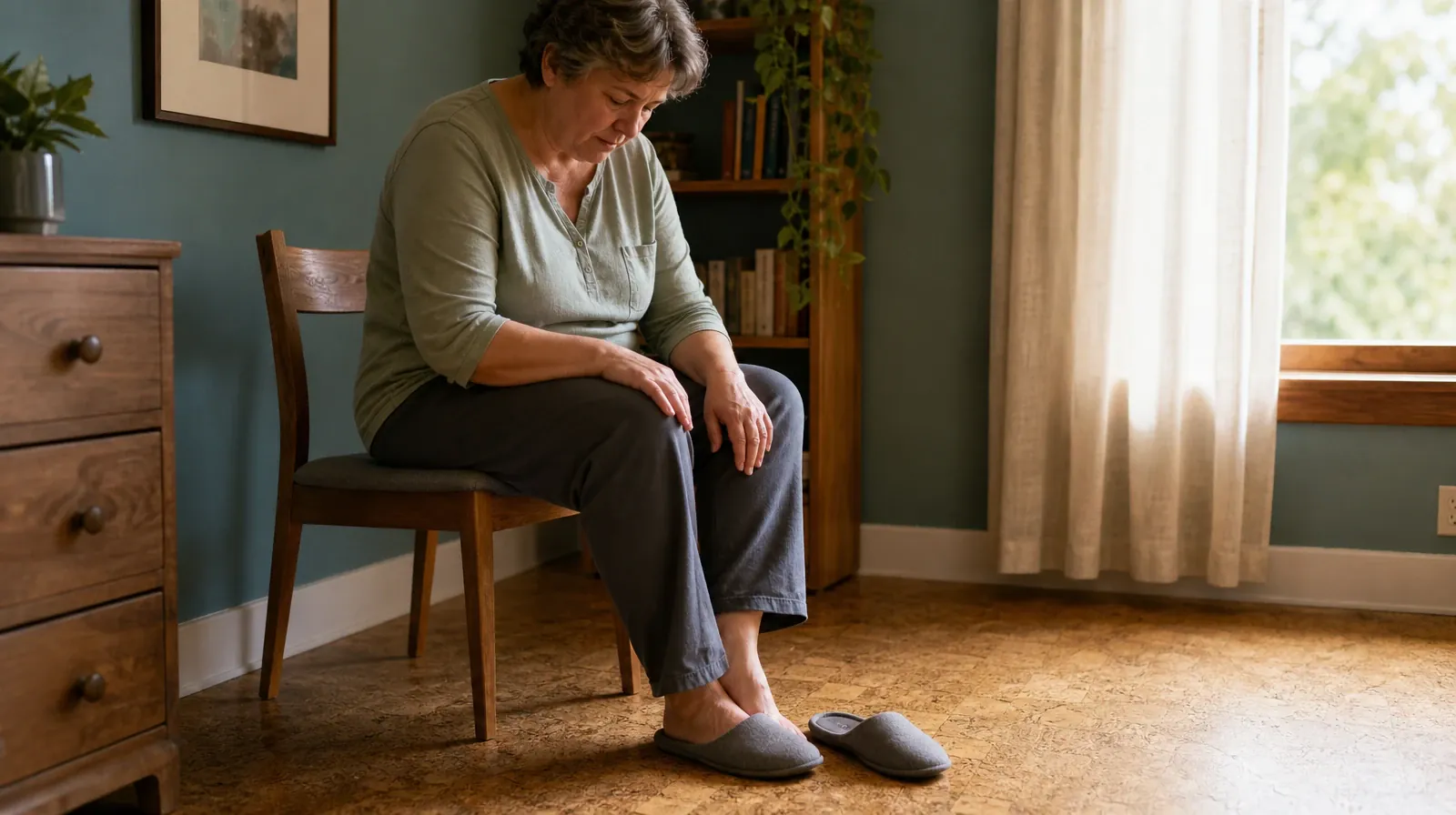
A familiar starting point
How daily routines in South Florida can make therapy ideas concrete
Daily routines can give you a familiar place to notice what is happening in your thoughts, feelings, and behavior. Explore experiential approaches for context, or see Florida Helps adult programs for the facility’s treatment scope. A routine is not a therapy on its own; it can be a useful starting point for reflection.
A day is made up of repeated moments: getting ready, sharing a meal, taking a break, or settling in at night. Paying attention to how those moments feel can help you notice patterns that are otherwise easy to miss. In therapy, a pattern can become something to describe and reflect on rather than something you have to sort out alone.
That reflection may connect with practical topics such as coping with stress, solving problems, or communicating with other people. A therapist may also help you notice how thoughts affect emotions and behavior. The aim is not to make every day perfect; it is to understand what is troubling you and consider a more helpful response.
Sources
- Start with the everyday: A familiar routine can make an abstract concern easier to describe and reflect on.
- Make patterns clearer: Reflection can connect thoughts and feelings with practical coping or communication skills.
From experience to reflection
Experiential approaches in South Florida: linking experience with change
Therapy can use something you experience as a way to explore troubling thoughts, emotions, or behavior. Read about experiential approaches, and review adult treatment at Florida Helps to understand the facility’s scope. This general therapy idea does not mean a particular method or session is offered at the Miramar facility.
Psychotherapy commonly helps people identify and change troubling thoughts, emotions, and behaviors. It may happen individually or in a group. One example, cognitive behavioral therapy, focuses on noticing automatic thoughts, considering how they influence feelings and actions, and changing unhelpful patterns. These are general therapy concepts, not a description of a Florida Helps service.
The experience itself is only part of the process. Reflection can help connect what happened with what you thought, felt, or did. Depending on the person and therapist, therapy may also include coping with stress, problem-solving, communication skills, or tracking patterns. More than one approach may be combined when it suits the person’s needs and the therapist’s training.
Sources
- Look at the connection: Therapy can connect lived experience with thoughts, feelings, and behavior.
- There is no single template: Approaches vary with individual needs and the therapist’s training.
An everyday example
A daily routine in South Florida as a point for reflection
An ordinary moment can offer a concrete example of a thought or feeling you want to understand. Learn about experiential approaches and visit Florida Helps adult programs for information about its care. The value is in what the experience helps you notice and discuss, not in following a perfect routine.
Imagine that a familiar part of the day tends to feel stressful. You might notice what is on your mind, how you feel, and what you do next. In therapy, those details can help you explore a pattern and consider whether a different response could be more useful. This example explains a general reflection process, not a prescribed exercise.
Daily routines and experiential approaches in South Florida can be a way to think about how everyday life and therapy may connect. The routine itself does not diagnose a problem or guarantee change. What matters is making room to understand the experience and, where appropriate, connect that understanding with coping, problem-solving, or communication skills.
Sources
- Use a real moment: A routine can supply a real-life example to discuss, without turning it into a test.
- Notice without judging: Reflection can help clarify what is happening and what might be worth changing.
Personal needs come first
Finding an approach that fits your needs in South Florida
Therapy works best as a conversation shaped around the person’s needs, not a one-size-fits-all routine. See the broader therapy topic and Florida Helps’ adult program scope. Feeling comfortable and building trust matter when discussing personal experiences, and the fit of an approach can be revisited over time.
People bring different concerns and preferences to therapy. A treatment approach may be tailored to the person’s needs and the therapist’s training, and more than one approach may be combined. Feeling comfortable enough to talk about personal experiences matters. If an approach does not feel like a good fit, that fit can be revisited in the therapeutic relationship.
If you are looking into care for yourself or someone close to you, it can help to separate general therapy education from the actual treatment setting. Florida Helps provides adult drug and alcohol detox and residential addiction treatment in Miramar, with co-occurring support within those programs. The facility’s scope does not establish a specific experiential therapy offering.
Sources
- Fit matters: Personal needs, training, trust, and comfort all matter in therapy.
- Understand the setting: Florida Helps’ adult care is based at its Miramar facility.
A direct next step
Discussing adult treatment in South Florida
Learning about therapy can help you name what you hope to understand, while the right level of care depends on the concern and the treatment setting. Read more about experiential approaches, then review Florida Helps adult programs. For questions about adult drug or alcohol care, a call to admissions is a direct next step.
Florida Helps provides adult drug and alcohol detox and residential addiction treatment at its facility in Miramar. Co-occurring support is available only within those adult programs. South Florida describes the wider region; it is not a separate facility location. Information about general psychotherapy does not mean that Florida Helps offers a particular named therapy or daily routine.
If you are weighing care for yourself or a loved one, you do not need to have every detail settled before reaching out. A conversation with admissions can focus on what is happening and the adult care Florida Helps provides. Call (866) 931-9677 to discuss whether the program may fit the concern.
Sources
- Get clear on the care: Admissions can discuss the adult detox and residential treatment offered in Miramar.
- Start with what is happening: A conversation can help you understand the next step without assuming a diagnosis.
Straight answers, without pressure
Questions people often ask
You can read what feels useful and bring the rest into a private conversation.
What does an experiential approach mean in therapy?
It means using an experience, thought, feeling, or behavior as a starting point for reflection and change. Therapy may also involve coping skills, problem-solving, communication, or tracking patterns. The approach depends on the person’s needs and the therapist’s training; the term alone doesn’t describe a specific service at Florida Helps.
Can daily routines help with recovery?
Routines can offer concrete moments to notice thoughts, emotions, and behavior. For example, reflecting on how a familiar part of the day feels may help make a pattern easier to discuss in therapy. A routine isn’t a treatment by itself, and its usefulness depends on the person and the care they receive.
Does Florida Helps offer a specific experiential therapy?
Florida Helps provides adult drug and alcohol detox and residential addiction treatment in Miramar. Co-occurring support is part of those programs. The phrase “experiential approach” doesn’t establish that a particular therapy, schedule, or method is offered. Call admissions at (866) 931-9677 to discuss the care and the concern you have.
Where is Florida Helps located?
Florida Helps has a facility in Miramar, Florida, at 3600 Red Road, Suite 501-A, Miramar, FL 33025. South Florida describes a broader region, not another facility location. If you’re considering adult drug or alcohol care, call admissions to discuss the program and whether it may fit your situation.
Educational information for adults and loved ones. A qualified professional can help apply it to your health and circumstances. Editorial oversight: Tim Francis.