
Understand the difference
Peer support during addiction treatment in Miramar, FL: shared experience and clinical care
Peer recovery support for Addiction Treatment in Miramar, FL concerns practical perspective from shared experience, while psychotherapy provides clinical care. Understanding therapy approaches in addiction care alongside adult detox and residential treatment helps you see why feeling understood and receiving treatment serve different needs.
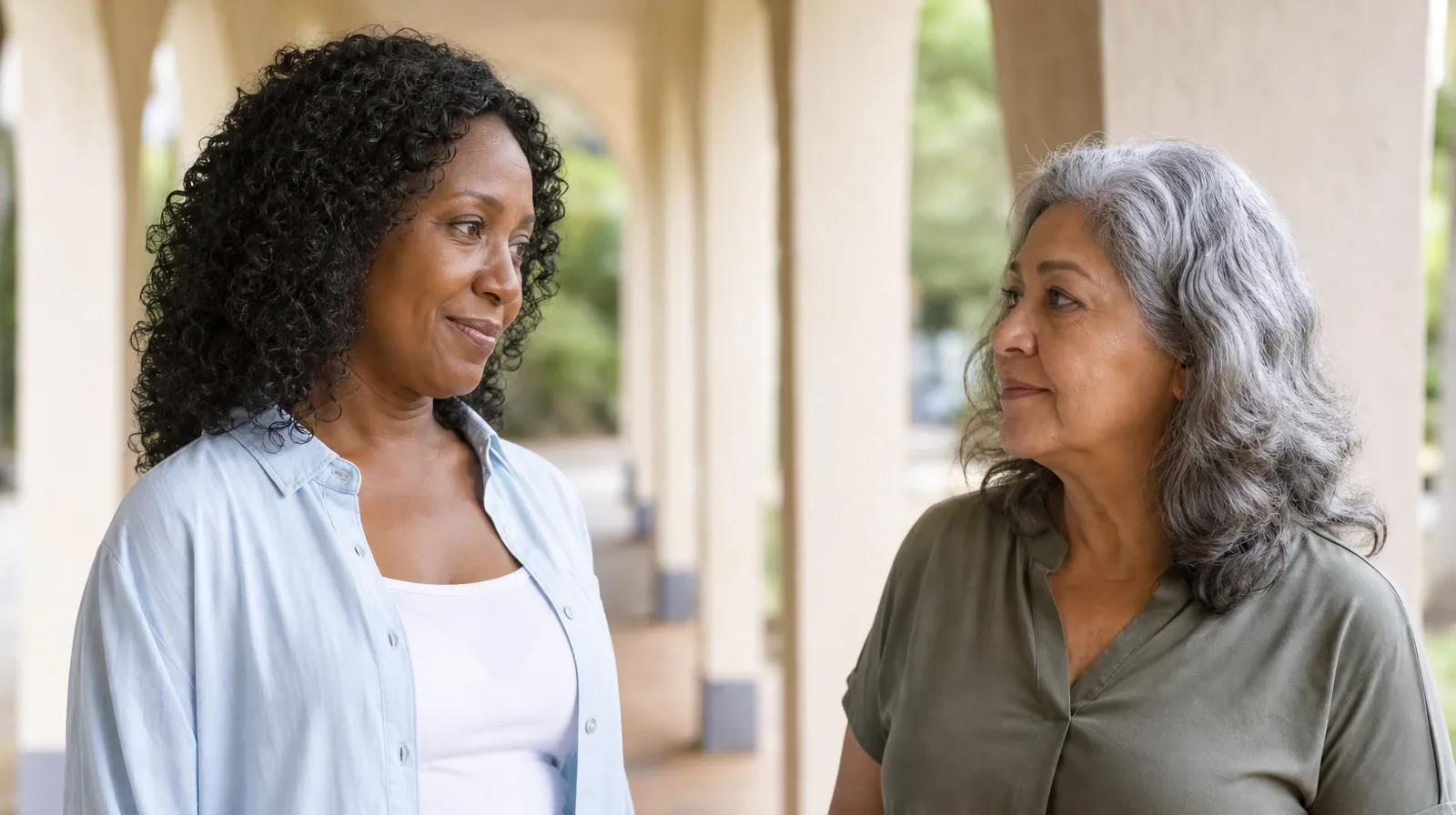
When drug or alcohol use is affecting your days, a conversation with someone who relates may feel less isolating. Peer support centers on that kind of human connection. Its value isn't having someone make decisions for you. It's having room to hear another perspective while keeping your own choices in view.
Psychotherapy has a different purpose. It aims to help people identify and change troubling thoughts, emotions, and behaviors, often individually or in groups. If you're weighing care, that distinction matters: feeling heard is meaningful, and clinical treatment addresses concerns that a shared experience alone doesn't resolve.
Sources
- Connection has a role: Shared experience can give a recovery conversation a practical focus without turning it into clinical treatment.
- Treatment has a different purpose: Psychotherapy focuses on troubling thoughts, emotions, and behaviors rather than relying on personal experience alone.
Bring recovery into daily life
Recovery support alongside addiction care in Miramar, FL: everyday choices
A broad goal like changing your relationship with alcohol or drugs can feel hard to translate into today. Alongside education about therapy and recovery and adult addiction treatment options, a peer conversation can put attention on one practical choice rather than solving everything at once.
For example, a general peer conversation might explore what makes an ordinary evening difficult or what helps someone stay connected to their recovery goals. The useful part is the everyday perspective. You can consider an experience without treating it as an instruction or assuming another person's path must become yours.
Clinical therapy may also address everyday concerns, but through a treatment approach. Coping with stress, solving problems, and building communication skills are examples of topics psychotherapy may include. Those skills connect treatment to real situations, so the conversation isn't limited to describing what's wrong or retelling difficult experiences.
Sources
- Make the goal concrete: A practical conversation can focus on a manageable choice instead of an entire recovery journey.
- Keep your own voice: Another person's experience offers perspective, not a set of instructions you have to follow exactly.
Know what each conversation does
Peer recovery conversations and therapy in Miramar, FL
Peer and psychotherapy conversations may touch on similar experiences, but they approach them differently. Psychotherapy education explains the clinical purpose, while Florida Helps adult treatment programs place care in the context of detox and residential treatment. You don't have to treat every supportive conversation as the same kind of help.
A peer might relate to the frustration of wanting change while finding familiar routines hard to leave behind. A therapist may work with thoughts, emotions, and behaviors connected to that difficulty. The difference is not which conversation feels warmer. It is the purpose and responsibility behind each kind of support.
Cognitive behavioral therapy is one educational example. It helps people notice harmful or inaccurate automatic thoughts and consider how those thoughts influence emotions and behavior. This illustrates why therapy involves more than advice: it uses an approach to examine patterns and work on changing unhelpful responses over time.
Sources
- Look beyond the tone: Feeling comfortable in a conversation matters, but warmth alone doesn't make a conversation clinical treatment.
- Understand the clinical role: Therapy can connect thoughts, emotions, and behavior rather than focus only on encouragement or advice.
Connect support with care
Peer support and adult addiction treatment in Miramar, FL
Peer support may complement treatment, but it doesn't replace clinical care. Florida Helps provides adult drug and alcohol detox and residential treatment; therapy and recovery education can help you understand related concepts. Peer-support examples describe general support, not a specific Florida Helps offering.
Detox addresses the withdrawal stage of drug or alcohol care. Residential treatment gives adults a place to focus on addiction treatment while staying in a treatment setting. These are different from an occasional supportive conversation. They put the need for care at the center rather than relying on encouragement alone.
Florida Helps is located at 3600 Red Road, Suite 501-A, Miramar, FL 33025. Its adult addiction care also includes support for co-occurring mental health concerns within detox and residential treatment. If substance use is making daily life harder, you can seek help without waiting for the situation to become a crisis.
Sources
- Give treatment its place: Adult detox and residential treatment address care needs beyond what a supportive conversation can provide.
- Take one clear step: Call Florida Helps to discuss adult addiction care when managing things alone no longer feels workable.
Consider personal needs
Finding a comfortable fit for recovery support in Miramar, FL
The right fit depends on your needs and the purpose of the support. Through therapy education for adults and information about detox and residential care, you can understand the difference between personal comfort and treatment needs. Both deserve attention when you're considering help.
Trust and comfort with a therapist matter when discussing personal experiences. You don't need to feel ready to tell your whole story at once for that need to count. Therapy also allows progress and the fit of an approach to be revisited, rather than treating the first impression as a permanent decision.
For a loved one, accepting this can be difficult. What sounds reassuring to you may feel different to the person considering care. You can remain supportive without choosing their feelings for them. The immediate goal can be smaller than agreement on everything: making room for a conversation about adult treatment.
Sources
- Make room for both: Comfort helps personal conversations, while individual needs also shape the purpose and approach of clinical treatment.
- Respect personal choices: Supporting a loved one doesn't require settling every difference about what recovery should look like.
Take the next step
Connecting recovery support with treatment goals in Miramar, FL
Supportive conversations are most useful when their purpose stays connected to what you're trying to change. Understanding therapy approaches can clarify that purpose, while adult detox and residential addiction care provide the treatment context. One conversation doesn't need to carry the weight of your whole recovery.
In psychotherapy, an approach may be tailored to a person's needs and more than one approach may be combined. Progress can also be revisited. That gives treatment a direction beyond simply repeating the same conversation: paying attention to what is being addressed and whether the approach continues to fit.
You don't need a complete plan to reach out. If you're concerned about your own drug or alcohol use, or someone you love, a phone call can start a discussion about Florida Helps adult care. Call (866) 931-9677 to discuss detox and residential addiction treatment in Miramar.
Sources
- Keep the larger purpose: A clear purpose connects individual conversations to broader treatment needs without expecting one conversation to solve everything.
- Move toward help: Start with a call about adult care, without needing to choose a therapy approach on your own.
Straight answers, without pressure
Questions people often ask
You can read what feels useful and bring the rest into a private conversation.
How is peer recovery support different from psychotherapy?
Peer recovery support focuses on shared experience and practical perspective. Psychotherapy is clinical care aimed at understanding and changing troubling thoughts, emotions, and behaviors. Both conversations can feel personal, but their roles differ. A supportive peer conversation doesn't take the place of clinical treatment for your individual needs.
What treatment does Florida Helps provide in Miramar?
Florida Helps provides adult drug and alcohol detox and residential addiction treatment in Miramar, Florida. Co-occurring mental health support sits within that addiction care. Detox addresses the withdrawal stage of care, while residential treatment provides a setting where you can focus on treatment rather than manage everything in your usual surroundings.
Do I need to know which kind of support I need?
You don't need to choose a therapy approach to start a conversation about treatment. Your immediate concern may simply be that alcohol or drug use is affecting daily life. Florida Helps offers phone admissions for adults considering detox or residential addiction care, so the next step can begin there.
Can I call about treatment for someone I love?
Yes. You can call Florida Helps about adult detox and residential addiction treatment for a loved one. You don't have to diagnose them or settle every disagreement about recovery first. Calling gives you a direct way to discuss treatment while respecting that your loved one has their own perspective and choices.
Educational information for adults and loved ones. A qualified professional can help apply it to your health and circumstances. Editorial oversight: Tim Francis.