
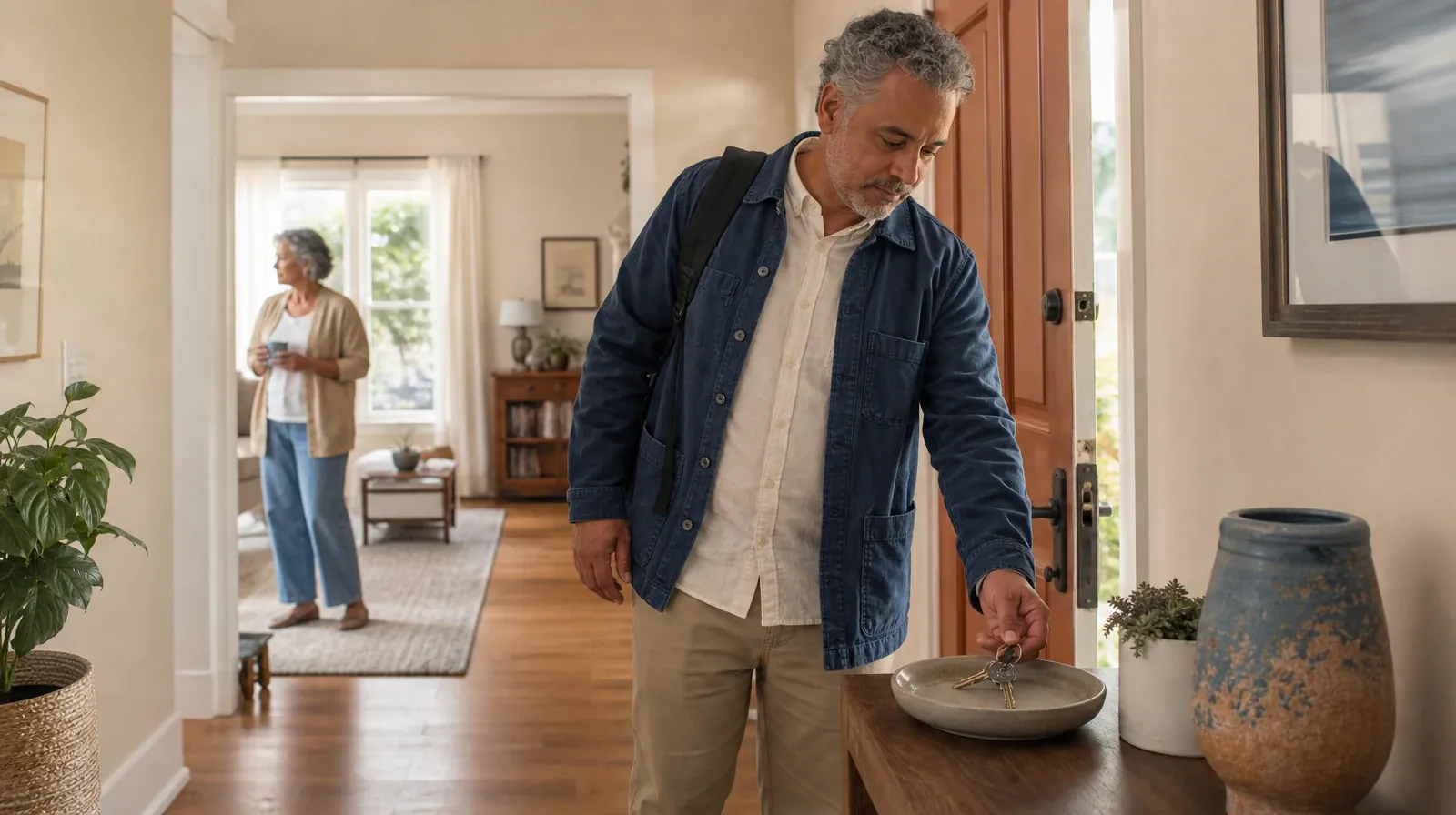
Understanding the transition
Returning home after treatment in South Florida
Support for Haitian Creole-speaking adults and adult addiction treatment options can help you understand what care may involve. Returning home is a transition, not a single test of readiness. Your needs and choices matter as you consider what support makes sense now.
A return to familiar surroundings can feel different after treatment. Daily routines, relationships and responsibilities may all be part of the adjustment. There is no single experience that applies to every adult. You can take time to consider what feels manageable and what kind of support you want to explore.
Treatment can involve more than one type of care, depending on a person’s needs. Residential care means living at a treatment program, while inpatient care generally means staying overnight in a hospital or treatment program. These definitions can help clarify care settings without deciding what is right for you.
Sources
- Take it step by step: Returning home is a transition; it doesn’t require you to have every next step settled.
- Keep your choices central: Your preferences and needs are part of the conversation about care.
Language and personal preferences
Haitian Creole-speaking adults and connection during a transition
Information for Haitian Creole-speaking adults and details about adult treatment can provide a starting point for understanding available care. Language and cultural connection can shape comfort, but neither determines what treatment a person needs. Each adult’s circumstances and preferences are personal.
Being understood can matter when discussing a difficult or personal experience. You or your loved one may value familiar language, cultural connection, or the presence of trusted family. Those preferences are worth recognizing, while avoiding assumptions about what any one person wants or needs.
Returning home after treatment can bring practical and emotional changes. A person may want space, company, or help with ordinary routines. The right kind of support is individual. Talking openly with the adult, while respecting their choices, can make room for their own priorities.
Sources
- Respect the individual: Cultural connection may matter to someone, but it does not define their needs.
- Listen without assuming: Let the adult’s preferences guide how loved ones offer support.
The adult’s decision
Adult choices about treatment in South Florida
Read about support for Haitian Creole-speaking adults and adult drug and alcohol treatment to understand the choices being considered. The adult returning home remains in control of the care decision. A family member can care deeply and still leave that decision with the person whose life and health are involved.
A loved one may want to help by finding information or offering company. Support can also mean respecting a request for privacy or giving someone time to decide. You don’t have to persuade an adult to seek care in order to show that you care about them.
Florida Helps provides adult drug and alcohol detox and residential addiction treatment at its facility in Miramar, Florida. Co-occurring support is part of those programs. A call can help you learn about this care and consider whether it is relevant to the situation; it does not commit anyone to treatment.
Sources
- Honor personal agency: An adult can consider care without a family member making the decision.
- Know the treatment setting: Florida Helps provides adult detox and residential addiction treatment in Miramar.
Everyday support
Practical support for returning home after treatment
Explore support for Haitian Creole-speaking adults and learn about adult addiction care as you consider what practical support might mean. Structure can help make day-to-day choices clearer, but it should respect the adult’s preferences. Small, realistic steps may feel more useful than trying to settle everything at once.
A predictable routine can give shape to the day, while leaving room for the adult to decide what works. Loved ones may offer help with ordinary tasks or spend time together if that is welcome. There is no one routine that fits every person returning home.
Therapy and counseling may take place one-to-one or in groups, and commonly focus on healthier ways to cope and change patterns. Medication can be part of treatment for some substance use disorders and should be discussed with a qualified health professional. These are general treatment possibilities, not a statement that a specific service is offered at Florida Helps.
Sources
- Make support personal: Practical help is most useful when it fits the adult’s wishes and daily life.
- Understand the possibilities: Treatment approaches vary; individual needs shape which options are considered.
A conversation about care
Learning about treatment options in South Florida
Find information for Haitian Creole-speaking adults and review Florida Helps adult programs to get a clearer picture of care. Learning what each option involves can be a useful next step, whether you are planning ahead, supporting someone you love, or simply trying to understand the choices.
Returning home after treatment does not mean you must stop seeking information or support. The phrase can describe a transition, not a judgment about readiness or a promise that every challenge is resolved. Your next step can be learning about care and deciding what feels appropriate for you.
Florida Helps offers adult drug and alcohol detox and residential addiction treatment in Miramar. If you want to understand those programs, call admissions at (866) 931-9677. You can share what is happening and hear about the care; the decision about what comes next remains yours.
Sources
- Get clear information: Learning about adult treatment can help you make a more informed decision.
- Choose your next step: A call can begin a conversation without deciding the outcome in advance.
Straight answers, without pressure
Questions people often ask
You can read what feels useful and bring the rest into a private conversation.
What does returning home after treatment involve?
Returning home can mean adjusting to familiar routines while deciding what support feels useful now. Treatment may involve more than one type of care, depending on a person’s needs. If you or someone you love is considering treatment, call Florida Helps to discuss its adult detox and residential addiction care in Miramar.
Does speaking Haitian Creole determine which care is right?
No. Language and cultural connection may shape how comfortable someone feels, but they don’t determine which care is appropriate. Treatment choices depend on individual needs. Florida Helps provides adult drug and alcohol detox and residential addiction treatment in Miramar; call to talk about the care and the concern that brings you here.
Can a family member make the decision for an adult?
An adult remains in control of personal care decisions. Loved ones can offer support while respecting that choice. A phone conversation with Florida Helps can help an adult or concerned family member learn about the facility’s adult detox and residential addiction care in Miramar, without assuming that treatment is the next step.
What is the difference between residential and inpatient care?
Residential care means living at a treatment program. Inpatient care generally means staying overnight in a hospital or treatment program. The terms describe different care settings, and a person’s needs matter when considering options. Call Florida Helps to learn about its adult residential addiction treatment and detox program in Miramar.
Educational information for adults and loved ones. A qualified professional can help apply it to your health and circumstances. Editorial oversight: Tim Francis.