
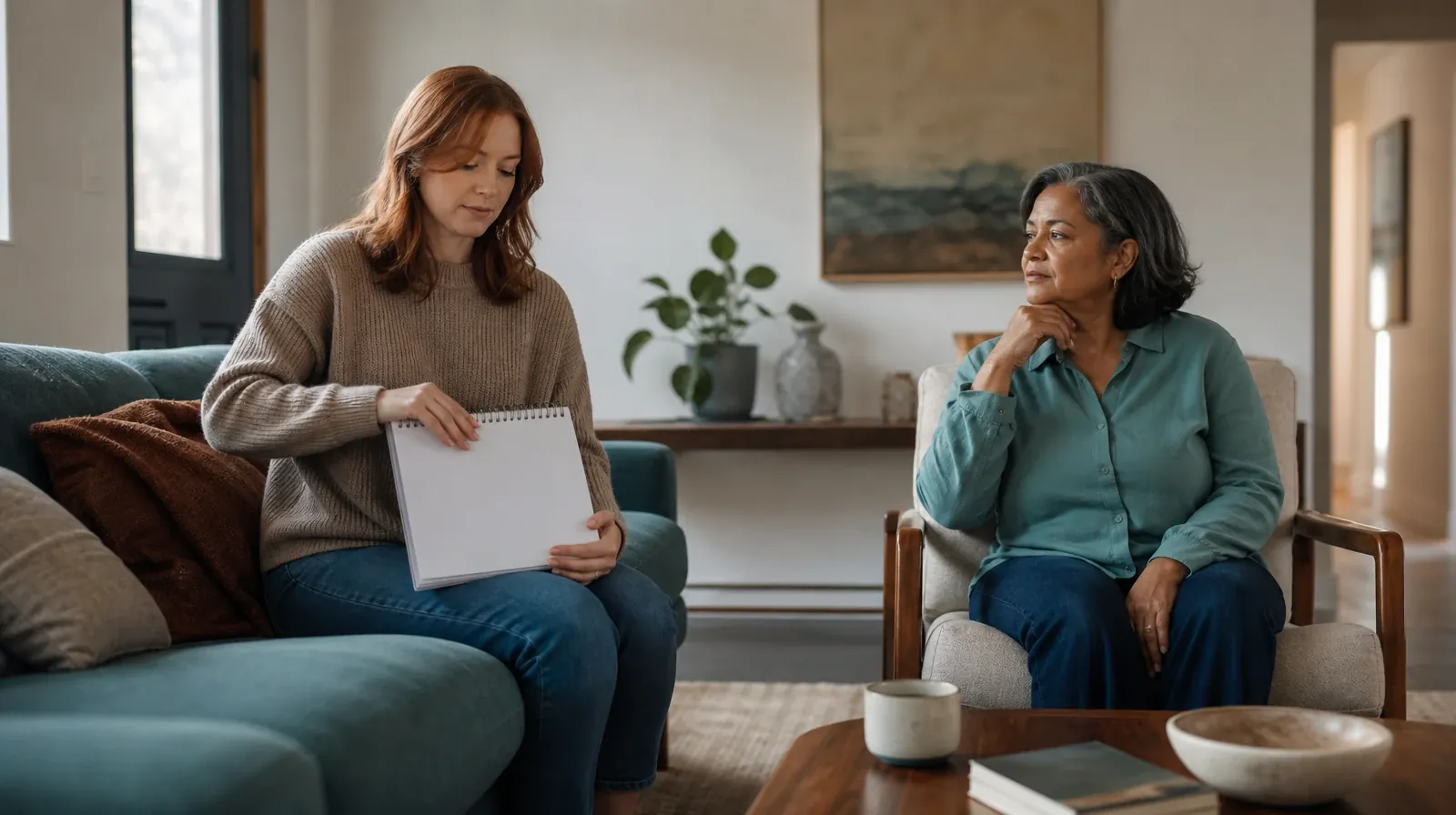
Family support
Returning home after treatment in South Florida is an adjustment
Support for loved ones and information about Florida Helps programs can give you context as your family adjusts. Returning home is not a test your loved one has to pass. Daily routines and relationships may take time to settle, and each person can experience the transition differently.
You may feel hopeful and still wonder how to help. Your loved one may want time to settle into ordinary routines before discussing treatment or the future. A caring response can leave room for both of those realities. Listen without pressing for details, and let your loved one decide what they want to share.
There is no single measure of a successful return home in the information available here. Try not to treat every difficult day as proof that the transition has failed. A calm, steady presence can make it easier to talk when your loved one is ready, while respecting their privacy and pace.
Sources
- Make room for adjustment: Returning home is a transition, not a pass-or-fail moment for your family.
- Offer steady support: Keep connection open without asking your loved one to explain everything.
Daily life
Rebuilding daily life after treatment in South Florida
Guidance for loved ones and an overview of adult treatment programs can help you understand the difference between family support and professional care. Everyday life can be rebuilt through manageable routines and personal choices. A return home does not mean everything must be figured out at once.
A familiar routine can provide structure, but it should fit the person living it. Your loved one may choose which responsibilities or activities to take on and when. You can help by keeping expectations clear and offering practical support when it is welcome, rather than setting a schedule on their behalf.
Treatment can involve different types of care depending on a person’s needs. SAMHSA describes residential care as living at a treatment program, and notes that therapy or counseling may happen one-to-one or in groups. Those general descriptions don’t establish a specific service after someone returns home or mean a particular service is offered by Florida Helps.
Sources
- Start with ordinary life: Small, chosen routines can help make the day feel more manageable.
- Keep expectations flexible: Support should reflect your loved one’s needs and choices, not a fixed plan.
Personal choice
Personal choices after addiction treatment in South Florida
Family guidance and details about Florida Helps adult care offer different kinds of information. Your loved one remains the decision-maker about personal care. You can share concern and care, but you do not need to take control of their choices in order to stay involved and supportive.
It can be hard to balance concern with respect for someone’s independence. Focus on what your loved one is comfortable discussing, and avoid treating private details as something you are owed. A respectful conversation can acknowledge that you care while leaving decisions about treatment and personal information with the adult receiving care.
If questions about treatment arise, reliable information can help make the options easier to understand. SAMHSA explains that care may involve more than one type of treatment, depending on a person’s needs. This general information is not a recommendation for your loved one; their care decisions belong to them and should be discussed with qualified professionals.
Sources
- Respect their agency: You can show care without directing another adult’s treatment choices.
- Keep the conversation open: Share accurate information as an offer, not as pressure to decide.
Practical help
Practical family support after treatment in South Florida
Loved-one resources and information about available adult care can help you separate practical support from assumptions about what your family should do. Specific offers are often easier to respond to than broad promises. Let your loved one’s preferences shape the help you provide.
Practical help might mean sharing a meal, making space for quiet time, or taking care of an ordinary household task. What feels useful will vary, so offer help in a way that leaves your loved one free to accept, decline, or suggest something different. Respectful support does not require you to monitor their every move.
You can also make room for your own feelings. A loved one’s return may bring uncertainty alongside relief, and you may need support of your own. Talking with someone you trust or seeking family resources can help you stay grounded without placing the burden of your worry on the person who has just returned home.
Sources
- Make support practical: Offer one concrete kind of help and let your loved one choose.
- Care for yourself: Your well-being matters, too; seek support without shifting responsibility.
Treatment information
Finding treatment information for loved ones in South Florida
Florida Helps loved-one resources and details about adult drug and alcohol treatment can help you understand the care Florida Helps provides. The facility is in Miramar, Florida, and offers adult drug and alcohol detox and residential addiction treatment. If you’re considering care, a phone conversation can help you understand the program and discuss your family’s concern.
Returning home can raise questions about what kind of support may be useful next. Florida Helps provides adult drug and alcohol detox and residential addiction treatment in Miramar. Co-occurring support is available only within those programs. The program information can help you understand this treatment setting; it does not describe a separate service for people after they have returned home.
You can call Florida Helps at (866) 931-9677 to discuss adult care and your family’s situation. A call can be a straightforward first step toward understanding the treatment offered, without assuming that your loved one has decided to enroll. You can take the information in and decide what, if anything, comes next.
Sources
- Get clear information: A direct conversation can clarify what adult treatment Florida Helps provides.
- Take one next step: Call when you’re ready to discuss your family’s concern and possible care.
Straight answers, without pressure
Questions people often ask
You can read what feels useful and bring the rest into a private conversation.
What can I expect when my loved one returns home after treatment?
Returning home often means adjusting to familiar routines and relationships after time in treatment. There isn’t one timeline or single way it should feel. Your loved one remains in charge of personal care decisions, while family support can be steady, respectful, and guided by what they choose to share.
How can I support my loved one without taking over?
Offer practical help and listen to what your loved one says would be useful. You can show care without making decisions for them or expecting them to share private details. Small, consistent gestures may help make home life feel more manageable while your loved one chooses their own next steps.
Does Florida Helps provide care after someone returns home?
Florida Helps provides adult drug and alcohol detox and residential addiction treatment in Miramar. Mental health support is provided only within those programs for co-occurring needs. The information provided here doesn’t establish a separate aftercare program. Call to discuss the care available and whether it may fit your family’s situation.
Can I call even if my loved one hasn’t decided to seek treatment?
Yes. You can call Florida Helps to talk about adult drug and alcohol detox and residential addiction treatment, even if your loved one hasn’t made a decision. A call is a chance to discuss the concern and learn about the program; it doesn’t enroll or commit anyone to care.
Educational information for adults and loved ones. A qualified professional can help apply it to your health and circumstances. Editorial oversight: Tim Francis.