
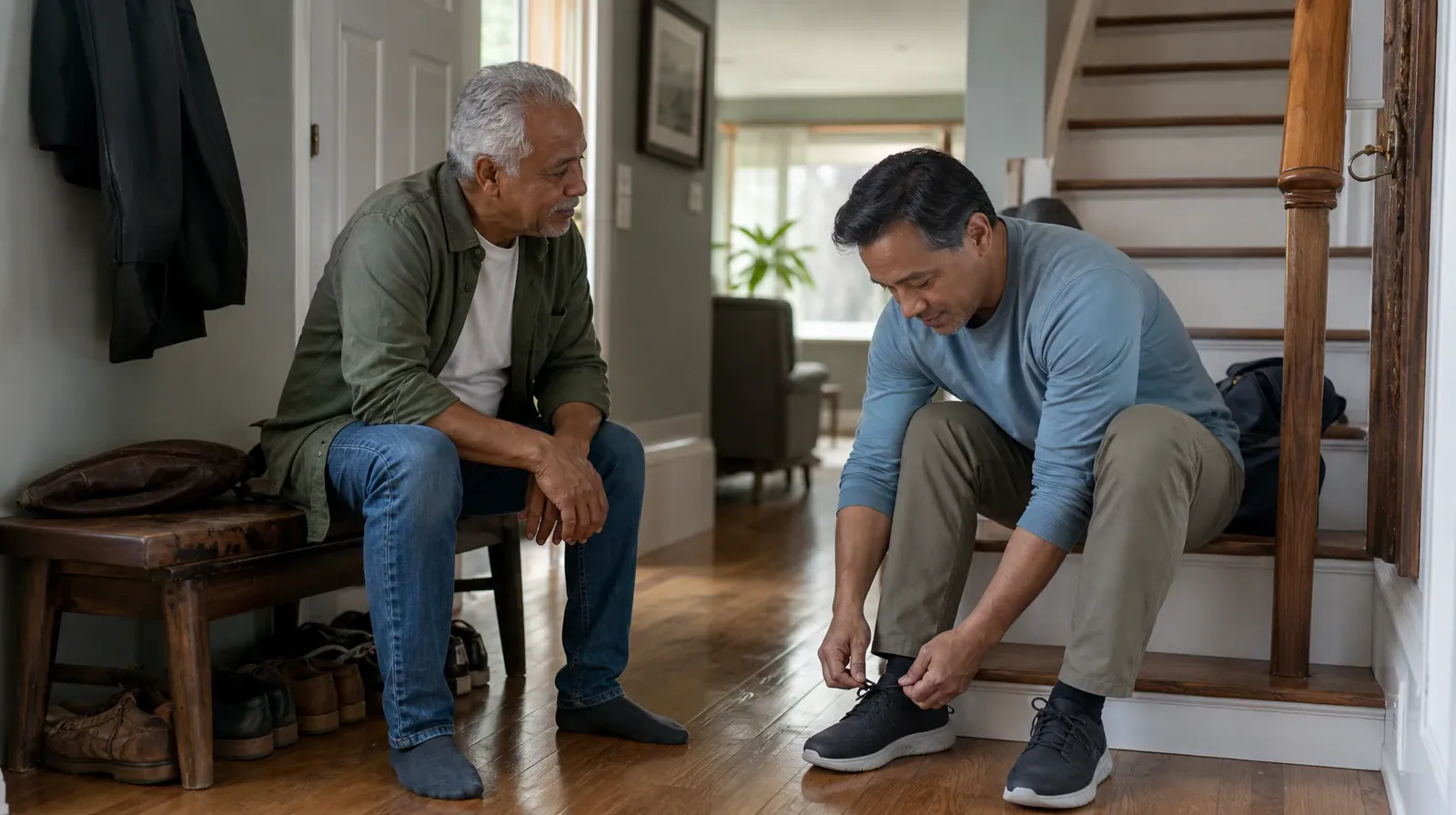
Coming home
Returning Home After Treatment in South Florida: The Adjustment
Support for young adults and adult treatment programs can help you understand the different parts of this transition. Returning home is not one finish line that settles every concern. Daily life changes again, and you and your loved one may need time to work out what feels manageable and what support makes sense now.
Coming home can mean reconnecting with family, handling ordinary responsibilities, and getting used to a different routine. Those changes can feel hopeful and unsettled at once. You don’t need to label the experience or have every next step settled today. It can help to focus on the immediate concern and make room for an honest conversation.
Returning Home After Treatment for Young adults 18+ in South Florida can involve different needs for the person coming home and the people who care about them. Try to leave space for both independence and support. A loved one can show care without assuming they know what the person needs or taking over decisions.
Sources
- Expect an adjustment: A return home is a transition in daily life, not a single moment that answers every question.
- Keep the person central: Make space for the young adult’s voice while offering steady, practical support.
Home and treatment
Home Support and Treatment Have Different Roles
Young adult support and Florida Helps programs serve different purposes. Home may offer connection and help with everyday needs, while treatment is a structured form of care. Treatment can involve more than one type of care, depending on a person’s needs. Florida Helps offers adult drug and alcohol detox and residential addiction treatment in Miramar.
A supportive home environment does not replace treatment when a person needs professional care. Likewise, treatment is not the same as a family member offering encouragement. Knowing the distinction can help you focus on the question in front of you: whether you’re looking for practical support at home or considering a treatment program.
Residential care means living at a treatment program; inpatient care generally means staying overnight in a hospital or treatment program. These terms describe care settings, not a promise about which option suits a particular person. Florida Helps’ adult residential treatment is in Miramar, where its adult programs also include drug and alcohol detox.
Sources
- Know the difference: Family support and professional treatment can play separate, complementary roles.
- Understand residential care: Residential care involves living at a treatment program, rather than receiving help only at home.
Personal choice
Young Adults Keep Their Voice in the Next Step
Young adults and treatment and adult care options are useful starting points for understanding what is available. The adult returning home remains central to decisions about care. A concerned parent or loved one can share what they see and offer support, while avoiding assumptions about diagnosis, readiness, or what the person wants.
A caring conversation can begin with what is happening now: how the person is adjusting and what feels difficult. Listening does not require you to solve everything. If you are the young adult, you can decide what you’re comfortable sharing and consider support at your own pace. If you’re a loved one, offer concern without turning it into pressure.
Treatment choices depend on individual needs. Florida Helps provides adult drug and alcohol detox and residential addiction treatment in Miramar, with co-occurring support only within those programs. That information may help you understand the care setting under consideration, but it does not determine what is right for a particular person.
Sources
- Respect adult choice: Share concern with care, and leave room for the adult to make personal decisions.
- Keep expectations grounded: Program information can clarify the type of care, without deciding personal fit.
Everyday support
Practical Routines for Returning Home in South Florida
Young adult guidance and adult treatment information can sit alongside practical support at home. Small, clear routines may feel easier to manage than trying to solve every concern at once. Each household is different, so focus on arrangements that respect the returning adult and the people sharing the home.
A household can start with ordinary details, such as how shared responsibilities will work and how family members will communicate. Be specific and realistic. Expectations that are stated calmly are easier to understand than rules that are implied or changed without discussion. Keep the young adult involved in decisions that affect their daily life.
Returning home after treatment in South Florida can also mean reconnecting with familiar people and places. A little space to adjust may help conversations stay respectful. There is no single routine that suits everyone, and family support does not replace professional care when someone needs it. Keep the focus on what is manageable today.
Sources
- Set practical expectations: Simple, shared expectations can make everyday household responsibilities clearer.
- Allow room to adjust: Routines should support the adult’s independence and fit the household’s real needs.
Care options
Understanding Adult Treatment Options in South Florida
Young adult treatment information and Florida Helps adult programs can help you identify the type of care being considered. If the concern involves substance use, Florida Helps offers adult drug and alcohol detox and residential addiction treatment at its facility in Miramar. A call can make the program scope clearer without presuming that care is right for everyone.
Treatment can involve more than one type of care, depending on a person’s needs. Therapy and counseling may take place one-to-one or in groups and commonly focus on healthier ways to cope and change patterns. Medication can be part of treatment for some substance use disorders and must be discussed with a qualified health professional. These general facts do not mean a particular service or medication is offered at Florida Helps.
If you’re weighing treatment for yourself or a loved one, call Florida Helps admissions at (866) 931-9677. The facility is at 3600 Red Road, Suite 501-A, Miramar, Florida 33025. A conversation can help you understand the adult programs and consider what next step makes sense. Returning home after treatment for young adults in South Florida can look different for every family.
Sources
- Know the program scope: Florida Helps offers adult drug and alcohol detox and residential addiction treatment in Miramar.
- Talk with admissions: A direct call can clarify the care offered and help you consider a next step.
Straight answers, without pressure
Questions people often ask
You can read what feels useful and bring the rest into a private conversation.
Does returning home mean treatment is finished?
Returning home marks a change in daily life, but it does not by itself tell you what support should come next. Treatment can include different types of care depending on a person’s needs. Florida Helps offers adult drug and alcohol detox and residential addiction treatment in Miramar. Call to discuss the care you’re considering.
Can family members help after a young adult returns home?
A family can offer practical support while respecting the young adult’s choices and privacy. Clear, calm communication can make shared expectations easier to manage, but each person’s needs differ. If you’re concerned about substance use, Florida Helps can explain its adult detox and residential treatment programs by phone.
Does Florida Helps provide outpatient or follow-up care after someone returns home?
Florida Helps’ adult programs are drug and alcohol detox and residential addiction treatment in Miramar. The supplied program information does not establish outpatient or follow-up services. If you’re considering care for yourself or a loved one, call to talk about the programs Florida Helps offers and whether they fit the situation.
Where is Florida Helps located?
Florida Helps has one facility at 3600 Red Road, Suite 501-A, Miramar, Florida 33025. South Florida describes the region, not a network of local facilities. Call admissions at (866) 931-9677 to discuss adult drug and alcohol detox or residential addiction treatment.
Educational information for adults and loved ones. A qualified professional can help apply it to your health and circumstances. Editorial oversight: Tim Francis.