
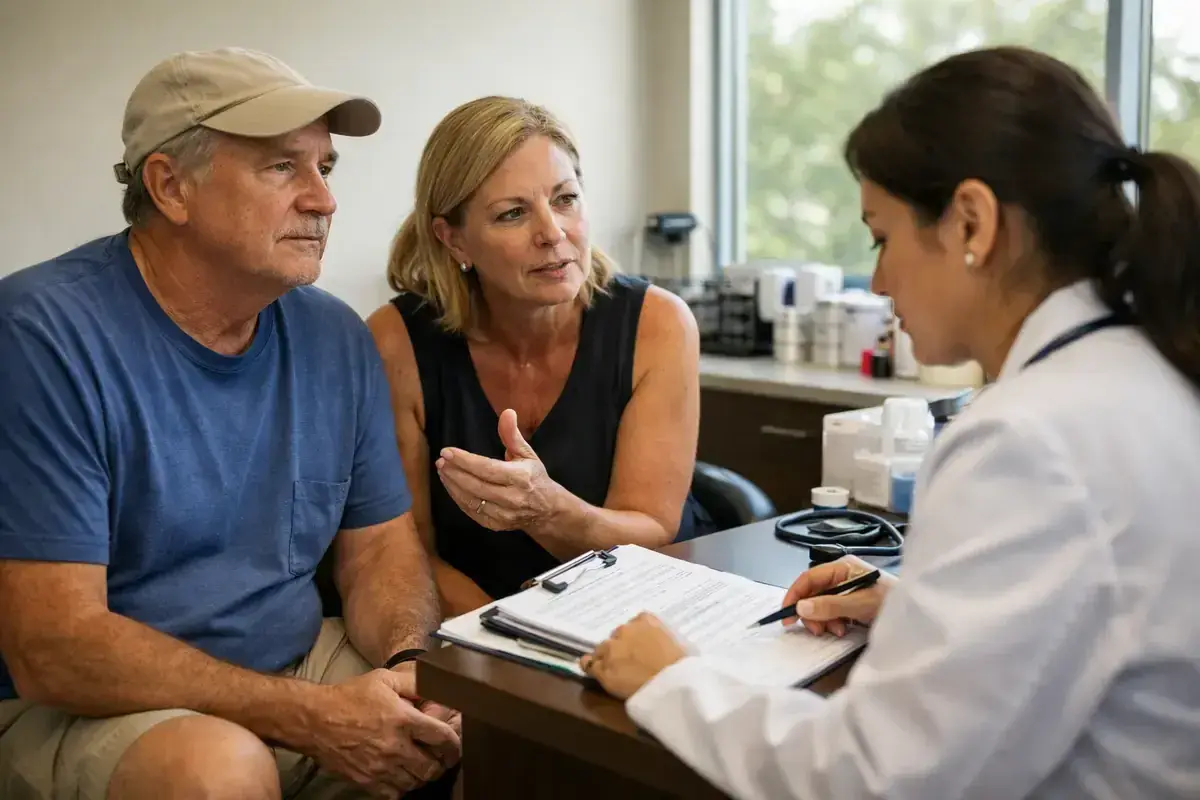
If you are trying to understand florida oxycodone prescription monitoring, you may be looking for answers after a prescription changed, a refill was denied, or concerns about misuse started at home. In Florida, prescription monitoring is part of a broader effort to reduce opioid harm while helping doctors, pharmacists, and patients make safer decisions. For families, that can feel confusing and stressful, especially when oxycodone use has already begun affecting health, mood, sleep, work, or relationships.
Florida Helps offers medically supervised detox in Florida. If withdrawal is starting or you are afraid to stop on your own, call 866-931-9677 today.
Prescription monitoring can identify patterns of concern, but it does not treat dependence, withdrawal, or the emotional toll of opioid use. When someone is relying on oxycodone to feel normal or cannot stop without getting sick, treatment may be the next step. Florida Helps provides medically supervised detox as part of an assessment-based plan of care. You can learn more at https://floridahelps.com/programs/detox/ or call 866-931-9677 to discuss options in Florida.
How Florida monitors oxycodone prescriptions
Florida uses a statewide Prescription Drug Monitoring Program called E-FORCSE, which helps track controlled substance dispensing, including oxycodone. Prescribers and pharmacists may review this database when making prescribing and dispensing decisions. In practical terms, the system can show recent controlled substance fills, multiple prescribers, overlapping medications, and refill timing that may raise safety concerns. This is especially relevant with opioids because of their risks for dependence, overdose, and difficult withdrawal.
For patients and families, florida oxycodone prescription monitoring can feel personal, but its main purpose is patient safety. A review of prescription history may lead a clinician to ask more questions, adjust a pain treatment plan, recommend closer follow-up, or suggest substance use evaluation. Monitoring does not automatically mean someone has done something wrong. It can, however, uncover a pattern that deserves prompt medical attention, particularly if oxycodone has become hard to control.
What prescription monitoring may reveal
A Florida prescription history can highlight situations that deserve careful review. Some people begin taking oxycodone exactly as prescribed and later find themselves taking extra doses, running out early, or combining medications in unsafe ways. Others may see several specialists, use different pharmacies, or receive prescriptions during emergency care and lose track of the full picture. Monitoring helps bring those details together so safer decisions can be made.
If a refill is delayed or denied after a database review, withdrawal can begin quickly in people who have developed physical dependence. That is one reason families should take the issue seriously. Oxycodone withdrawal may include muscle aches, sweating, anxiety, restlessness, stomach upset, insomnia, and strong cravings. According to NIDA and SAMHSA, stopping opioids without support can be extremely uncomfortable and may increase the risk of returning to use.
- Early refill requests that happen repeatedly
- Overlapping opioid and sedative prescriptions
- Multiple prescribers or pharmacies in a short period
- Dose escalation beyond the original plan
- Prescription histories that suggest unsafe combinations or misuse
Florida oxycodone concerns: monitoring versus treatment
| Situation | What monitoring can do | What it cannot do | Best next step |
|---|---|---|---|
| Early refills and multiple prescribers | Shows dispensing pattern | Does not stop withdrawal | Assessment for detox |
| Running out of oxycodone and feeling sick | Flags refill timing concerns | Does not manage symptoms | Medically supervised detox |
| Mixing oxycodone with other drugs | Highlights overlapping prescriptions | Does not treat overdose risk | Urgent medical review and treatment |
| Cravings and repeated relapse | May support clinician concern | Does not reduce cravings by itself | Detox followed by ongoing care |
| Family conflict around pill use | Provides objective history | Does not repair functioning | Assessment-based treatment plan |
Why Florida families should not ignore withdrawal risk
A change in prescribing can expose a hidden dependence very quickly. Someone may insist they still need oxycodone for pain, yet family members may also notice irritability, secrecy, nodding off, constipation, missed obligations, or taking pills in a way that no longer matches the label. When use has crossed into dependence, simply stopping at home can be overwhelming. The person may feel too sick to function and too distressed to think clearly.
A medically supervised detox can help manage withdrawal safely and prepare for the next phase of care. At Florida Helps, detox recommendations follow an assessment, because the right level of support depends on the amount used, other substances involved, medical history, mental health needs, and home stability. If oxycodone withdrawal is a concern, starting with detox can be the most direct and compassionate step. Learn more at https://floridahelps.com/programs/detox/.
When prescription monitoring points toward treatment
Prescription monitoring is not treatment, but it can be a turning point. A prescriber may identify risky patterns and recommend an addiction assessment. A pharmacist may advise speaking with the prescriber before dispensing. A family may realize that refill problems are only the visible part of a much larger struggle. When cravings, loss of control, withdrawal, or continued use despite harm are present, treatment should move to the front of the conversation.
In Florida, treatment planning should be individualized rather than based on the prescription record alone. Some people need medically supervised detox followed by residential care for a structured environment away from triggers. Others may step into outpatient treatment after stabilization. The safest path depends on a professional assessment. What matters most is acting early, before another cycle of withdrawal, relapse, or overdose risk develops.
- Loss of control over dosing or pill counts
- Using oxycodone despite work, family, or legal problems
- Feeling sick between doses or after running out
- Combining oxycodone with alcohol or sedatives
- Repeated efforts to cut down that do not last
Withdrawal can be dangerous to manage alone. Our Florida detox program provides 24/7 medical monitoring and a plan for what comes next. Call 866-931-9677.
Detox, residential, and outpatient care in Florida
For oxycodone dependence, detox is often the first step because it addresses the immediate physical effects of stopping or reducing use. Medically supervised detox is designed to monitor symptoms, support comfort and safety, and help clinicians respond if complications arise. It also creates space for a fuller evaluation of mental health symptoms, other substance use, and the stressors that may be sustaining opioid use. This can be especially important when families are exhausted and home has become unstable.
After detox, the next level of care may include residential treatment or outpatient services. Residential care offers more structure and separation from daily triggers, while outpatient care allows some people to continue living at home with scheduled clinical support. The right recommendation follows an assessment, not a one-size-fits-all formula. If your family is dealing with oxycodone misuse in Florida, contacting Florida Helps now can shorten the time between concern and care. The detox program page is https://floridahelps.com/programs/detox/ and the number is 866-931-9677.
How to respond if you are worried right now
If florida oxycodone prescription monitoring has brought a problem into focus, try to respond with urgency and calm rather than blame. Keep the discussion centered on safety, symptoms, and the need for professional help. Avoid arguments about willpower. Opioid dependence changes how the body and brain respond, and withdrawal can make good intentions collapse quickly. A respectful, direct conversation about assessment and detox is often more productive than repeated warnings or ultimatums.
It can help to prepare before you call. Gather a general picture of what is being used, how often, whether other substances are involved, and whether there are mental health concerns or medical conditions that could affect withdrawal. If the person is open to help, do not wait for a crisis. Start the process of getting assessed for medically supervised detox as soon as possible. Florida Helps can discuss next steps at 866-931-9677.
- Note recent oxycodone use and any other substances involved
- Watch for withdrawal signs such as sweating, vomiting, shaking, or severe agitation
- Do not mix opioids with alcohol or sedatives
- Seek emergency help immediately for trouble breathing, blue lips, or unresponsiveness
- Call to ask about an assessment for detox and ongoing treatment
Related reading
- Oxycodone Withdrawal
- Miami Oxycodone Withdrawal Detox Guide
- South Florida Oxycodone Detox Options
- Jacksonville Oxycodone Withdrawal Symptoms
- Florida 988 for Oxycodone Withdrawal Support
If florida oxycodone prescription monitoring has raised questions for your family, do not wait for the next refill problem or withdrawal episode to decide what to do. Start with a professional assessment and ask whether medically supervised detox is the safest next step. Florida Helps offers detox, residential, and outpatient care in Florida, with recommendations based on individual needs. Call 866-931-9677 today and visit https://floridahelps.com/programs/detox/ to begin.
Start medically supervised detox in Florida
Do not wait for withdrawal to get worse. Our admissions team can talk through detox at Florida Helps and the next level of care. Call 866-931-9677.
Frequently asked questions
What is Florida’s prescription monitoring program for oxycodone?
Florida’s Prescription Drug Monitoring Program is called E-FORCSE. It collects information on dispensed controlled substances so prescribers and pharmacists can review recent medication history when making care decisions. For oxycodone, this can help identify overlapping prescriptions, refill timing concerns, or other safety issues that may call for closer evaluation.
Can a prescription monitoring report prove addiction?
No. A monitoring report can show patterns that raise concern, but it does not diagnose opioid use disorder by itself. Diagnosis and treatment recommendations come from a clinical assessment that looks at symptoms, substance use patterns, mental health, medical history, and how use is affecting daily life and safety.
What happens if someone cannot refill oxycodone and starts feeling sick?
They may be experiencing opioid withdrawal, especially if they have been taking oxycodone regularly. Symptoms can be intense and may include anxiety, sweating, body aches, nausea, diarrhea, insomnia, and cravings. A medically supervised detox can help manage this process more safely and can connect the person to the next appropriate level of care.
Should families wait to see if the person can stop on their own?
In many cases, waiting allows the cycle to continue. If there is loss of control, repeated withdrawal, use despite harm, or mixing with alcohol or sedatives, professional help is important. An assessment can clarify whether detox, residential treatment, or outpatient care is the right fit based on the person’s current needs.
How do I start treatment with Florida Helps?
A practical first step is to call 866-931-9677 and ask about an assessment for oxycodone-related concerns. You can also review the detox program at https://floridahelps.com/programs/detox/. Recommendations should follow an assessment so the level of care matches withdrawal risk, medical needs, mental health concerns, and home support.
Further treatment information
These public health resources offer background for comparing options and preparing questions for a care team. They do not confirm local appointment availability.