
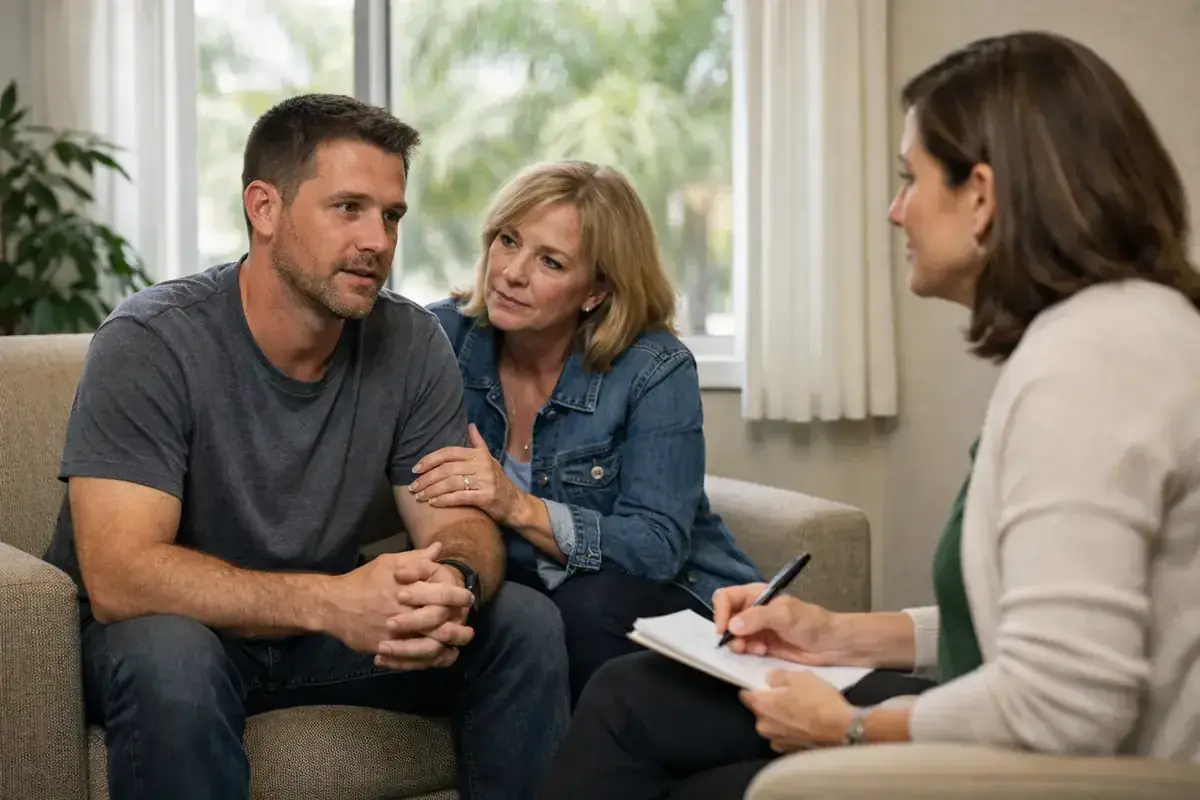
Opioid withdrawal can feel overwhelming, painful, and frightening, especially when you or someone you love is trying to stop fentanyl, heroin, oxycodone, hydrocodone, morphine, or another opioid. In Florida, the risks can be even more complicated because of high-potency street drugs, heat and dehydration, and the possibility of relapse after a short period without use. Understanding what withdrawal looks like can help families act sooner and seek treatment before symptoms spiral.
Florida Helps offers medically supervised detox in Florida. If withdrawal is starting or you are afraid to stop on your own, call 866-931-9677 today.
If you are searching for opioid withdrawal symptoms florida, it may be time to consider medically supervised detox instead of trying to manage symptoms alone. Florida Helps provides detox, residential, and outpatient care, with recommendations based on a clinical assessment. To start care, call 866-931-9677 or visit https://floridahelps.com/programs/detox/. For many people, beginning with medical detox is the safest and most realistic first step.
What opioid withdrawal can look like
Opioid withdrawal happens when a person who has been using opioids regularly cuts back sharply or stops. Symptoms can begin within hours for short-acting opioids and may start later for long-acting opioids. According to NIDA and SAMHSA, withdrawal is often not life-threatening in the way alcohol or benzodiazepine withdrawal can be, but it can still be intensely distressing and medically risky because of dehydration, poor sleep, uncontrolled vomiting, and the strong urge to return to use.
In Florida, many families are especially concerned about fentanyl exposure, including counterfeit pills and mixed street drugs. That matters because people may not know exactly what substance was used, how strong it was, or how long symptoms will last. A professional assessment helps clarify the situation and guides whether detox, residential treatment, or outpatient care is the right level of support after stabilization.
- Early symptoms may include anxiety, sweating, yawning, runny nose, tearing eyes, restlessness, and trouble sleeping.
- Common later symptoms include nausea, vomiting, diarrhea, abdominal cramping, body aches, chills, goosebumps, and dilated pupils.
- Cravings can become intense, increasing the risk of immediate relapse and overdose, especially after even a brief period of reduced tolerance.
- Mood symptoms such as irritability, panic, hopelessness, or depression can complicate withdrawal and should not be ignored.
Why opioid withdrawal should be taken seriously in Florida
Trying to detox alone at home can seem easier or more private, but it can also become dangerous quickly. Repeated vomiting and diarrhea can lead to dehydration, which may be harder on the body in Florida’s heat and humidity. People may isolate, stop eating, or mix other substances in an attempt to self-medicate. Families can miss warning signs until the situation becomes an emergency.
There is also the risk of relapse after symptoms peak. A person may use again simply to stop the pain, and if they have used less for a short time, their tolerance may already be lower. In Florida communities where fentanyl contamination remains a concern, returning to use after withdrawal can be especially hazardous. That is one reason a medically supervised setting can be so important at the beginning of recovery.
- Hot weather and dehydration can worsen weakness, dizziness, and physical stress during withdrawal.
- Unknown street-drug potency, especially fentanyl exposure, can make home detox unpredictable.
- People with anxiety, depression, trauma, or other mental health symptoms often need more than symptom management alone.
- The safest next step depends on an assessment, including substance use history, medical needs, and mental health concerns.
Comparison: home withdrawal vs medically supervised detox in Florida
| Topic | Home withdrawal | Medically supervised detox | Why it matters |
|---|---|---|---|
| Symptom monitoring | Limited or none | Clinical observation | Problems may escalate quickly |
| Hydration and comfort | Often inconsistent | Structured support | Vomiting and diarrhea can wear people down fast |
| Relapse risk | High | Reduced through supervision | Using again after withdrawal can be dangerous |
| Co-occurring mental health | Easy to miss | Assessed early | Anxiety, depression, or trauma may affect safety |
| Next-step planning | Unclear | Built into discharge planning | Detox alone is rarely enough for lasting change |
When detox is the right first step
Detox is often recommended when opioid withdrawal symptoms are already strong, when relapse risk is high, or when there are co-occurring medical or mental health concerns. It can also be the right place to start for people who have tried to quit before and returned to use quickly because symptoms became unmanageable. A supervised setting allows clinical monitoring, comfort-focused support, and planning for what comes next.
At Florida Helps, care decisions follow an assessment rather than a one-size-fits-all approach. Some people may need detox followed by residential care for structure and stabilization. Others may step into outpatient treatment after detox if that matches their clinical needs and home environment. If opioid withdrawal is beginning or expected soon, call 866-931-9677 or visit https://floridahelps.com/programs/detox/ to discuss starting medically supervised detox.
What to expect during medically supervised detox
A detox program is designed to help people move through withdrawal with monitoring and support. The specific plan depends on the assessment, including what opioids were used, how often they were used, whether other substances are involved, and whether there are underlying physical or psychiatric concerns. The goal is not simply to “get through a few bad days,” but to stabilize the person and reduce barriers to ongoing treatment.
During detox, clinicians monitor symptoms, hydration, sleep, and overall safety. People may receive support for nausea, body aches, insomnia, agitation, and other withdrawal-related issues, depending on clinical judgment. Just as important, detox creates a bridge to the next phase of care. Starting treatment early can reduce the cycle of stopping, suffering, and returning to opioid use. You can learn more at https://floridahelps.com/programs/detox/.
- Monitoring for worsening symptoms, dehydration, and emotional distress
- Comfort-focused support based on individual clinical needs
- Assessment for co-occurring mental health or medical concerns
- Planning for residential or outpatient treatment after detox
Withdrawal can be dangerous to manage alone. Our Florida detox program provides 24/7 medical monitoring and a plan for what comes next. Call 866-931-9677.
Detox at home versus professional detox
Many families in Florida first consider home detox because they hope the symptoms will pass in a few days. In reality, home withdrawal can become chaotic. A person may promise to stay hydrated, avoid using, or call for help if symptoms worsen, but cravings and exhaustion can change judgment quickly. Loved ones are often left trying to decide whether the person is “just uncomfortable” or in need of urgent care.
Professional detox provides a safer starting point because the person is not expected to manage severe discomfort, relapse risk, and treatment planning alone. It also gives families a clearer path forward. Instead of waiting and hoping, they can move directly into a level of care that fits the assessment. For many people, this step can reduce fear and create momentum toward real treatment in Florida, not just short-term withdrawal management.
How families in Florida can respond now
If you are worried about a spouse, adult child, parent, or close friend, try to focus on action rather than blame. Withdrawal can make people angry, shut down, or desperate. A calm conversation works better than an argument about past behavior. If the person is open to help, do not wait for symptoms to become unbearable before calling. Treatment access is often most successful when motivation is present, even briefly.
If the person is already withdrawing, cannot keep fluids down, is severely agitated, is talking about self-harm, or may have taken multiple substances, seek immediate medical attention. For non-emergency situations, Florida Helps can help you explore medically supervised detox and next-step treatment based on an assessment. Call 866-931-9677 now or visit https://floridahelps.com/programs/detox/ to begin the process.
- Speak calmly and directly about current symptoms and safety, not shame or punishment.
- Avoid promises to “just wait it out” if symptoms are escalating or relapse seems likely.
- Have transportation, identification, medications, and emergency contacts ready if treatment is accepted.
- Remember that detox is the beginning; ongoing residential or outpatient care may be recommended after assessment.
Related reading
- Opioid Withdrawal Symptoms
- Tampa Opioid Withdrawal Symptoms and MAT
- Miami Opioid Withdrawal Symptoms and Detox
- Florida Marchman Act and Opioid Withdrawal
- Florida 988 for Opioid Withdrawal Support
If you or someone you love is dealing with opioid withdrawal in Florida, do not wait for symptoms to get worse or for another relapse to happen. Starting medically supervised detox can be the safest way to stabilize, get assessed, and move into the level of care that fits your needs. Call 866-931-9677 today or visit https://floridahelps.com/programs/detox/ to take the first step with Florida Helps.
Start medically supervised detox in Florida
Do not wait for withdrawal to get worse. Our admissions team can talk through detox at Florida Helps and the next level of care. Call 866-931-9677.
Frequently asked questions
How long do opioid withdrawal symptoms last?
The timeline varies based on the opioid used, frequency of use, amount used, overall health, and whether other substances are involved. Short-acting opioids may trigger symptoms sooner, while long-acting opioids may start later and last longer. A clinical assessment is the best way to estimate what to expect and decide whether detox is appropriate.
Is opioid withdrawal dangerous?
Opioid withdrawal is often described by NIDA and SAMHSA as intensely uncomfortable and usually not as medically dangerous as alcohol or benzodiazepine withdrawal, but it should still be taken seriously. Dehydration, relapse, overdose risk after reduced tolerance, and mental health symptoms can create dangerous situations, especially when fentanyl exposure or polysubstance use may be involved.
Can I detox from opioids at home in Florida?
Some people attempt home detox, but it can be hard to predict how severe symptoms will become, especially if the opioid source or potency is unclear. In Florida, heat, dehydration, and fentanyl contamination can add risk. A medically supervised detox program offers monitoring and support that many people need to get through withdrawal more safely and move into treatment.
What happens after detox?
Detox is usually the first stage, not the full treatment plan. After stabilization, the next step may be residential treatment or outpatient care, depending on the assessment, mental health needs, relapse history, home environment, and motivation for recovery. Continuing care matters because stopping opioids for a few days does not address the deeper patterns that drive return to use.
When should I call for help?
Call for help as soon as opioid withdrawal is starting, when cravings feel unmanageable, or when you are worried a loved one will return to use. Seek immediate emergency care if there is trouble breathing, chest pain, confusion, severe dehydration, loss of consciousness, or risk of self-harm. For treatment planning, call Florida Helps at 866-931-9677.
Further treatment information
These public health resources offer background for comparing options and preparing questions for a care team. They do not confirm local appointment availability.