
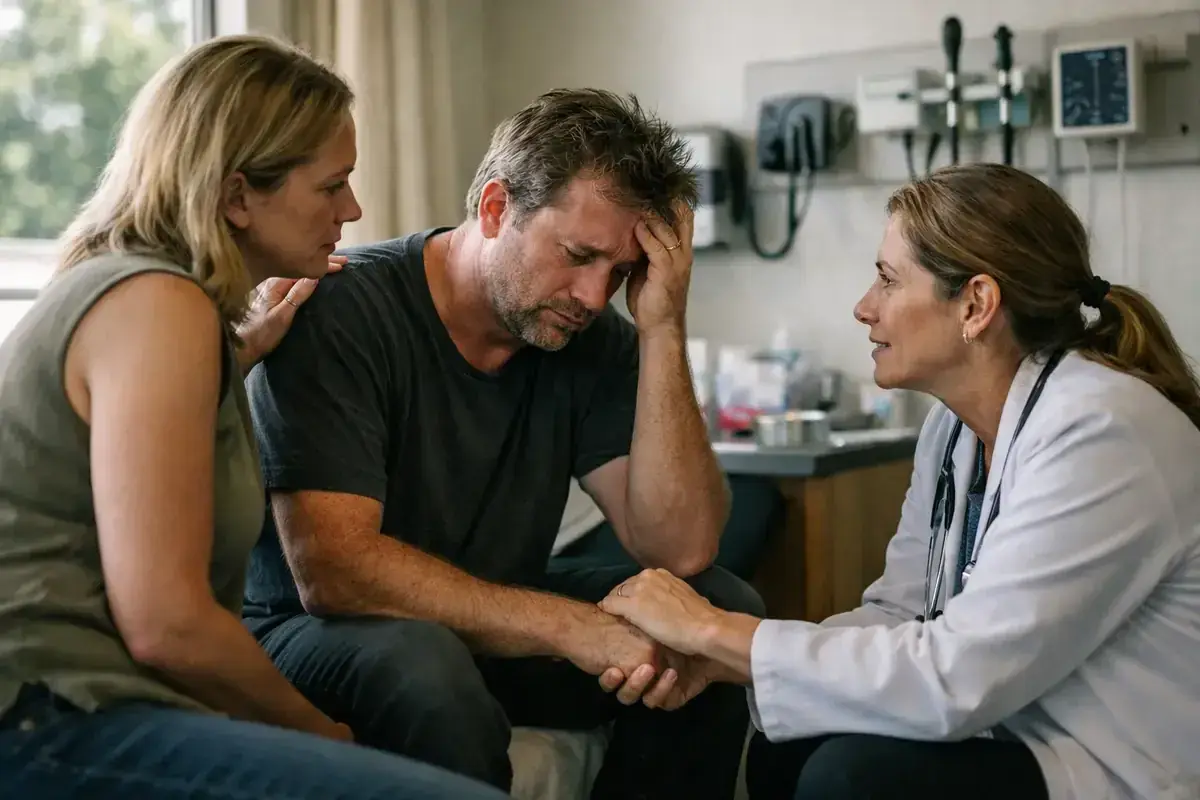
If you or someone you love is shaking, sweating, vomiting, panicking, or feeling confused after cutting back on alcohol, it is reasonable to wonder whether a Florida urgent care clinic can help. In some situations, urgent care may be able to evaluate mild symptoms, check vital signs, and tell you what level of care is safest. But alcohol withdrawal can change quickly, and serious complications can become life threatening without medical monitoring.
Florida Helps offers medically supervised detox in Florida. If withdrawal is starting or you are afraid to stop on your own, call 866-931-9677 today.
For many people in Florida, the safer next step is a professional detox assessment rather than trying to manage symptoms alone or hoping urgent care can do everything. Florida Helps provides medically supervised detox as part of a full continuum that also includes residential and outpatient care. Treatment decisions follow an assessment, and the goal is to match the person to the level of care that best fits their symptoms, history, and medical needs. To learn more or start help now, visit https://floridahelps.com/programs/detox/ or call 866-931-9677.
What urgent care can and cannot do for alcohol withdrawal in Florida
A Florida urgent care clinic may be able to assess whether symptoms look mild or whether there are warning signs that point to the emergency room or a detox program. Staff can review recent alcohol use, ask when the last drink was, check blood pressure and pulse, and look for signs of dehydration, tremor, or confusion. That evaluation can be useful, especially when families are unsure whether they are dealing with a hangover, anxiety, or early withdrawal.
What urgent care usually cannot provide is the kind of ongoing observation many people need during alcohol withdrawal. Symptoms can escalate over hours, especially in the first day or two after drinking stops. According to ASAM, alcohol withdrawal can range from mild discomfort to severe complications such as seizures or delirium tremens. That is why a formal detox setting is often the better fit when withdrawal is more than mild, when there is a history of complicated withdrawal, or when other medical or mental health concerns are present.
When alcohol withdrawal needs detox or emergency care instead of urgent care
If symptoms are moderate to severe, urgent care is often not enough. Alcohol withdrawal affects the brain and nervous system, and risk can be higher for people who drink heavily, have withdrawn before, or have co-occurring medical and mental health conditions. In Florida, where heat, dehydration, and long travel times can make symptoms harder to manage, it is especially important not to wait too long to seek a higher level of care.
A medically supervised detox program can monitor changes closely, support comfort and safety, and respond if symptoms intensify. Care decisions should always follow an assessment. If there are immediate danger signs, do not delay for urgent care or a routine appointment. Seek emergency help right away. If symptoms are not clearly emergent but withdrawal is starting, contact Florida Helps to discuss detox at https://floridahelps.com/programs/detox/ or call 866-931-9677.
- Go to the emergency room or call 911 for seizures, hallucinations, severe confusion, fainting, chest pain, trouble breathing, or inability to stay awake.
- Detox is usually the safer option if the person has had past withdrawal seizures, delirium tremens, or repeated difficult withdrawals.
- Medical detox is also strongly worth considering when alcohol use is daily or heavy, symptoms are worsening, or other substances are involved.
- An assessment matters if the person is older, pregnant, has liver or heart problems, or has depression, anxiety, or suicidal thoughts.
Where to go for alcohol withdrawal help in Florida
| Care setting | Best fit | What it may offer | Limits |
|---|---|---|---|
| Urgent care | Mild, stable symptoms with no major risk factors | Brief evaluation, vital signs, referral guidance | Usually not designed for ongoing withdrawal monitoring |
| Emergency room | Seizures, hallucinations, severe confusion, chest pain, medical instability | Immediate emergency treatment and stabilization | Not a substitute for ongoing addiction treatment |
| Medical detox | Active withdrawal or elevated risk of complications | Assessment, monitoring, withdrawal management, treatment planning | Level of care is determined after assessment |
| Residential treatment | After detox or when structured daily support is needed | 24-hour treatment environment and therapy | May not be the first stop if acute withdrawal is the main issue |
| Outpatient care | When withdrawal risk is lower and daily living can continue safely | Scheduled therapy and recovery support | Not appropriate for everyone during early withdrawal |
How medically supervised detox works at a Florida addiction treatment provider
Detox is not just a place to wait out symptoms. In a medically supervised setting, the first step is an assessment of withdrawal severity, substance use history, physical health, mental health, and immediate safety needs. That process helps determine whether detox is appropriate and what level of monitoring is needed. The aim is to reduce risk while supporting the person through the early stage of stopping alcohol.
At Florida Helps, detox can also serve as the entry point into ongoing treatment rather than a stand-alone event. After withdrawal begins to stabilize, some people may step into residential treatment, while others may be better suited for outpatient care, depending on the assessment. This matters because withdrawal management alone does not address the patterns, stressors, and mental health concerns that often drive drinking. Starting with detox can make the next phase of recovery more realistic and more stable.
Common alcohol withdrawal symptoms families in Florida should watch closely
Alcohol withdrawal does not look the same for everyone. Some people mainly feel anxious and shaky. Others become nauseated, sweaty, restless, or unable to sleep. Family members often notice irritability, fast heartbeat, or blood pressure changes before the person realizes how serious things are becoming. Symptoms commonly begin within hours after the last drink and can build over the next one to three days, which is why home monitoring can become risky.
Florida families often call when they hoped symptoms would pass overnight and instead saw them worsen by morning. It is wise to take that change seriously. According to NIDA and SAMHSA guidance, alcohol withdrawal can become medically dangerous, particularly when symptoms progress or there is a history of heavy, long-term use. If there is any doubt, an assessment for detox is a safer choice than trying to push through it alone.
- Early symptoms can include tremor, sweating, nausea, headache, anxiety, insomnia, and feeling unusually jumpy or restless.
- Worsening symptoms can include repeated vomiting, rising pulse, high blood pressure, marked agitation, and increasing confusion.
- Severe complications can include seizures, hallucinations, or delirium tremens, which need immediate medical attention.
- If symptoms start after cutting back or stopping alcohol, do not assume it is only stress or a hangover.
Withdrawal can be dangerous to manage alone. Our Florida detox program provides 24/7 medical monitoring and a plan for what comes next. Call 866-931-9677.
Urgent care versus detox versus the emergency room
Families often ask which door to choose first. A simple way to think about it is this: urgent care may help with a quick evaluation when symptoms seem mild and stable, the emergency room is for immediate danger, and detox is for supervised withdrawal management when symptoms are present or risk factors suggest they could become serious. The challenge is that alcohol withdrawal does not always stay mild, which is why many people benefit from moving directly into a detox assessment.
In Florida, choosing a dedicated detox program can also simplify what comes next. Instead of being told to go somewhere else after an urgent care visit, you can start with a setting built around withdrawal management and continued addiction treatment planning. If you are unsure, call 866-931-9677. A conversation can help clarify whether medically supervised detox at https://floridahelps.com/programs/detox/ is the right next step based on current symptoms and history.
Why Florida-specific planning matters after withdrawal begins
Florida is not just a backdrop to this decision. Heat and humidity can make dehydration worse. Seasonal travel, snowbird households, and time spent between counties can disrupt support systems. Some people are far from the family doctor who knows their history, while others are trying to stop drinking in a vacation rental, hotel, or unfamiliar home. Those details can raise risk and make urgent care an incomplete solution when withdrawal is already underway.
A Florida-based addiction treatment provider can help coordinate the next level of care with the reality of where the person is and what support is available. After assessment, that may mean detox first, then residential or outpatient treatment depending on need. The key is not to delay because the setting feels more convenient. When alcohol withdrawal is involved, convenience should come second to safety and continuity of care.
- Plan for transportation before symptoms intensify, especially if the person is shaking, weak, or confused.
- Avoid leaving someone alone if withdrawal symptoms are active or getting worse.
- Have a clear list of recent alcohol use, medications, and health conditions ready for the assessment.
- If there is any immediate medical danger, use emergency services rather than driving long distances yourself.
Related reading
- Alcohol Withdrawal Symptoms
- Tampa Alcohol Withdrawal Symptoms and ER Risks
- Alcohol Withdrawal Symptoms in Florida Heat
- Florida 988 for Alcohol Withdrawal Crisis Support
- Florida Baker Act and Alcohol Withdrawal
If you are searching for florida urgent care alcohol withdrawal answers, the most important message is this: do not wait for symptoms to become frightening before you act. Alcohol withdrawal can turn serious quickly, and the safest plan often starts with medically supervised detox and a full assessment. Florida Helps offers detox, residential, and outpatient treatment in Florida, with care decisions based on individual needs. To start now, visit https://floridahelps.com/programs/detox/ or call 866-931-9677.
Start medically supervised detox in Florida
Do not wait for withdrawal to get worse. Our admissions team can talk through detox at Florida Helps and the next level of care. Call 866-931-9677.
Frequently asked questions
Can urgent care prescribe something for alcohol withdrawal in Florida?
Some urgent care clinics may evaluate symptoms and decide whether you need a higher level of care, but many are not set up to manage alcohol withdrawal over time. Because symptoms can worsen quickly, a prescription alone may not be enough. The safer option is often a detox assessment so the level of care matches the actual withdrawal risk.
Should I go to urgent care or the ER for alcohol withdrawal?
If there are seizures, hallucinations, severe confusion, trouble breathing, chest pain, fainting, or the person cannot stay awake, go to the ER or call 911. Urgent care may be considered only when symptoms seem mild and stable. If risk is unclear, contacting a medically supervised detox program for guidance is often a better first move.
How do I know if detox is necessary?
Detox is often appropriate when symptoms are more than mild, when they are worsening, or when there is a history of difficult withdrawal, heavy daily drinking, or co-occurring health conditions. A formal assessment is the right way to decide. That assessment looks at current symptoms, drinking history, physical health, mental health, and safety concerns before recommending care.
Can someone detox from alcohol at home in Florida?
Home detox can be risky because alcohol withdrawal can escalate unpredictably. What seems manageable at night can become dangerous by morning. Florida heat and dehydration can add more stress to the body. If symptoms have started, especially with shaking, vomiting, confusion, or rising anxiety, medically supervised detox is the safer path to consider.
What happens after detox at Florida Helps?
After detox, the next step depends on the assessment and how the person is doing medically and emotionally. Some people may need residential treatment for more structure, while others may be appropriate for outpatient care. The goal is to continue treatment instead of stopping after withdrawal management, because recovery support usually needs more than detox alone.
Further treatment information
These public health resources offer background for comparing options and preparing questions for a care team. They do not confirm local appointment availability.