
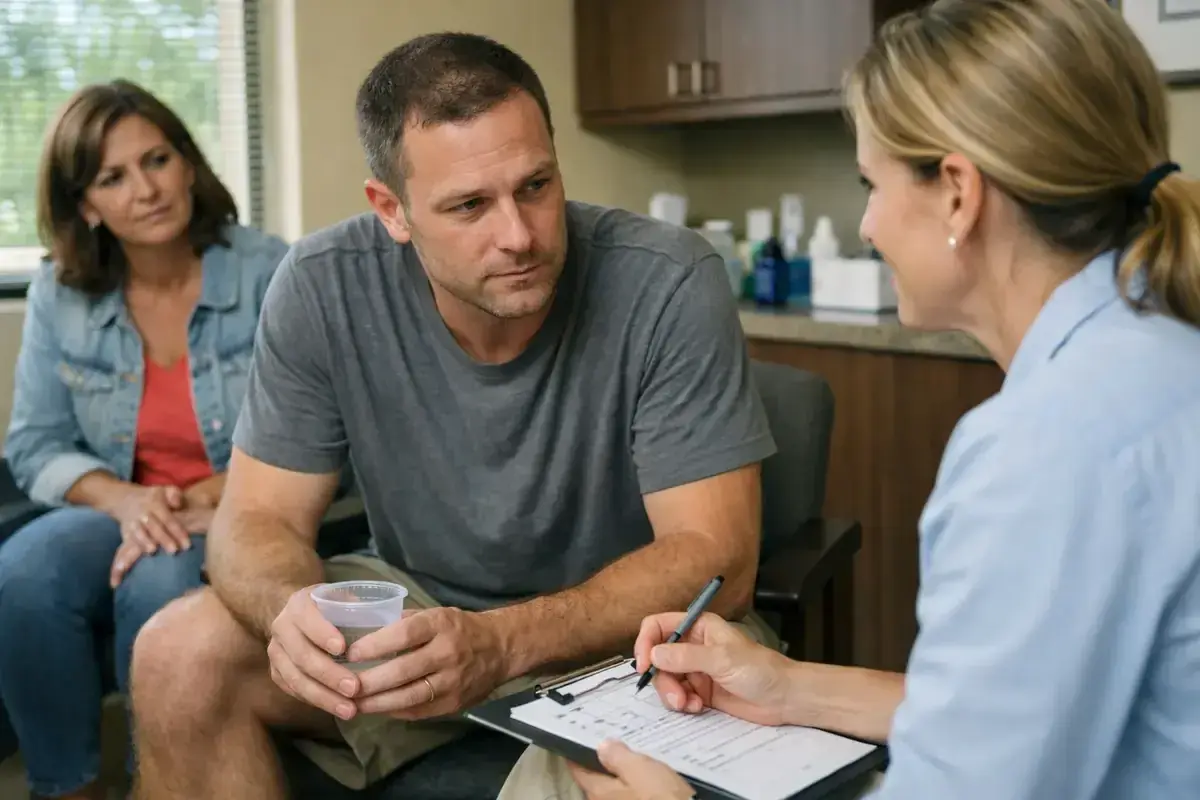
Alcohol withdrawal symptoms can begin within hours after a person stops or sharply reduces heavy or long-term drinking. For some people, symptoms are uncomfortable but manageable only with professional support. For others, withdrawal can become dangerous quickly, especially when there is a history of daily alcohol use, prior withdrawal, seizures, or co-occurring medical or mental health concerns. Families in Florida often wait too long because they hope the symptoms will pass on their own.
Florida Helps offers medically supervised detox in Florida. If withdrawal is starting or you are afraid to stop on your own, call 866-931-9677 today.
intro 2
If you are researching care in Florida, the safest starting point is an assessment that looks at current drinking patterns, health history, medications, mental health, and withdrawal risk. Florida Helps provides medically supervised detox as well as residential and outpatient treatment, and care decisions follow that assessment rather than a one-size-fits-all plan. If alcohol withdrawal may be starting, call 866-931-9677 or visit https://floridahelps.com/programs/detox/ to speak with a member of the team about next steps.
What alcohol withdrawal symptoms can look like
Alcohol changes how the brain and body regulate stress, sleep, and mood. When alcohol is removed after repeated heavy use, the nervous system can become overactive. That is why early alcohol withdrawal symptoms often include shakiness, sweating, anxiety, nausea, headache, poor sleep, irritability, and a racing heartbeat. A person may look restless, pale, dehydrated, or unusually sensitive to light and noise. Families sometimes mistake these signs for a bad hangover, but withdrawal is different because it can intensify over time.
Symptoms vary from person to person. Some adults in Florida may notice symptoms after a night of heavy drinking, while others may not feel significant withdrawal unless they have been drinking daily or nearly daily for a long period. Risk rises with repeated withdrawal episodes, older age, liver disease, certain medications, and co-occurring mental health conditions. A clinical assessment helps determine whether home management is unsafe and whether medically supervised detox is the more appropriate setting.
Common alcohol withdrawal symptoms include:
Shaking or tremors, especially in the hands
Sweating, nausea, vomiting, and loss of appetite
Anxiety, agitation, or feeling on edge
Trouble sleeping, vivid dreams, or confusion
Fast pulse, elevated blood pressure, or fever
- Shaking or tremors, especially in the hands
- Sweating, nausea, vomiting, and loss of appetite
- Anxiety, agitation, or feeling on edge
- Trouble sleeping, vivid dreams, or confusion
- Fast pulse, elevated blood pressure, or fever
When withdrawal becomes dangerous
Alcohol withdrawal can become a medical emergency. According to ASAM, severe withdrawal may include hallucinations, seizures, and delirium tremens, often called DTs. A person may become severely confused, disoriented, panicked, or physically unstable. Breathing problems, dehydration, chest pain, or fainting also need urgent attention. Because symptoms can escalate unexpectedly, trying to “sleep it off” at home can be risky, especially if the person has had serious withdrawal before.
In Florida, heat and humidity can make dehydration and physical stress worse, especially if someone is already vomiting, sweating heavily, or not eating. That is one reason medically supervised detox matters. In a monitored setting, professionals can assess symptoms, support hydration, observe vital signs, and respond if complications develop. If there are signs of severe withdrawal or immediate danger, seek emergency help right away, then follow up about ongoing detox and treatment planning as soon as possible.
Alcohol withdrawal symptoms: common signs and care needs
| Stage | What you may notice | Main concern | Recommended response |
|---|---|---|---|
| Early withdrawal | Shaking, sweating, nausea, anxiety | Symptoms may worsen | Prompt assessment for detox |
| Moderate withdrawal | Vomiting, insomnia, rising pulse, agitation | Dehydration, instability | Medical monitoring is often needed |
| Severe withdrawal | Confusion, hallucinations, severe tremor | High medical risk | Immediate urgent or emergency care |
| Seizure risk period | Sudden convulsions or collapse | Medical emergency | Call emergency services right away |
| After acute withdrawal | Poor sleep, mood swings, cravings | Return to drinking | Step into residential or outpatient care |
Alcohol withdrawal timeline: what to expect
Many people begin to feel alcohol withdrawal symptoms within 6 to 24 hours after their last drink, though timing varies. Early symptoms may start mildly and then build. Around 24 to 72 hours, symptoms can intensify, and this is often the period when seizure risk is watched most closely. Some people improve after several days, while others continue to have sleep problems, anxiety, and mood changes for longer. SAMHSA and ASAM both emphasize that the timeline is not identical for every person.
A Florida detox program can monitor the withdrawal window rather than leaving the person and family to guess what is normal. Assessment helps identify whether the person may need medical observation, residential care after detox, or outpatient treatment once withdrawal has stabilized. If you are concerned about the timeline in your situation, start with https://floridahelps.com/programs/detox/ or call 866-931-9677 to discuss whether medically supervised detox is the safest option.
How medically supervised detox helps
Detox is not simply a place to wait out symptoms. In a medically supervised setting, the focus is safety, symptom monitoring, and early stabilization so the person can move into the next level of care. That may include residential treatment or outpatient services depending on the assessment. For many Florida families, detox also provides relief from the cycle of repeated attempts to quit at home, relapse, and worsening physical health or family stress.
Because alcohol withdrawal can overlap with anxiety, depression, trauma symptoms, sleep problems, and other medical concerns, detox care should look at the whole person. It is also important to identify other substances that may be involved, such as benzodiazepines or opioids, because they can change withdrawal risk and treatment planning. Florida Helps uses an assessment to guide care recommendations rather than assuming every person needs the same path.
A medically supervised detox assessment may consider:
How much and how often the person drinks
Past withdrawal symptoms, seizures, or hospital visits
Current medications and any co-occurring drug use
Mental health symptoms, sleep, and safety concerns
Whether residential or outpatient care is appropriate after detox
- How much and how often the person drinks
- Past withdrawal symptoms, seizures, or hospital visits
- Current medications and any co-occurring drug use
- Mental health symptoms, sleep, and safety concerns
- Whether residential or outpatient care is appropriate after detox
Withdrawal can be dangerous to manage alone. Our Florida detox program provides 24/7 medical monitoring and a plan for what comes next. Call 866-931-9677.
Detox is the beginning, not the whole treatment plan
Withdrawal management addresses the immediate physical risks of stopping alcohol, but it does not by itself treat alcohol use disorder. Continued care helps people work on cravings, stress, trauma, mental health, routines, and relapse prevention. Depending on the assessment, that next step may be residential treatment for a more structured environment or outpatient care for a person who can safely recover while living at home. Families often see better engagement when the plan is clear before detox ends.
Florida recovery planning also needs to account for real-life triggers. These may include tourism and nightlife exposure, seasonal stress, housing instability, work in hospitality, or year-round social drinking culture that can normalize heavy alcohol use. Continuing treatment can help a person build coping strategies specific to daily life in Florida rather than trying to return immediately to the same environment that supported drinking. Starting with detox creates a safer foundation for that longer-term work.
When to call for help in Florida
If someone is drinking to avoid feeling sick, waking at night to drink, or unable to stop without shaking or panic, do not wait for the problem to become more severe. Early intervention can reduce chaos and may lower the risk of dangerous complications. Families across Florida often call when they notice repeated failed attempts to quit, missed work, mood changes, falls, or increasing secrecy around alcohol. Those are strong reasons to seek an assessment now.
Florida Helps offers medically supervised detox and additional levels of care, with treatment recommendations based on the person’s needs after evaluation. If alcohol withdrawal symptoms may be starting, call 866-931-9677. You can also begin by reviewing the detox program here: https://floridahelps.com/programs/detox/. Reaching out does not lock you into one outcome, but it can help you understand the safest next step and move quickly if withdrawal risk is high.
Related reading
- Can Florida Urgent Care Treat Alcohol Withdrawal?
- Tampa Alcohol Withdrawal Symptoms and ER Risks
- Alcohol Withdrawal Symptoms in Florida Heat
- Florida 988 for Alcohol Withdrawal Crisis Support
- Florida Baker Act and Alcohol Withdrawal
- South Florida Alcohol Detox Withdrawal Signs
- Orlando Alcohol Withdrawal Symptoms Guide
- Miami Alcohol Withdrawal Symptoms and Detox Help
- Jacksonville Alcohol Withdrawal Symptoms Help
If you or someone you love may be developing alcohol withdrawal symptoms, do not wait for the situation to become more dangerous. A calm, professional assessment can clarify the safest next step and whether medically supervised detox is needed before residential or outpatient treatment. Call Florida Helps at 866-931-9677 or visit https://floridahelps.com/programs/detox/ to start the conversation today.
Start medically supervised detox in Florida
Do not wait for withdrawal to get worse. Our admissions team can talk through detox at Florida Helps and the next level of care. Call 866-931-9677.
Frequently asked questions
How do I know if alcohol withdrawal symptoms are serious?
Symptoms are more concerning when there is severe shaking, repeated vomiting, confusion, hallucinations, chest pain, fainting, seizures, or a history of difficult withdrawal. Daily or near-daily drinking also raises risk. Because symptoms can worsen quickly, the safest move is to get a clinical assessment in Florida rather than trying to judge severity at home.
Can someone detox from alcohol at home?
Some people hope to stop drinking at home, but alcohol withdrawal can be unpredictable. Home detox may be unsafe if the person has heavy long-term alcohol use, prior withdrawal, seizures, medical issues, or co-occurring mental health concerns. A medically supervised detox program can assess risk and recommend the appropriate level of care based on the person’s needs.
How long do alcohol withdrawal symptoms last?
Early symptoms often begin within 6 to 24 hours after the last drink. They may intensify over the next 24 to 72 hours, and some symptoms can last several days or longer. Sleep problems, anxiety, and cravings may continue after the acute phase. Timing varies, which is why monitoring and follow-up treatment planning matter.
What happens after detox?
After detox, the next step depends on the assessment. Some people benefit from residential treatment for structure and support, while others may be appropriate for outpatient care. Ongoing treatment focuses on cravings, coping skills, mental health, family support, and relapse prevention, because detox alone does not address the underlying patterns that keep alcohol use going.
What should families in Florida do if they are worried right now?
If there are emergency warning signs such as seizures, severe confusion, or collapse, call emergency services immediately. If the concern is urgent but not yet an emergency, contact Florida Helps at 866-931-9677 and ask about medically supervised detox. You can also review the program at https://floridahelps.com/programs/detox/ to understand the first step.
Further treatment information
These public health resources offer background for comparing options and preparing questions for a care team. They do not confirm local appointment availability.