
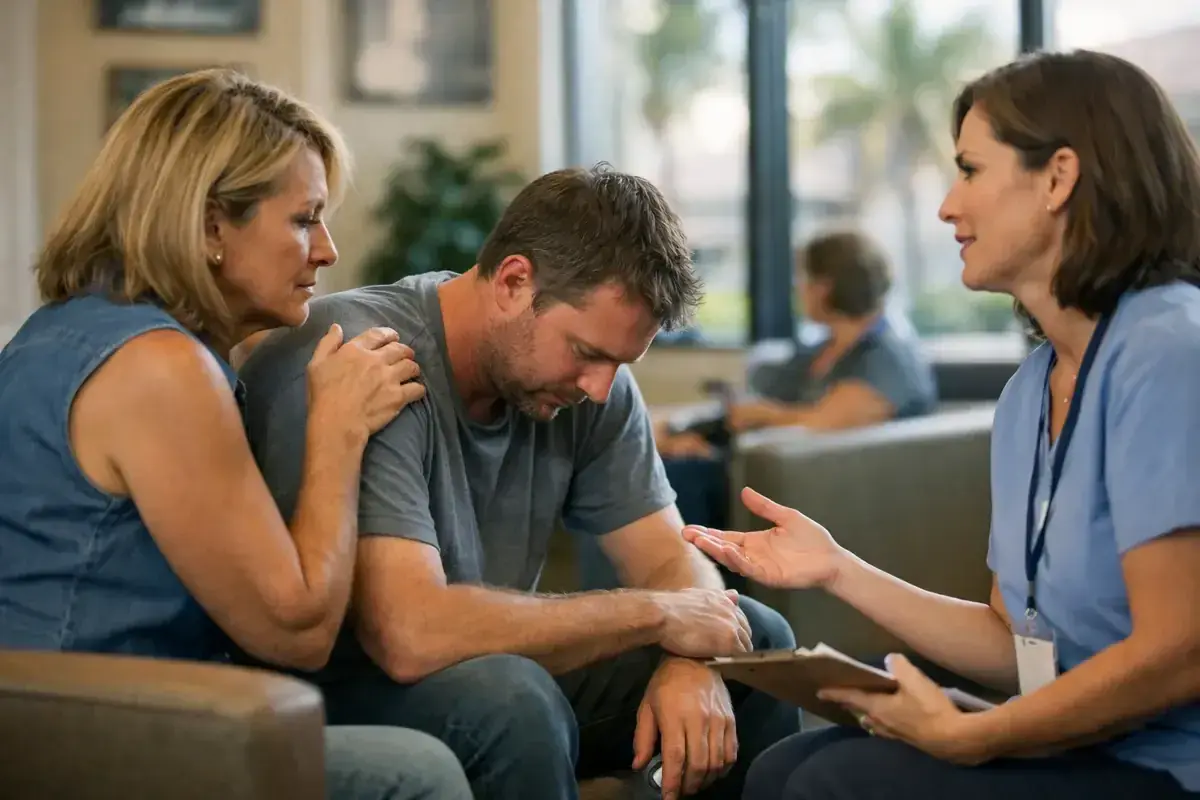
If you are searching for information about Orlando alcohol withdrawal symptoms, you may be worried about what happens when drinking stops, how serious symptoms can become, and where to turn for help in Central Florida. Alcohol withdrawal can range from uncomfortable to dangerous, especially for people who drink heavily, drink daily, or have a history of withdrawal. A calm, medically supervised plan can help reduce risk and connect you with the next level of care.
Florida Helps offers medically supervised detox in Florida. If withdrawal is starting or you are afraid to stop on your own, call 866-931-9677 today.
For adults and families in Orlando and across Florida, it is important to know that withdrawal is not just a matter of willpower. Alcohol changes brain and body function over time, and symptoms can escalate quickly after the last drink. Florida Helps provides medically supervised detox as part of a broader continuum that may include residential and outpatient care, with treatment recommendations based on an assessment. To learn more or get started, visit https://floridahelps.com/programs/detox/ or call 866-931-9677.
What alcohol withdrawal can look like in Orlando
Alcohol withdrawal symptoms often begin within hours after a person cuts back or stops drinking. Early symptoms may include anxiety, sweating, shaking, nausea, headache, trouble sleeping, irritability, and a racing heart. Some people also feel unusually restless or sensitive to light and sound. In Orlando, where heat and humidity can already strain the body, sweating, dehydration, and poor sleep may feel even more intense during withdrawal.
Symptoms do not follow the exact same pattern for every person. A person’s age, medical history, mental health needs, drinking pattern, other substance use, and past withdrawal episodes all matter. That is why care decisions should follow a professional assessment rather than guesswork at home. In Florida, especially during hot weather or storm-related disruptions, trying to detox alone can become harder and less predictable.
More severe alcohol withdrawal can involve hallucinations, seizures, or delirium tremens, often called DTs. These are medical emergencies. If someone is confused, severely agitated, having a seizure, or cannot be safely monitored, emergency help is needed right away. For many people, the safest next step is to begin medically supervised detox before symptoms become more dangerous.
- Common early symptoms: shaking, sweating, nausea, anxiety, insomnia
- Warning signs: worsening confusion, severe tremor, chest pain, seizures
- Risk increases with heavy daily drinking or prior withdrawal episodes
- Hot Florida weather may worsen dehydration and physical stress
Why medically supervised detox matters in Florida
Alcohol withdrawal can change quickly, and symptoms that seem manageable in the morning may become more serious by night. Medically supervised detox allows trained professionals to monitor vital signs, hydration, sleep, and symptom progression. This setting also creates space to address co-occurring mental health symptoms, which can be especially important when anxiety, depression, or panic appear during withdrawal.
For people in Orlando, medical detox can also reduce the risks that come with trying to stop abruptly while balancing work, caregiving, transportation issues, or unstable housing. A supervised setting offers structure during the most physically vulnerable period. After an assessment, a team can recommend whether detox alone, residential care, or outpatient treatment is the right next step based on current needs rather than a one-size-fits-all plan.
If you are seeing signs of withdrawal, do not wait for things to get worse. Florida Helps offers medically supervised detox as part of treatment planning that can continue into residential or outpatient support when appropriate. You can review the detox program at https://floridahelps.com/programs/detox/ and take the first step toward safer care in Florida.
Orlando alcohol withdrawal symptoms: home detox vs medically supervised detox
| Situation | Possible symptoms | Main concern | Safer response |
|---|---|---|---|
| Early withdrawal after stopping alcohol | Sweating, tremor, anxiety, nausea | Symptoms may escalate quickly | Assessment and supervised detox |
| History of prior withdrawal | Symptoms may return faster or stronger | Higher risk of complications | Medical evaluation before detoxing |
| Severe symptoms appear | Seizure, confusion, hallucinations | Medical emergency | Emergency care, then treatment planning |
| Co-occurring mental health symptoms | Panic, depression, agitation, insomnia | Safety and stability concerns | Detox with clinical monitoring |
| After withdrawal begins to improve | Fatigue, cravings, mood swings | Stopping care too early | Step into residential or outpatient treatment |
Alcohol withdrawal timeline: what families should expect
Although timing varies, alcohol withdrawal often starts within 6 to 24 hours after the last drink. Early symptoms can include tremor, anxiety, nausea, sweating, and insomnia. For some people, symptoms intensify over the next 24 to 72 hours. According to ASAM and NIAAA guidance used in withdrawal care, this period can carry increased risk for severe complications, which is why monitoring matters.
Families in Orlando often ask whether symptoms will just pass with rest and fluids. The answer depends on the person. Mild symptoms may improve, but there is no safe way to predict at home who will progress to seizures or delirium. Previous withdrawal, long-term heavy alcohol use, certain medical conditions, and use of other sedating substances can all raise risk.
In Florida, practical factors also affect withdrawal management. A person may already be sleep-deprived, dehydrated, or dealing with hurricane-season stress, travel, or interrupted routines. Those real-life pressures can make home detox less stable. An assessment helps determine the safest level of care and whether continued residential or outpatient treatment should follow detox.
- 6 to 24 hours: anxiety, tremor, nausea, sweating, insomnia
- 24 to 72 hours: symptoms may intensify; severe risks can emerge
- Past withdrawal, other sedatives, and medical issues raise concern
- Professional assessment helps match detox, residential, or outpatient care
When Orlando alcohol withdrawal symptoms mean you should act now
Some symptoms call for immediate action rather than waiting to see what happens. Hallucinations, seizures, severe confusion, repeated vomiting, chest pain, fainting, uncontrolled shaking, or a person who cannot keep fluids down all suggest a higher level of risk. If there is any concern about immediate safety, seek emergency help. Once the crisis is stabilized, treatment planning can continue from there.
Even without dramatic symptoms, it is wise to seek help early if someone has tried to quit before and became sick, if they drink from morning to night, or if they also use benzodiazepines or other substances. Family members should also take changes in mood seriously. Fear, panic, hopelessness, and agitation can all complicate withdrawal and deserve clinical attention.
Florida Helps encourages people in Orlando and surrounding communities not to wait for a crisis. Starting with medically supervised detox can create a safer foundation for recovery and mental health support. The program page at https://floridahelps.com/programs/detox/ explains how detox fits into the broader treatment process, and you can call 866-931-9677 to talk through next steps.
- Call for emergency help for seizures, severe confusion, or chest pain
- Do not rely on home remedies if symptoms are escalating
- Past difficult withdrawal is a major reason to seek medical detox
- Family concerns are worth acting on, even early in the process
Withdrawal can be dangerous to manage alone. Our Florida detox program provides 24/7 medical monitoring and a plan for what comes next. Call 866-931-9677.
How detox connects to residential and outpatient treatment
Detox is the first stage, not the whole treatment plan. Once the body is stabilizing, the next question is what level of support will best help the person continue care. Some people benefit from residential treatment, where they can step away from daily triggers and receive structured support. Others may be appropriate for outpatient care after an assessment, depending on symptom severity, home environment, motivation, and safety needs.
For Florida families, this step matters because returning immediately to the same stressors in Orlando can make early recovery harder. Access to follow-up treatment can help address cravings, relapse prevention, underlying mental health concerns, and family communication. Good planning also helps people manage practical issues like transportation, work coordination, and continuity of care after detox.
No program can promise outcomes, and not every person needs the same pathway. What matters is a careful assessment and a treatment plan that matches current risk and support needs. Florida Helps offers medically supervised detox along with residential and outpatient options so care can continue at the appropriate level once withdrawal is addressed.
What to do next if you need help today
If you believe alcohol withdrawal is starting, the safest move is to speak with a treatment provider or emergency service rather than trying to manage it alone. Be ready to share when the last drink was, how much the person usually drinks, whether there have been previous withdrawals, and whether other substances or medications are involved. Honest information helps clinicians make safer decisions after an assessment.
Families in Orlando can also support the process by staying calm, avoiding arguments, keeping the environment quiet, and focusing on immediate safety. If the person is confused, very unstable, or physically deteriorating, do not leave them alone. Fast action can reduce complications and create a better transition into treatment.
To start medically supervised detox in Florida, visit https://floridahelps.com/programs/detox/ or call 866-931-9677. If the person is in immediate danger, call emergency services first. Once safety is addressed, continuing into detox and follow-up treatment can provide a more stable path forward.
- Have details ready: last drink, amount, prior withdrawals, other substances
- Keep the setting calm, but do not try to manage severe symptoms alone
- Immediate danger requires emergency help before anything else
- After stabilization, ask about ongoing residential or outpatient care
Related reading
- Alcohol Withdrawal Symptoms
- Can Florida Urgent Care Treat Alcohol Withdrawal?
- Tampa Alcohol Withdrawal Symptoms and ER Risks
- Alcohol Withdrawal Symptoms in Florida Heat
- Florida 988 for Alcohol Withdrawal Crisis Support
If you or someone you love is showing signs of alcohol withdrawal in Orlando or elsewhere in Florida, do not wait for symptoms to escalate. Starting medically supervised detox can provide a safer, more supported beginning and help you move into the right level of ongoing care after an assessment. Call 866-931-9677 today or visit https://floridahelps.com/programs/detox/ to take the next step.
Start medically supervised detox in Florida
Do not wait for withdrawal to get worse. Our admissions team can talk through detox at Florida Helps and the next level of care. Call 866-931-9677.
Frequently asked questions
How soon do alcohol withdrawal symptoms start after the last drink?
Many people begin to notice symptoms within 6 to 24 hours after their last drink, though the exact timing varies. Early signs can include anxiety, sweating, tremor, nausea, and insomnia. Because symptoms can intensify over the next one to three days, it is best to seek an assessment early rather than assuming the symptoms will stay mild.
Can I detox from alcohol at home in Orlando?
Some people hope to stop drinking at home, but alcohol withdrawal can become dangerous without much warning. A history of daily heavy drinking, prior withdrawal, seizures, hallucinations, or use of other sedating substances raises concern. In Florida, heat and dehydration can add stress to the body. A medically supervised assessment is the safer place to start.
What symptoms mean alcohol withdrawal may be an emergency?
Emergency warning signs include seizures, severe confusion, hallucinations, chest pain, repeated vomiting, fainting, or a person who cannot keep fluids down or be safely monitored. If any of these are happening, get emergency help right away. After immediate safety is addressed, a treatment team can assess whether detox, residential care, or outpatient follow-up is appropriate.
What happens after detox is over?
Detox addresses the immediate physical effects of stopping alcohol, but it is usually only the first step. After an assessment, some people move into residential treatment for more structure, while others may be appropriate for outpatient care. The right next step depends on withdrawal severity, relapse risk, mental health needs, and the person’s home support and safety.
How do I start treatment with Florida Helps?
If you are concerned about Orlando alcohol withdrawal symptoms, contact Florida Helps as soon as possible. You can learn about medically supervised detox at https://floridahelps.com/programs/detox/ and call 866-931-9677 to discuss next steps. Care recommendations should follow an assessment, and if there is immediate danger, emergency services should be contacted first.
Further treatment information
These public health resources offer background for comparing options and preparing questions for a care team. They do not confirm local appointment availability.