
When alcohol use has become hard to control, stopping suddenly can bring on symptoms that are uncomfortable, frightening, and in some cases dangerous. People searching for miami alcohol withdrawal symptoms are often trying to figure out whether what they or a loved one is experiencing is “normal,” or a sign that urgent medical help is needed. In South Florida, where heat, dehydration, long work hours, nightlife, and co-occurring mental health concerns can all complicate recovery, it is important to take alcohol withdrawal seriously.
Florida Helps offers medically supervised detox in Florida. If withdrawal is starting or you are afraid to stop on your own, call 866-931-9677 today.
Florida Helps provides medically supervised detox as part of a full continuum of care in Florida, with residential and outpatient treatment available after detox when clinically appropriate. The right starting point depends on an assessment, including how much and how often a person drinks, prior withdrawal history, medical needs, mental health symptoms, and safety risks at home. If you are concerned about alcohol withdrawal, call 866-931-9677 or learn more about detox at https://floridahelps.com/programs/detox/.
What alcohol withdrawal can look like in Miami
Alcohol withdrawal happens when the brain and body have adapted to regular alcohol use and then alcohol intake is sharply reduced or stopped. Symptoms can begin within hours after the last drink and may range from mild anxiety and tremors to severe confusion, hallucinations, or seizures. According to the American Society of Addiction Medicine, withdrawal can escalate quickly, which is why medical evaluation matters even when symptoms seem manageable at first.
In Miami and throughout Florida, environmental stressors may make symptoms harder to tolerate. Heat and humidity can worsen dehydration, sweating, shakiness, headaches, and sleep disruption. For adults balancing tourism, hospitality, shift work, caregiving, or transportation barriers across South Florida, trying to detox alone can become risky fast. Medically supervised care can help monitor symptoms, support hydration and comfort, and respond if withdrawal becomes more severe.
- Common early symptoms include anxiety, irritability, sweating, nausea, headache, tremors, and trouble sleeping.
- More serious symptoms can include vomiting, racing heart, high blood pressure, agitation, hallucinations, seizures, or delirium tremens.
- A past history of severe withdrawal, daily heavy drinking, older age, or co-occurring medical problems can raise risk.
When symptoms become a medical concern
Some people wait too long because they hope the worst will pass in a day or two. That can be a dangerous assumption. Severe alcohol withdrawal is a medical issue, not just a willpower issue. If someone becomes disoriented, cannot keep fluids down, has uncontrolled shaking, experiences hallucinations, or has a seizure, emergency evaluation is important. SAMHSA and NIDA both emphasize that withdrawal from alcohol can require medical supervision because complications can become life-threatening.
Families in Florida should also watch for warning signs linked to safety and mental health. Alcohol withdrawal may intensify panic, depression, hopelessness, or impulsive behavior. If there are thoughts of self-harm, confusion about time or place, chest pain, trouble breathing, or collapse, call 911 right away. For non-emergency concerns, a prompt assessment for detox can help determine whether a medically supervised setting is the safest next step.
- Seek emergency help now for seizures, severe confusion, collapse, chest pain, or trouble breathing.
- Do not assume prior “mild” withdrawals predict a mild withdrawal this time.
- An assessment helps determine whether detox, residential care, or outpatient follow-up is appropriate.
Comparison: trying to stop alcohol at home vs medically supervised detox
| Topic | At-home withdrawal | Medically supervised detox | Why it matters |
|---|---|---|---|
| Symptom monitoring | Limited | Ongoing clinical observation | Symptoms can change quickly |
| Response to complications | Call for outside help | Immediate on-site support within program scope | Faster response may improve safety |
| Comfort and stabilization | Unstructured | Structured support based on assessment | Can reduce distress and confusion |
| Transition to next care | Often unclear | Planned step to residential or outpatient | Helps maintain momentum |
| Family burden | High | Shared with treatment team | Loved ones need support too |
Why medically supervised detox matters in Florida
Detox is not simply “waiting it out.” In a medically supervised setting, the goal is to help stabilize the person, watch for complications, and support a safer transition into ongoing treatment. Care decisions follow an assessment, so the plan should reflect the person’s alcohol use pattern, current symptoms, medications, physical health, and mental health needs. This is especially important for people with liver concerns, heart issues, sleep problems, trauma, or polysubstance use.
In Florida, medically supervised detox can also reduce the chaos that often keeps people stuck. Instead of trying to withdraw at home while managing Miami traffic, work demands, or family conflict, people can focus on stabilization in a structured environment. After detox, many people benefit from stepping into residential treatment or outpatient care to address cravings, relapse triggers, and the reasons alcohol use became so hard to stop. Learn more at https://floridahelps.com/programs/detox/.
What to expect during an assessment and detox admission
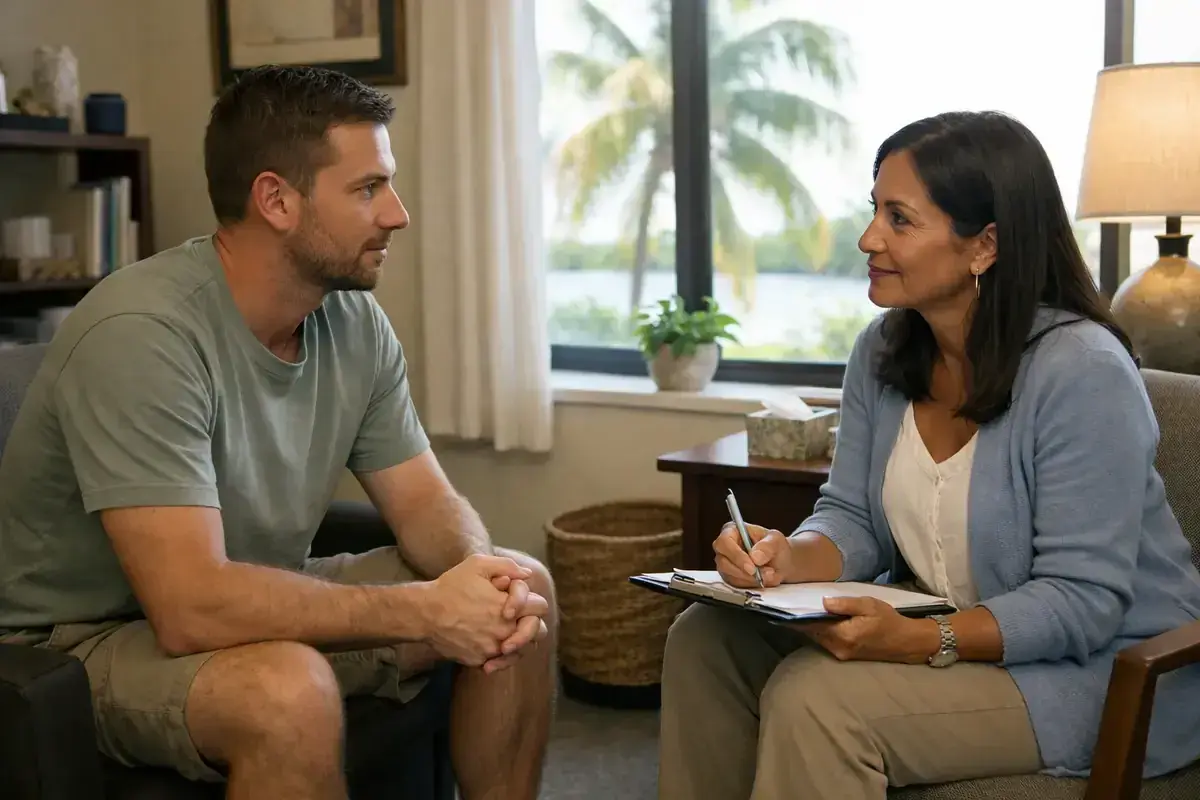
The first step is usually a confidential conversation followed by an assessment. The team will ask about the amount and frequency of drinking, when the last drink was, any prior detox experiences, history of seizures or delirium tremens, medical conditions, current prescriptions, other substance use, and mental health concerns. They may also ask about transportation, housing stability, and support from family or friends in South Florida. These details help guide safe recommendations.
If detox is recommended, the focus is on monitoring, symptom management, and planning what comes next. Detox alone is often only the beginning of treatment. Once the person is more stable, the next level of care may include residential treatment for more structure or outpatient treatment for continued support while living at home. The recommendation depends on the assessment, clinical progress, and practical needs such as safety, transportation, and family responsibilities.
- Be ready to share honest information about drinking patterns and any other drug use.
- Bring a list of medications, allergies, and relevant medical or mental health history if available.
- Ask what level of care may be recommended after detox based on the assessment.
Withdrawal can be dangerous to manage alone. Our Florida detox program provides 24/7 medical monitoring and a plan for what comes next. Call 866-931-9677.
Detox at home versus professional detox
Many families wonder if a person can just stop drinking at home with support from loved ones. In some situations, people do try to stop on their own, but home withdrawal can quickly become unpredictable. Without medical monitoring, it may be hard to tell whether increasing sweating, tremors, agitation, or insomnia are staying mild or moving toward a more dangerous stage. Loved ones may also feel unprepared if symptoms worsen at night or over a weekend.
A professional detox setting offers observation, clinical support, and a direct path into continuing treatment. That matters in Florida, where long distances between neighborhoods, hurricane-season disruptions, and the sheer pace of South Florida life can make “we’ll see how it goes tonight” an unsafe plan. If you are seeing miami alcohol withdrawal symptoms and are unsure what is safe, it is time to call 866-931-9677 and ask about an assessment for detox.
How detox connects to longer-term recovery
Relief from withdrawal is important, but it does not by itself resolve alcohol use disorder. Ongoing treatment can help people understand triggers, repair routines, manage stress without alcohol, and address depression, anxiety, trauma, or family conflict. Florida Helps offers a continuum that may include residential and outpatient care after detox, depending on what the assessment shows. Starting with the right level of care can make the next steps feel more manageable and more organized.
For families in Miami and elsewhere in Florida, one of the most helpful actions is to move from fear and uncertainty to a concrete plan. If someone is drinking to avoid feeling sick, has tried to stop and could not, or seems trapped in a cycle of withdrawal and relapse, do not wait for a crisis. Start with medically supervised detox and build forward from there. A good first step is https://floridahelps.com/programs/detox/ or a call to 866-931-9677.
- Detox helps with immediate stabilization; ongoing treatment helps address relapse risk.
- Residential care may fit people who need more structure after detox.
- Outpatient care may fit people who are stable enough to continue treatment while living at home.
Related reading
- Alcohol Withdrawal Symptoms
- Can Florida Urgent Care Treat Alcohol Withdrawal?
- Tampa Alcohol Withdrawal Symptoms and ER Risks
- Alcohol Withdrawal Symptoms in Florida Heat
- Florida 988 for Alcohol Withdrawal Crisis Support
If you are seeing signs of alcohol withdrawal in Miami or anywhere in Florida, do not wait for symptoms to become overwhelming or dangerous. Medically supervised detox can be the safest way to begin. Call 866-931-9677 today or visit https://floridahelps.com/programs/detox/ to take the first step toward care after an assessment.
Start medically supervised detox in Florida
Do not wait for withdrawal to get worse. Our admissions team can talk through detox at Florida Helps and the next level of care. Call 866-931-9677.
Frequently asked questions
How soon do alcohol withdrawal symptoms start after the last drink?
Symptoms often begin within several hours after the last drink, but the exact timing varies. Some people notice anxiety, sweating, tremors, nausea, or trouble sleeping first. Because withdrawal can intensify over the first couple of days, it is safer to get assessed early rather than waiting to see whether symptoms become severe.
Can alcohol withdrawal be dangerous even if someone has never had a seizure before?
Yes. A person does not need a past seizure history to have dangerous withdrawal. Severity can change from one episode to the next based on drinking pattern, overall health, age, other substances, and medications. That is why medical evaluation is important whenever withdrawal symptoms are significant or worsening.
What if my loved one in Miami says they can detox alone at home?
Families often hear this, especially when the person wants privacy or feels embarrassed. The concern is that withdrawal is unpredictable and can worsen quickly. A professional assessment can clarify risk and help determine whether medically supervised detox is the safer option before symptoms become a crisis at home.
Will detox also treat anxiety or depression?
Detox focuses on stabilization and safe withdrawal, but mental health symptoms are still important during assessment and treatment planning. Anxiety, depression, trauma, sleep problems, and other concerns can affect withdrawal and recovery. After detox, the recommended next step may include residential or outpatient care to address both substance use and mental health needs.
How do we get started with Florida Helps?
The simplest step is to call 866-931-9677 or visit https://floridahelps.com/programs/detox/. You can discuss current symptoms, alcohol use history, and immediate concerns, and the team can explain the assessment process. From there, recommendations are based on clinical needs, safety considerations, and the most appropriate level of care.
Further treatment information
These public health resources offer background for comparing options and preparing questions for a care team. They do not confirm local appointment availability.