
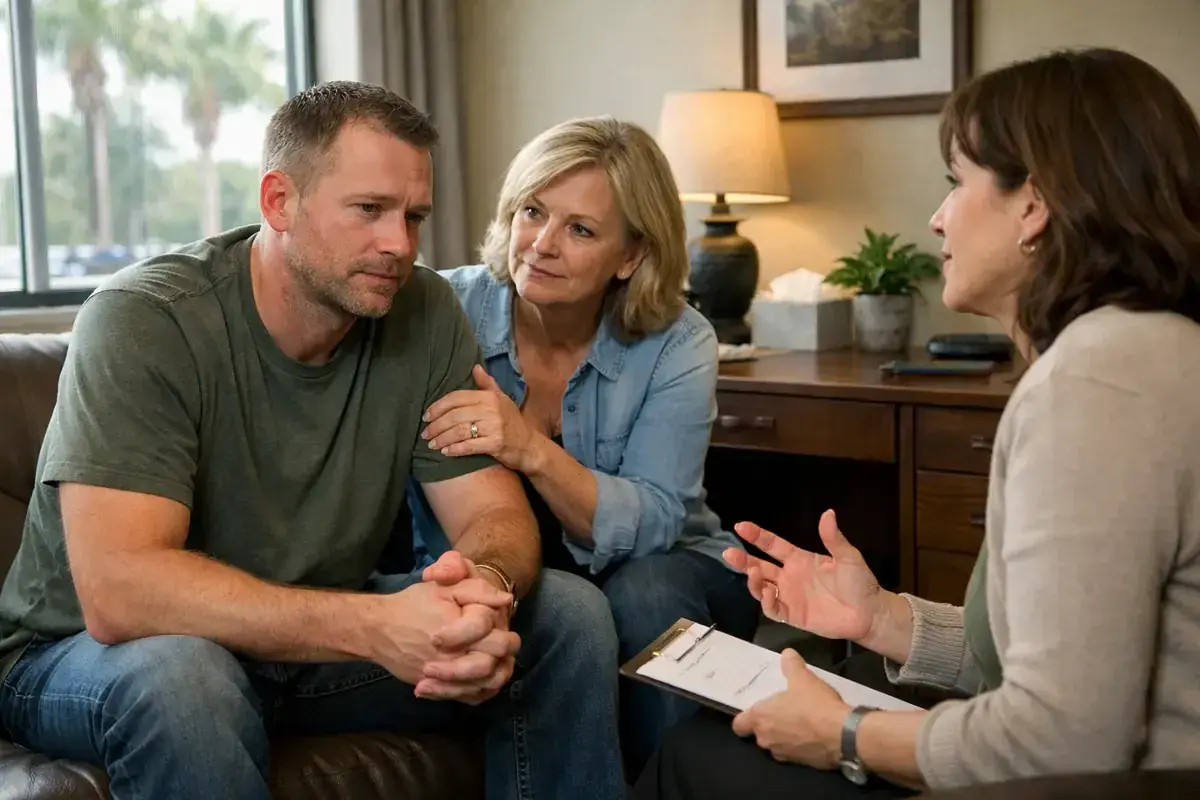
Kratom is often marketed as a natural product, but regular or heavy use can still lead to dependence and uncomfortable withdrawal. If you or someone you love in Jacksonville is searching for answers about jacksonville kratom withdrawal symptoms, it is important to know that symptoms can affect the body, mood, sleep, and daily functioning in ways that feel overwhelming without help.
Florida Helps offers medically supervised detox in Florida. If withdrawal is starting or you are afraid to stop on your own, call 866-931-9677 today.
For some people, trying to quit at home leads to repeated relapse, worsening anxiety, or mixing kratom with alcohol or other substances to get through the discomfort. Florida Helps offers medically supervised detox, along with residential and outpatient care in Florida, and care decisions follow a clinical assessment. If withdrawal is starting or getting worse, call 866-931-9677 and ask about the Florida Helps detox program page and next steps for an assessment.
What kratom withdrawal can look like in Jacksonville adults
Jacksonville kratom withdrawal symptoms can vary from person to person, but many people describe a pattern that feels similar to stopping other mood-altering substances after regular use. Symptoms may begin within hours to a day after the last dose and can include restlessness, sweating, chills, body aches, stomach upset, irritability, and trouble sleeping. Some people also report strong cravings, low mood, and difficulty focusing at work or at home.
In Northeast Florida, withdrawal may be harder to manage when someone is balancing outdoor work, family responsibilities, or long commutes across the Jacksonville area while feeling physically unwell and mentally strained. If kratom has become part of a daily routine, quitting without support can feel destabilizing. Florida Helps encourages a medical assessment first, because symptom severity, other substances used, and mental health concerns all affect the safest next step.
- Common physical symptoms include nausea, diarrhea, muscle aches, sweating, chills, and fatigue.
- Common emotional symptoms include anxiety, irritability, low mood, agitation, and cravings.
- Sleep disruption is common and may include insomnia, vivid dreams, or restless sleep.
- Symptoms may feel more intense if kratom was used in large amounts or with other substances.
Why medically supervised detox may be the safest place to start
Detox is not just about getting through a few hard days. It is about managing withdrawal in a structured setting where symptoms, hydration, sleep, mood, and safety can be monitored. Medically supervised detox can be especially important when kratom use is heavy, when there is a history of panic, depression, trauma, or when alcohol, opioids, benzodiazepines, or stimulants are also involved. A careful assessment helps determine the right level of care.
Florida Helps provides medically supervised detox in Florida as part of a full continuum that may also include residential and outpatient treatment after stabilization. That matters because withdrawal is often only the first step. Many people need ongoing support to address the reasons kratom use continued despite consequences. To begin, call 866-931-9677 and ask about the detox program at Florida Helps and whether an assessment indicates detox, residential treatment, or outpatient care.
How different levels of care may fit kratom withdrawal needs
| Level of care | Best fit | Main focus | Setting |
|---|---|---|---|
| Medically supervised detox | Active withdrawal or unstable symptoms | Stabilization and monitoring | Structured clinical setting |
| Residential treatment | High relapse risk or unsafe home triggers | Daily therapy and recovery structure | Live-in treatment setting |
| Outpatient care | Milder symptoms and stable support | Therapy while living at home | Scheduled visits |
| Assessment only at first | Unclear severity or mixed symptoms | Determine safest next step | Clinical evaluation |
| Emergency services | Medical or psychiatric crisis | Immediate stabilization | Hospital or emergency setting |
When withdrawal becomes more concerning
Even when kratom withdrawal is not usually described the same way as alcohol or benzodiazepine withdrawal, it can still become serious enough to require close clinical support. Dehydration from vomiting or diarrhea, severe insomnia, panic, depression, or using multiple substances to cope can raise the risk level quickly. Families in Jacksonville should take changes in behavior seriously, especially if the person becomes isolated, hopeless, impulsive, or unable to keep fluids down.
National guidance from organizations such as SAMHSA, NIDA, and ASAM supports individualized treatment planning for substance use and co-occurring mental health concerns. In practice, that means no one should assume all withdrawal is mild or manageable at home. If the person is confused, expressing thoughts of self-harm, having chest pain, or showing signs of a medical emergency, seek immediate emergency help. For non-emergency support, Florida Helps can assess whether medically supervised detox is appropriate.
- Call for urgent medical help right away if there are thoughts of self-harm, severe confusion, chest pain, or trouble breathing.
- A history of depression, anxiety, trauma, or prior relapse can make at-home withdrawal harder to manage.
- Using kratom with alcohol, opioids, or sedatives can increase complexity and safety concerns.
- Family members should watch for dehydration, worsening agitation, and inability to sleep for extended periods.
What an assessment may consider before recommending care
At Florida Helps, care decisions follow an assessment rather than a one-size-fits-all plan. Clinicians may look at how much kratom is being used, how often it is taken, how long use has been going on, and whether there are prior attempts to quit. They also consider physical health, current medications, mental health symptoms, and whether other substances are part of the picture. This helps determine whether detox, residential treatment, or outpatient care is the right starting point.
For Jacksonville residents, practical concerns matter too. Safe transportation, home support, work demands, childcare, and the risk of returning to a triggering environment can all influence the care recommendation. Someone with mild symptoms and stable support may not need the same level of care as someone facing severe cravings, repeated failed quit attempts, or co-occurring depression. The goal is not to overpromise. It is to match treatment to actual need as carefully and safely as possible.
Withdrawal can be dangerous to manage alone. Our Florida detox program provides 24/7 medical monitoring and a plan for what comes next. Call 866-931-9677.
Detox, residential, and outpatient care: how they differ
People often ask whether they should start with detox or go straight to outpatient treatment. The answer depends on current withdrawal symptoms, overall stability, and relapse risk. Medically supervised detox focuses on the early phase of withdrawal and stabilization. Residential treatment offers a more structured environment after detox for people who need distance from triggers and consistent daily support. Outpatient care can be useful when symptoms are manageable and the home environment is stable enough to support recovery work.
Because kratom withdrawal often overlaps with anxiety, insomnia, and other substance use, many Jacksonville families find that stepping into a full continuum creates the best chance to stay engaged in care. Florida Helps offers medically supervised detox, residential, and outpatient treatment in Florida, with placement based on assessment findings. If you are unsure where to begin, the safest first step is often to ask for an assessment and discuss the detox program at Florida Helps with an admissions specialist at 866-931-9677.
How families in Jacksonville can support recovery right now
Family support can make a meaningful difference, especially in the first days after someone decides to stop using kratom. A calm approach usually works better than arguing, threatening, or trying to force a promise. Encourage the person to be honest about all substances being used, because hidden alcohol or pill use can change the safety picture. If withdrawal has already started, avoid telling them to simply push through it alone if symptoms are escalating or relapse has happened before.
If you are supporting an adult child, spouse, sibling, or parent in Jacksonville, focus on getting an assessment instead of debating whether the problem is serious enough. Kratom dependence can become disruptive long before a person recognizes how much control they have lost. Florida Helps can help determine whether medically supervised detox is the right place to start and what level of care should follow.
- Stay calm and speak in specific, nonjudgmental language about what you have observed.
- Encourage an assessment rather than a do-it-yourself detox plan when symptoms are worsening.
- Ask about all substance use, prescriptions, and mental health symptoms so care can be matched safely.
- Have the person call 866-931-9677 with you if they feel anxious about reaching out.
- If there is immediate danger, use emergency services rather than waiting for symptoms to pass.
Related reading
- Kratom Withdrawal Symptoms
- Florida 988 for Kratom Withdrawal Support
- South Florida Kratom Detox Resources
- Is Kratom Legal in Florida Cities?
- Miami Kratom Withdrawal Symptoms Guide
If you are searching for jacksonville kratom withdrawal symptoms support, do not wait for things to get worse at home. A professional assessment can clarify whether medically supervised detox is the safest place to begin and what care should come next. Call Florida Helps at 866-931-9677 today to discuss the detox program, your symptoms, and a treatment plan based on your needs in Florida.
Start medically supervised detox in Florida
Do not wait for withdrawal to get worse. Our admissions team can talk through detox at Florida Helps and the next level of care. Call 866-931-9677.
Frequently asked questions
How long do kratom withdrawal symptoms usually last?
The timeline can vary based on dose, frequency, duration of use, and whether other substances are involved. Many people notice early symptoms within hours to a day after stopping, with several difficult days followed by gradual improvement. Sleep, mood, and cravings may last longer. An assessment is the best way to judge whether detox support is needed.
Can I detox from kratom at home in Jacksonville?
Some people try to stop at home, but that is not always the safest or most effective approach. If symptoms are severe, if there is a history of relapse, or if alcohol, opioids, benzodiazepines, or major mental health symptoms are part of the picture, medically supervised detox may be more appropriate. Florida Helps can help determine the right level of care after an assessment.
Is kratom withdrawal dangerous?
It can be more serious than many people expect, especially when dehydration, severe insomnia, depression, panic, or polysubstance use are involved. While every case is different, no one should assume withdrawal will be mild because kratom is sold as a plant-based product. Seek emergency help for chest pain, trouble breathing, severe confusion, or thoughts of self-harm.
What happens after detox if I still need help?
Detox is often just the first phase of care. After stabilization, some people benefit from residential treatment for a more structured environment, while others may step into outpatient care if they are stable enough. Florida Helps offers multiple levels of care in Florida, and recommendations follow an assessment of symptoms, relapse risk, and support at home.
How do I get started with Florida Helps for kratom withdrawal support?
Call 866-931-9677 and ask about the Florida Helps detox program page and the assessment process. Share what substances are being used, any current withdrawal symptoms, and whether there are mental health concerns or prior quit attempts. The team can explain the next steps and help determine whether medically supervised detox, residential care, or outpatient treatment fits your situation.
Further treatment information
These public health resources offer background for comparing options and preparing questions for a care team. They do not confirm local appointment availability.