
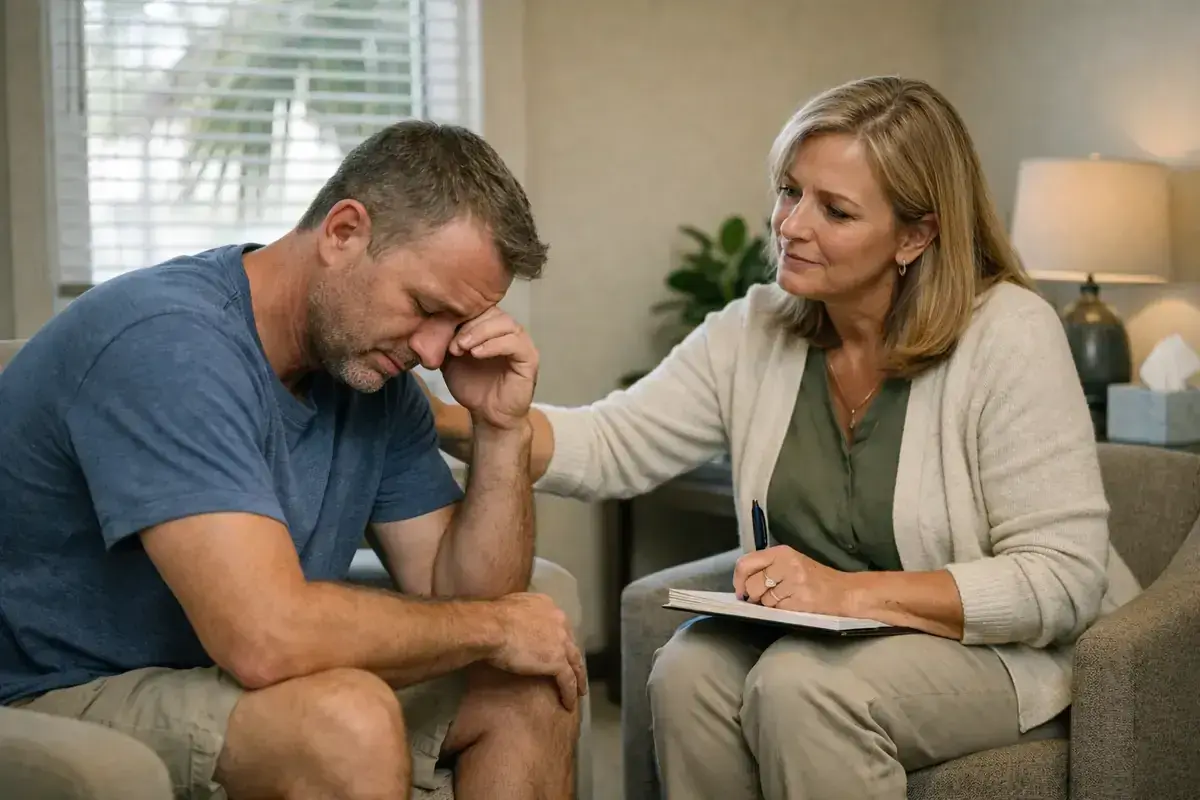
Adderall withdrawal can feel overwhelming, especially when a person in Jacksonville has been relying on the medication or misusing stimulants to get through work, school, parenting, or daily stress. When use stops or drops suddenly, people may experience exhaustion, low mood, sleep disruption, irritability, anxiety, and intense cravings. Families often do not know whether the situation will improve with rest or whether it is time to seek professional help. In Florida, that decision should begin with a clinical assessment that looks at substance use, mental health, physical health, and immediate safety concerns.
Florida Helps offers medically supervised detox in Florida. If withdrawal is starting or you are afraid to stop on your own, call 866-931-9677 today.
If you are searching for Jacksonville Adderall withdrawal support, it is important to know that detox and treatment are not one size fits all. Florida Helps provides medically supervised detox, along with residential and outpatient care, so the level of support can follow the person’s actual needs after assessment. A strong first step is to contact Florida Helps and ask about medically supervised detox at https://floridahelps.com/programs/detox/ or call 866-931-9677. Early treatment can reduce risk, create structure, and help people move into the next phase of recovery with a clear plan.
What Adderall withdrawal can look like in Jacksonville adults
Adderall is a stimulant, and withdrawal often looks different from withdrawal from alcohol or opioids. A person may not seem medically unstable at first, but they can still be struggling significantly. Common concerns include a sudden crash in energy, heavy sleep, slowed thinking, depressed mood, and a strong urge to use again just to feel normal. In Jacksonville, where long commutes, shift work, and year-round demands can mask these symptoms, families sometimes mistake withdrawal for burnout or laziness.
Withdrawal can also affect judgment and emotional stability. Some adults become unusually agitated, withdrawn, hopeless, or unable to manage daily responsibilities. If there is co-occurring anxiety, depression, trauma, bipolar disorder, or polysubstance use, symptoms can become more complicated. According to the National Institute on Drug Abuse and guidance commonly used in addiction treatment, stimulant withdrawal can involve significant psychological distress. That is one reason a professional assessment matters before deciding whether home care is enough or a higher level of support is needed.
- Extreme fatigue or sleeping much more than usual
- Low mood, anxiety, irritability, or emotional numbness
- Strong cravings for Adderall or other stimulants
- Trouble concentrating, slowed thinking, or feeling unmotivated
- Changes in appetite, headaches, or body discomfort
Why medically supervised detox matters in Florida
People sometimes assume stimulant withdrawal does not require detox because it may not produce the same visible physical danger associated with some other substances. In reality, medically supervised detox can still be an important and protective setting. A person withdrawing from Adderall may need monitoring for mood changes, dehydration, sleep disruption, nutritional issues, suicidal thinking, or co-occurring use of alcohol, benzodiazepines, opioids, or other drugs. In Florida treatment settings, detox also creates a controlled environment away from access to substances and daily triggers.
At Florida Helps, care decisions follow an assessment rather than assumptions. That means the team can determine whether detox is appropriate, whether residential treatment is the better next step, or whether outpatient care can safely support recovery after stabilization. For Jacksonville residents and families, starting with the detox program page at https://floridahelps.com/programs/detox/ can help you understand the role of supervised care. If symptoms feel severe, if relapse risk is high, or if mental health concerns are present, reaching out quickly is the safer move.
- Assessment of withdrawal severity and relapse risk
- Monitoring of mood, sleep, hydration, and overall functioning
- Support for co-occurring mental health symptoms
- Transition planning into residential or outpatient treatment
- A structured setting removed from immediate substance access
Comparison of common support options for Jacksonville Adderall withdrawal
| Option | Best fit | Main benefit | Main limitation |
|---|---|---|---|
| Home withdrawal alone | Mild symptoms, low risk, clinician agrees | Familiar setting | Limited monitoring and relapse risk |
| Outpatient support | Stable symptoms, reliable support system | Treatment while living at home | Not ideal for severe crash or instability |
| Residential treatment | Needs daily structure after stabilization | High support and routine | More intensive time commitment |
| Medically supervised detox | Withdrawal, cravings, mood concerns, polysubstance risk | Assessment, monitoring, safe transition planning | Usually first phase, not the whole recovery plan |
| Emergency evaluation | Suicidal thoughts, psychosis, severe medical concerns | Immediate safety response | Focuses on crisis, then next-step referral |
When withdrawal may be more serious than it appears
Adderall withdrawal can begin with a crash, but the deeper concern is often psychological. Someone may feel hopeless, ashamed, or unable to imagine functioning without stimulants. In Jacksonville households, loved ones may see a person sleeping most of the day, missing work, isolating, or becoming unusually short-tempered. These changes can intensify quickly, especially if the person has a history of depression, panic, trauma, or self-harm. The Substance Abuse and Mental Health Services Administration emphasizes the importance of prompt evaluation when substance use and mental health symptoms overlap.
Certain situations raise the need for urgent support. If a person has chest pain, severe confusion, hallucinations, suicidal thoughts, or has been mixing Adderall with other substances, emergency evaluation may be needed right away. Even without those red flags, families should not minimize ongoing cravings and emotional instability. Florida’s climate and pace of life can make it easier to hide a stimulant problem behind productivity or exhaustion, but hidden problems still deserve treatment. A medically supervised setting can help separate withdrawal symptoms from other psychiatric or medical concerns.
How detox can connect to residential or outpatient treatment
Detox is often the beginning, not the whole plan. Once the immediate withdrawal period has been addressed, the next step depends on the assessment: residential care may fit people who need a structured environment and daily support, while outpatient care may fit those who are medically stable and able to participate safely while living at home. Florida Helps offers medically supervised detox as well as residential and outpatient options, which can make transitions smoother when someone is still vulnerable to cravings and relapse.
For Jacksonville families, this full continuum matters. A person who stops Adderall may still need help rebuilding sleep, mood regulation, coping skills, and routines that do not revolve around stimulants. Treatment can also address why use escalated in the first place, whether that involves academic pressure, demanding work schedules, untreated ADHD questions, trauma, or another mental health issue. In Florida, where many adults juggle tourism, healthcare, logistics, service, and construction jobs with irregular hours, structured follow-up after detox can be especially important.
- Detox for stabilization and monitoring
- Residential care for more structure and daily clinical support
- Outpatient care for ongoing therapy and relapse prevention
- Family involvement when clinically appropriate
- Aftercare planning based on individual needs and progress
Withdrawal can be dangerous to manage alone. Our Florida detox program provides 24/7 medical monitoring and a plan for what comes next. Call 866-931-9677.
Home withdrawal versus professional support
Some people do try to stop Adderall at home. In mild cases, with no serious mental health symptoms and no other substances involved, a clinician may decide that outpatient support is appropriate. But many families underestimate how hard the crash can be or how quickly cravings can lead back to misuse. Professional support is not about punishment. It is about giving the person a safer, more stable environment while clinicians watch for complications and build the next step of care.
In Northeast Florida, distance, work obligations, and family responsibilities sometimes push people to delay treatment. Delay can make things harder, not easier. If the person is repeatedly trying to stop and returning to use, sleeping around the clock, becoming emotionally unstable, or unable to manage normal responsibilities, an assessment should happen now. Florida Helps can help determine whether detox, residential, or outpatient care is the right fit after evaluation, rather than leaving families to guess.
Related reading
- Adderall Withdrawal
- Florida 988 for Adderall Withdrawal Crisis
- Florida Prescription Stimulant Laws and Adderall
- Miami Adderall Withdrawal Help
- South Florida Adderall Detox Programs
If you or someone you love is struggling with Jacksonville Adderall withdrawal, do not wait for the crash to pass on its own if symptoms are worsening or relapse keeps happening. Florida-specific, medically supervised care can offer a safer start and a clearer path forward. Contact Florida Helps at 866-931-9677 and ask about the detox program at https://floridahelps.com/programs/detox/. You can also review detox information at https://floridahelps.com/programs/detox/ before calling. The right next step begins with an assessment.
Start medically supervised detox in Florida
Do not wait for withdrawal to get worse. Our admissions team can talk through detox at Florida Helps and the next level of care. Call 866-931-9677.
Frequently asked questions
How long does Adderall withdrawal last?
The timeline varies based on dose, frequency, length of use, other substances, and mental health history. Many people feel an early crash with fatigue and sleep changes, then ongoing cravings, low mood, and concentration problems for days or longer. A clinical assessment is the best way to understand risk and determine whether detox or another level of care is appropriate.
Is Adderall withdrawal dangerous?
It can be serious, especially when depression, suicidal thoughts, agitation, or use of other substances are involved. Even when withdrawal is not medically dramatic, it can still impair judgment and trigger quick relapse. Professional evaluation is important if symptoms are intense, functioning drops sharply, or the person has co-occurring mental health concerns.
Can I detox from Adderall at home in Jacksonville?
Some people may be able to stop with outpatient support, but that decision should be made after assessment, not guesswork. Home withdrawal may be risky if there are severe mood symptoms, repeated relapse, polysubstance use, or limited support. Medically supervised detox can offer a safer setting and help connect the person to the right next step in treatment.
What happens after detox at Florida Helps?
Detox is often followed by a recommendation for residential or outpatient treatment, depending on the person’s needs after assessment. The goal is to move from immediate stabilization into ongoing support for cravings, mental health, coping skills, routines, and relapse prevention. A full treatment plan should match the person’s symptoms, functioning, and recovery goals.
How do families help someone with Jacksonville Adderall withdrawal?
Families can help by taking symptoms seriously, avoiding arguments about willpower, and encouraging a professional assessment as soon as possible. If the person seems severely depressed, hopeless, confused, or unsafe, seek urgent help right away. Families can also call Florida Helps to ask about medically supervised detox and what level of care may fit after evaluation.
Further treatment information
These public health resources offer background for comparing options and preparing questions for a care team. They do not confirm local appointment availability.