
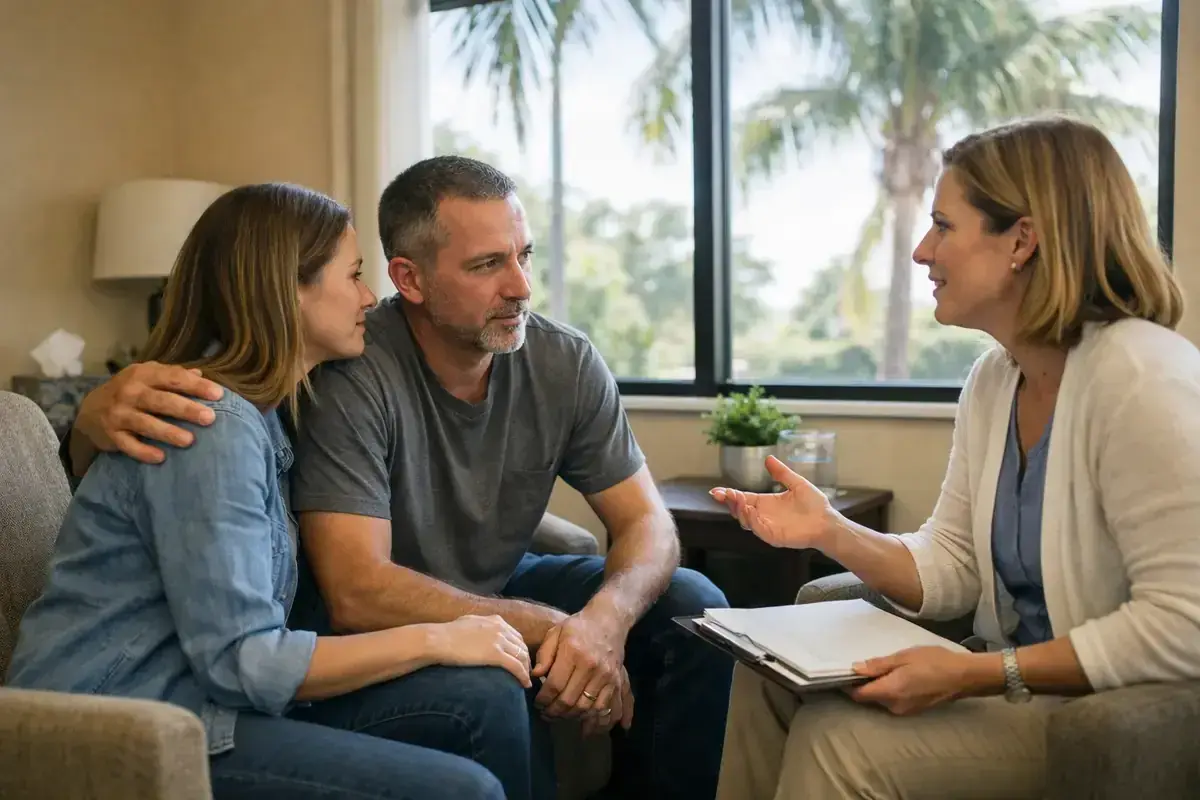
If you are searching for south florida kratom withdrawal help, you may already know that stopping kratom can feel much harder than expected. People in Miami-Dade, Broward, Palm Beach, and nearby communities often describe a mix of physical discomfort, anxiety, insomnia, stomach upset, and strong cravings that interfere with work, parenting, and daily life. When symptoms feel overwhelming, medically supervised detox can offer a safer, more structured place to begin.
Florida Helps offers medically supervised detox in Florida. If withdrawal is starting or you are afraid to stop on your own, call 866-931-9677 today.
Florida Helps provides medically supervised detox as part of a full continuum that also includes residential and outpatient care. Because kratom use patterns, other substances, mental health concerns, and medical needs vary from person to person, treatment recommendations should always follow an assessment. If you are ready to take action now, call 866-931-9677 or visit https://floridahelps.com/programs/detox/ to learn how detox can be the first step toward stabilization and ongoing treatment.
Why kratom withdrawal can be difficult in South Florida
Kratom is often discussed as if it were mild or easy to stop, but that does not match many real experiences. NIDA notes that kratom can have drug-like effects and may lead to dependence in some people. In South Florida, where year-round stress, nightlife, long commutes, and easy access to many substances can complicate recovery, withdrawal may feel especially disruptive. What begins as an attempt to self-manage pain, mood, or energy can turn into a daily cycle that is hard to break alone.
Families are often surprised by how quickly routines can shift around kratom use. Someone may start taking more, combining it with alcohol or other drugs, or using it to get through workdays in Fort Lauderdale, Miami, West Palm Beach, or coastal service jobs with irregular hours. Once use escalates, stopping can trigger symptoms that increase the risk of relapse. That is one reason a medically supervised setting is often a better starting point than trying to manage withdrawal at home.
Common kratom withdrawal symptoms and when to seek urgent help
Kratom withdrawal can look different from person to person, but certain patterns are common. Symptoms may include restlessness, sweating, chills, muscle aches, nausea, diarrhea, low mood, irritability, difficulty sleeping, and intense cravings. Some people also feel emotionally flooded, panicky, or unable to function at work or home. If kratom has been used alongside opioids, benzodiazepines, stimulants, or alcohol, withdrawal and detox planning can become more complex and should be assessed carefully.
Medical and mental health safety matters. Seek urgent help right away for chest pain, trouble breathing, severe dehydration, confusion, hallucinations, seizure activity, suicidal thoughts, or any situation where the person cannot be safely monitored. SAMHSA emphasizes the importance of professional evaluation when substance use and mental health symptoms overlap. In South Florida, where heat and humidity can worsen dehydration and physical stress, a supervised detox setting may help reduce avoidable complications during the first days of withdrawal.
- Physical symptoms may include nausea, vomiting, diarrhea, sweating, chills, body aches, and sleep problems.
- Mental health symptoms may include anxiety, agitation, depression, mood swings, or strong cravings.
- Immediate evaluation is important if there are suicidal thoughts, severe confusion, dehydration, or polysubstance use.
Kratom support options in South Florida
| Option | Best fit | Main concern | Possible next step |
|---|---|---|---|
| Home withdrawal | Mild symptoms, strong support | Relapse or worsening symptoms | Call for assessment |
| Medical detox | Moderate to severe withdrawal | Needs monitoring and stabilization | Step into residential or outpatient |
| Residential care | High relapse risk or unstable home | Needs 24-hour structure | Continue with outpatient |
| Outpatient care | Stable after detox | Needs ongoing therapy and support | Regular follow-up |
| Emergency evaluation | Safety crisis or severe symptoms | Immediate medical or psychiatric risk | Higher level of care |
What medically supervised detox may involve
A detox admission is not one-size-fits-all. At Florida Helps, care decisions follow an assessment that looks at recent kratom use, amount and frequency, co-occurring mental health symptoms, other substances, medical history, and immediate safety needs. That assessment helps determine whether detox is appropriate and what level of support may be needed afterward. For some people, the priority is symptom monitoring and stabilization. For others, detox is also the entry point into a larger plan for ongoing treatment.
In a medically supervised detox setting, the focus is on safe withdrawal management, observation, hydration, rest, and clinical support. The team can monitor symptoms, respond to changes, and help address the intense discomfort that often leads people to return to use. This is especially important for individuals who have tried to quit multiple times, those with depression or anxiety, and people mixing kratom with other substances. To start exploring options, visit https://floridahelps.com/programs/detox/ or call 866-931-9677.
- Assessment guides the plan rather than assumptions or a fixed schedule.
- Monitoring can be especially important when other substances or mental health symptoms are involved.
- Detox is often the first step before residential or outpatient treatment.
Detox at home versus a South Florida treatment setting
Some people attempt to stop kratom at home because they want privacy or hope symptoms will pass quickly. Home withdrawal may seem manageable at first, but the risk usually increases when symptoms intensify overnight, cravings spike, sleep disappears, or other substances are used to cope. Families in South Florida also have to consider practical issues such as hurricane season disruptions, transportation stress, childcare responsibilities, and jobs with unpredictable schedules that can make home monitoring inconsistent.
A treatment setting offers structure when motivation is low and symptoms are changing hour by hour. It can also reduce the isolation that often fuels relapse. For someone who feels trapped by repeated quitting attempts, a medically supervised environment can provide a more realistic way to get through the first phase safely. If withdrawal is affecting your ability to function, consider beginning with detox at https://floridahelps.com/programs/detox/ and then following the recommendations that come from a professional assessment.
Withdrawal can be dangerous to manage alone. Our Florida detox program provides 24/7 medical monitoring and a plan for what comes next. Call 866-931-9677.
How detox connects to residential and outpatient care in Florida
Detox alone may not address why kratom use continued or what will help prevent a return to use. Once withdrawal is stabilized, the next step may include residential care for a more structured environment or outpatient treatment for continued support while living at home. Florida Helps offers medically supervised detox along with residential and outpatient care, which can make the transition from one phase to the next more coordinated when continued treatment is recommended after assessment.
This matters for adults and families across South Florida because kratom use often overlaps with stress, trauma, chronic pain, anxiety, depression, or use of other substances. Ongoing treatment can help identify triggers, build coping strategies, and create a plan for work, family, and follow-up care. ASAM supports individualized placement based on assessed need, not guesswork. In practice, that means the right next step depends on symptoms, stability, relapse risk, home support, and co-occurring conditions.
What families can do right now
Families often want to help but are unsure whether they should wait, monitor at home, or encourage treatment immediately. A calm, direct conversation is usually more helpful than arguments, threats, or trying to force promises. Focus on what you are seeing: worsening symptoms, inability to stop, mental health changes, or using more than intended. If the person is open to it, encourage an assessment and talk through practical barriers like transportation, time away from work, or who will help with responsibilities while treatment begins.
If you are the one struggling with kratom, you do not need to prove how bad it is before asking for help. Repeated attempts to quit, escalating use, combining substances, and losing sleep are all valid reasons to seek support now. South Florida residents can start by calling 866-931-9677 to discuss next steps. A medically supervised detox can be the safest place to regain stability and move toward residential or outpatient care if recommended after assessment.
- Choose a calm time to talk and describe specific changes you have noticed.
- Remove blame from the conversation and focus on safety, symptoms, and next steps.
- Encourage a professional assessment instead of trying to manage severe withdrawal alone.
- Be ready to help with logistics such as transportation, childcare, or communication with work.
Related reading
- Kratom Withdrawal Symptoms
- Florida 988 for Kratom Withdrawal Support
- Jacksonville Kratom Withdrawal Symptoms Support
- Is Kratom Legal in Florida Cities?
- Miami Kratom Withdrawal Symptoms Guide
If kratom use is taking over daily life, the safest next step may be to begin with medically supervised detox instead of trying to push through withdrawal alone. Florida Helps can talk with you about symptoms, immediate concerns, and what level of care may fit after an assessment. Call 866-931-9677 today or visit https://floridahelps.com/programs/detox/ to take the first step toward stabilization and continued treatment in South Florida.
Start medically supervised detox in Florida
Do not wait for withdrawal to get worse. Our admissions team can talk through detox at Florida Helps and the next level of care. Call 866-931-9677.
Frequently asked questions
How long does kratom withdrawal last?
The timeline varies based on amount used, frequency, product strength, other substances, and the person’s health. Many people notice the first symptoms within a day of stopping, with the most intense discomfort often happening in the first several days. Because there is no universal timeline, an assessment is the best way to determine whether detox support is advisable.
Is kratom withdrawal dangerous?
It can be very distressing, and in some cases risks increase because of dehydration, severe insomnia, mental health symptoms, or the use of other substances. The danger level depends on the individual situation. If there is confusion, chest pain, trouble breathing, severe dehydration, suicidal thoughts, or polysubstance use, seek urgent medical help and professional evaluation right away.
Can I detox from kratom at home?
Some people try, but home detox can become risky when cravings spike, sleep disappears, symptoms worsen, or family members cannot monitor consistently. It may be especially unsafe if alcohol, opioids, benzodiazepines, or stimulants are also involved. A medically supervised detox offers assessment, monitoring, and a more structured setting when stopping at home does not feel manageable.
What happens after detox at Florida Helps?
After detox, the next recommendation depends on your assessment, progress, safety, and support needs. Some people may benefit from residential care for more structure, while others may transition to outpatient treatment. The goal is not just getting through withdrawal but building a realistic plan for continued care, relapse prevention, and support for co-occurring mental health needs when present.
How do I know if my family member needs treatment now?
Warning signs include repeated failed attempts to quit, increasing amounts of kratom, combining substances, serious sleep disruption, emotional volatility, inability to meet daily responsibilities, or any mental health or safety concerns. You do not have to wait for things to get worse. Calling for guidance and scheduling an assessment can help clarify whether detox should start right away.
Further treatment information
These public health resources offer background for comparing options and preparing questions for a care team. They do not confirm local appointment availability.