
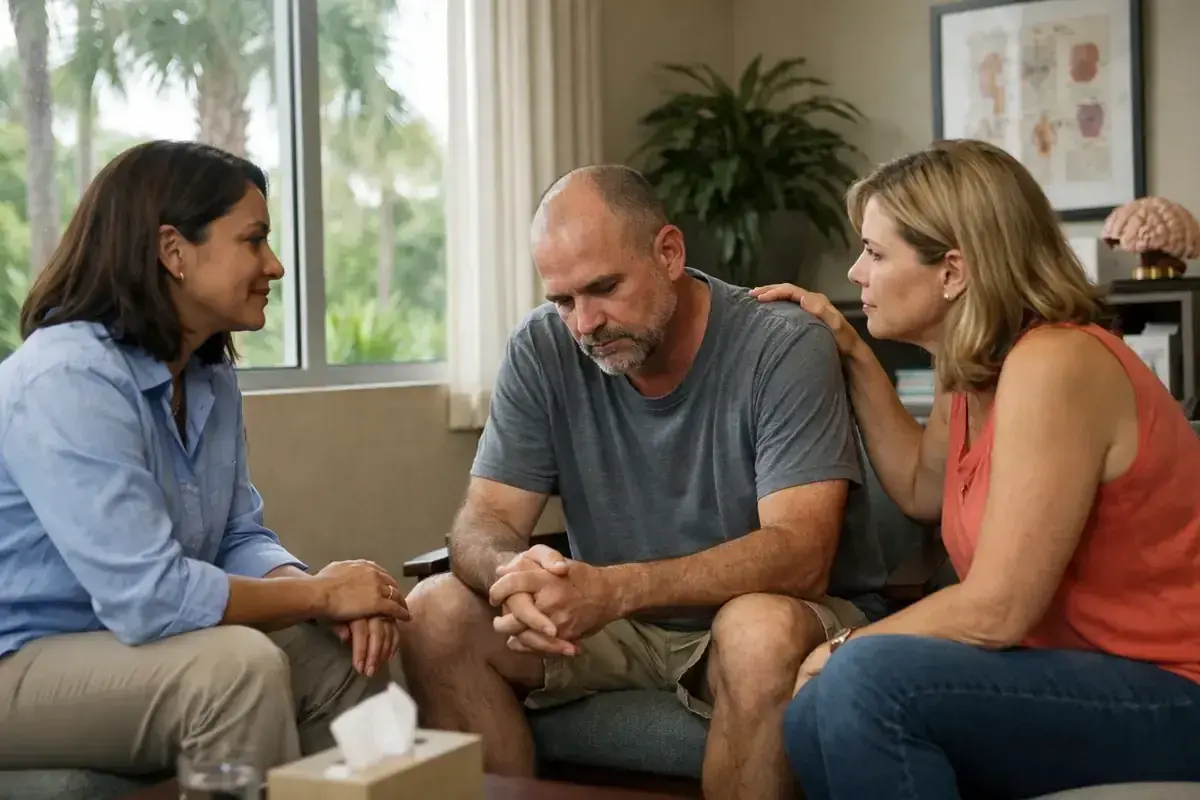
For many people in South Florida, stopping alcohol is not just a matter of willpower. Alcohol withdrawal can begin within hours after the last drink, and symptoms can change quickly. In Miami, the heat, dehydration risk, driving demands, and fast pace of daily life can make trying to detox alone even more stressful. A clear timeline can help you understand what may happen next and when it is time to get medical help.
Florida Helps offers medically supervised detox in Florida. If withdrawal is starting or you are afraid to stop on your own, call 866-931-9677 today.
If you are researching options for yourself or someone you love, the safest next step is to start with an assessment and consider medically supervised detox. Florida Helps provides detox, residential, and outpatient care in Florida, with care decisions based on each person’s clinical needs. To learn more about medically supervised detox, visit https://floridahelps.com/programs/detox/ or call 866-931-9677.
What the Miami alcohol withdrawal timeline usually looks like
Alcohol withdrawal often starts 6 to 24 hours after the last drink, but the exact timing depends on the person’s drinking pattern, overall health, age, nutrition, medications, and history of withdrawal. Some people first notice anxiety, sweating, nausea, shakiness, headache, trouble sleeping, or a racing heart. In Miami, where heat and humidity can worsen fluid loss, early symptoms may feel more intense if a person is already dehydrated.
Around 24 to 72 hours, symptoms may peak. For some people, this is the highest-risk period because severe complications can develop, including hallucinations, seizures, or delirium tremens. According to ASAM and NIAAA guidance commonly used in treatment settings, alcohol withdrawal can become a medical emergency. That is why self-detox can be dangerous, especially for people who have had prior withdrawals, daily heavy drinking, or co-occurring medical or mental health concerns.
Some symptoms improve after several days, but sleep disturbance, mood changes, cravings, and fatigue can last longer. This is one reason detox is only the first step. After stabilization, many people benefit from residential or outpatient treatment in Florida to address the causes of drinking and build a practical relapse-prevention plan suited to work, family, and recovery needs.
Why alcohol withdrawal can be especially risky to manage alone in South Florida
Trying to stop alcohol without medical support is risky anywhere, but local conditions matter. In Miami-Dade County and nearby communities, many people spend time in the sun, commute long distances, or work physically demanding jobs. If vomiting, sweating, poor appetite, or insomnia are part of withdrawal, the body can become strained fast. Even a person who seems stable in the morning can worsen by evening.
Another issue is delayed emergency response caused by hesitation. Families sometimes hope the person will sleep it off at home, but alcohol withdrawal does not always move in a straight line. Confusion, agitation, blood pressure changes, or seizures can begin suddenly. If there is any concern about severe withdrawal, emergency care may be needed right away, and an assessment can help determine the appropriate setting for detox and ongoing treatment.
- Florida heat and humidity can increase dehydration and physical stress during withdrawal.
- Driving on I-95 or other busy roads while shaky, anxious, or sleep-deprived is unsafe.
- People with hurricane-related stress, unstable housing, or limited support may need a more structured detox setting.
- Co-occurring anxiety, depression, or other substance use can complicate alcohol withdrawal and require closer monitoring.
Detox options comparison
| Option | Monitoring | Best fit | Main concern |
|---|---|---|---|
| Detox at home | Family observation only | Mild symptoms only after clinical guidance | Symptoms can escalate without warning |
| Medically supervised detox | Clinical monitoring and symptom management | Moderate to severe risk or uncertain risk | Requires formal admission after assessment |
| Residential treatment after detox | 24-hour structured support | Needs stability plus intensive recovery work | Not a substitute for emergency care |
| Outpatient care after detox | Scheduled therapy and recovery support | Stable symptoms and supportive home setting | May not fit high-risk withdrawal cases |
| Emergency department | Immediate urgent medical response | Seizures, hallucinations, severe confusion | Focused on stabilization, not full rehab |
Common symptoms by stage: what families often notice first
In the earliest stage, many adults appear restless, sweaty, irritable, or unable to sleep. They may complain of stomach upset, tremor, headache, and feeling on edge. Families in Florida sometimes mistake these signs for hangover, panic, or exhaustion. The difference is that withdrawal tends to intensify after alcohol leaves the system, especially when someone has been drinking heavily or consistently over time.
The middle stage may include stronger tremors, worsening nausea, sensitivity to light or sound, and marked anxiety. Some people become disoriented or report seeing or hearing things that are not there. A person may also have elevated pulse or blood pressure. These symptoms are not something to watch casually at home. They are signs that medical assessment is important.
Later, even when the most acute physical symptoms ease, many people still struggle with cravings, poor concentration, low mood, and disrupted sleep. That can be discouraging, but it does not mean treatment is failing. It means the brain and body are still adjusting. Structured support after detox can help people in Miami move from immediate safety to meaningful recovery work.
- Early stage: anxiety, sweating, tremor, nausea, insomnia, headache.
- Peak-risk stage: worsening tremor, agitation, hallucinations, seizures, confusion.
- Post-acute stage: fatigue, cravings, mood swings, poor sleep, trouble focusing.
When medically supervised detox is the safer choice
Medically supervised detox is often the safer choice when a person drinks daily, has had withdrawal before, has ever had a seizure, or has health conditions that may worsen during withdrawal. It is also important when there is co-occurring depression, panic symptoms, trauma, bipolar disorder, or use of other substances such as benzodiazepines or opioids. In these situations, symptoms can be harder to predict and more dangerous to manage at home.
A supervised setting allows monitoring, hydration support, symptom management, and quick response if complications emerge. It also creates a bridge into the next level of care after detox. At Florida Helps, care decisions follow an assessment so the treatment team can recommend the most appropriate path, whether that is detox, residential treatment, or outpatient support in Florida. You can review detox options at https://floridahelps.com/programs/detox/.
If you are unsure whether symptoms are serious enough, it is still worth calling. Waiting for absolute proof that things are getting worse can cost valuable time. A calm conversation about drinking history, current symptoms, medications, and past detox experiences can help clarify whether medically supervised detox is indicated now.
Withdrawal can be dangerous to manage alone. Our Florida detox program provides 24/7 medical monitoring and a plan for what comes next. Call 866-931-9677.
Detox at home versus a licensed detox program in Florida
Families often compare home detox with a treatment setting because home feels familiar and private. But familiarity is not the same as safety. Alcohol withdrawal can escalate quickly, and the problem at home is not only comfort. It is the lack of continuous clinical observation, symptom-based decision-making, and immediate medical response if a person becomes unstable.
In a licensed detox program, the focus is stabilization and safe transition to ongoing care. That matters because detox alone rarely addresses why drinking continued in the first place. Once the acute phase is managed, a person may need residential treatment for a more structured environment or outpatient care if symptoms and supports suggest that approach is clinically appropriate after assessment. Florida-specific planning may also include family involvement, transportation, and aftercare near home.
What to do now if you are concerned about withdrawal in Miami
If the person is confused, having a seizure, hallucinating, or difficult to wake, call emergency services immediately. If symptoms are milder but there is a pattern of heavy or daily drinking, do not assume home rest is enough. Start with a professional assessment as soon as possible. This is especially important for older adults, pregnant individuals, and anyone with heart disease, liver concerns, diabetes, or a history of severe withdrawal.
For many Florida families, the hardest part is taking the first step. A direct call can reduce uncertainty and help you understand options based on the person’s symptoms and history. Florida Helps offers medically supervised detox as part of a broader continuum that may include residential and outpatient treatment. To start exploring detox, visit https://floridahelps.com/programs/detox/ or call 866-931-9677.
If the person agrees to treatment, bring a list of medications, recent drinking patterns, and any known medical or psychiatric history. If they are hesitant, focus on immediate safety rather than arguing about labels. You do not need to settle every long-term recovery question today. The priority is getting through withdrawal safely and entering the level of care recommended after assessment.
- Call emergency services for seizures, severe confusion, or unresponsiveness.
- Seek prompt assessment if there is daily heavy drinking or prior withdrawals.
- Gather medications, medical history, and drinking history before admission if possible.
- Plan for continued treatment after detox, not just symptom relief.
Related reading
- Alcohol Withdrawal Timeline
- Jacksonville Alcohol Withdrawal Timeline Help
- Florida 988 During Alcohol Withdrawal Timeline
- Tampa Alcohol Withdrawal Timeline Day by Day
- Florida Detox Wait Times for Alcohol Withdrawal
If you are worried about alcohol withdrawal in Miami, do not wait for symptoms to become unmistakably dangerous. A timely assessment can help determine whether medically supervised detox is the safest choice and what level of care should follow. Call Florida Helps at 866-931-9677 today, or visit https://floridahelps.com/programs/detox/ to take the first step toward safe, structured treatment in Florida.
Start medically supervised detox in Florida
Do not wait for withdrawal to get worse. Our admissions team can talk through detox at Florida Helps and the next level of care. Call 866-931-9677.
Frequently asked questions
How long does alcohol withdrawal usually last?
Acute withdrawal often starts within 6 to 24 hours after the last drink and may peak within 24 to 72 hours. Some symptoms improve after several days, but sleep problems, cravings, and mood changes can last longer. The exact timeline varies based on drinking history, health, age, medications, and prior withdrawal episodes.
Can I detox from alcohol at home in Miami?
Home detox may seem easier, but it can be unsafe because alcohol withdrawal can worsen quickly. Miami’s heat and dehydration risk can add strain, and severe complications may appear with little warning. A professional assessment is the safest way to decide whether home support is appropriate or whether medically supervised detox is needed.
What are the warning signs of a medical emergency during withdrawal?
Emergency warning signs include seizures, hallucinations, severe confusion, inability to stay awake, chest pain, trouble breathing, or major changes in blood pressure or heart rate. If these occur, seek emergency help right away. Even before that point, escalating tremors, vomiting, agitation, or disorientation should prompt urgent clinical evaluation.
What happens after detox?
Detox addresses immediate withdrawal, but it is usually only the beginning of treatment. After stabilization, the next step may be residential care or outpatient treatment, depending on the assessment. Ongoing therapy, relapse-prevention planning, and support for co-occurring mental health concerns often play a major role in sustained recovery.
How do I get started with Florida Helps?
The simplest step is to call 866-931-9677 and discuss what is happening now, including drinking patterns, current symptoms, and any history of withdrawal or medical issues. Care decisions follow an assessment so the team can recommend an appropriate level of care. You can also review the detox program at https://floridahelps.com/programs/detox/.
Further treatment information
These public health resources offer background for comparing options and preparing questions for a care team. They do not confirm local appointment availability.