
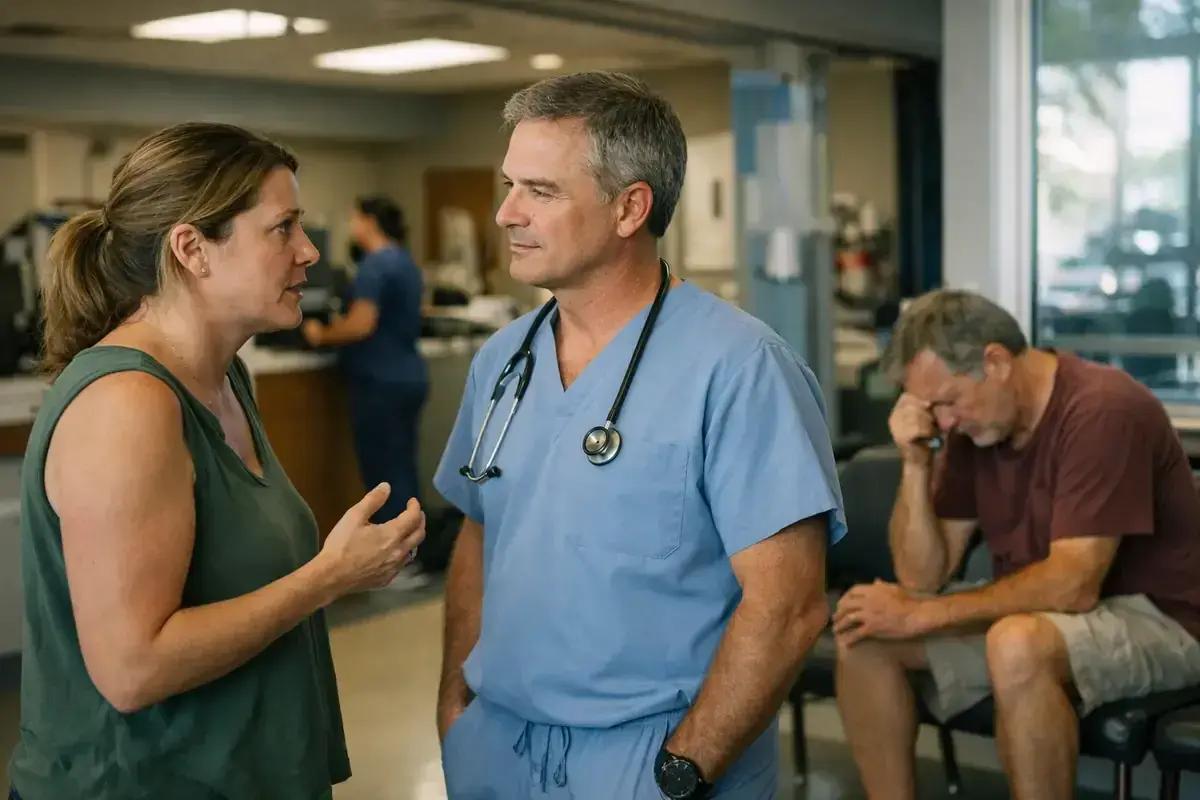
When alcohol withdrawal becomes severe, delirium tremens can turn into a medical emergency very quickly. For adults and families in Central Florida, understanding what Orlando delirium tremens can look like may help you act sooner, especially if a loved one has been drinking heavily for a long time and suddenly cuts back or stops.
Florida Helps offers medically supervised detox in Florida. If withdrawal is starting or you are afraid to stop on your own, call 866-931-9677 today.
In the Orlando area, the safest next step is not to “wait it out” at home. Delirium tremens needs urgent medical attention and close monitoring. If you are worried about alcohol withdrawal, call 866-931-9677 and ask about medically supervised detox at https://floridahelps.com/programs/detox/. Care decisions should always follow a professional assessment, and hospital-level support may be necessary depending on symptoms and risk.
What delirium tremens means during alcohol withdrawal
Delirium tremens, often called DTs, is the most dangerous form of alcohol withdrawal. It can include severe confusion, agitation, tremors, sweating, rapid heartbeat, fever, and hallucinations. According to the National Institute on Alcohol Abuse and Alcoholism and ASAM, serious alcohol withdrawal can escalate fast and should be evaluated medically, especially in people with a long history of heavy alcohol use or prior complicated withdrawal.
For families in Orlando, this matters because Florida’s heat, dehydration risk, and the stress of trying to stop alcohol without support can make a bad situation harder. DTs are not simply “hangover symptoms” or ordinary shakiness. They can affect breathing, heart rate, blood pressure, and safety. If symptoms are severe, emergency hospital care may be needed first, followed by a structured plan for detox and ongoing treatment after assessment.
Common warning signs families in Orlando should not ignore
Alcohol withdrawal often starts before delirium tremens does. A person may seem restless, anxious, sweaty, shaky, nauseated, or unable to sleep. As withdrawal worsens, thinking can become disorganized, the person may appear frightened or disoriented, and they may hear or see things that are not there. These changes can be alarming, but they are important warning signs that should never be minimized.
If you are in Orange, Seminole, Osceola, or nearby counties, do not try to manage severe symptoms alone at home or in a hotel room. A medically supervised setting can monitor vital signs, hydration, and mental status and respond quickly if symptoms intensify. Call 911 for emergency symptoms, and call 866-931-9677 to discuss detox options once immediate safety is addressed.
- Severe confusion or inability to recognize where they are
- Visual or auditory hallucinations
- Shaking, sweating, and marked agitation
- Rapid pulse, elevated blood pressure, or fever
- A history of withdrawal seizures or past DTs
Alcohol withdrawal: home concern vs urgent medical concern
| Situation | Likely concern level | Recommended action | Possible next step |
|---|---|---|---|
| Mild shakiness, anxiety, poor sleep | Needs prompt evaluation | Call for detox screening | Assessment for supervised detox |
| Past withdrawal seizure or past DTs | High risk | Do not detox at home | Medical evaluation and monitored care |
| Hallucinations, severe confusion, fever | Emergency | Go to hospital or call 911 | Stabilization, then detox planning |
| Vomiting, dehydration, rapid heartbeat | Urgent to emergency | Seek same-day medical help | Monitoring and withdrawal management |
| After stabilization, wants help to stop drinking | Ongoing treatment need | Start detox admission process | Residential or outpatient planning |
When hospital care is the right choice
Hospital care is often the right choice when withdrawal is severe, unpredictable, or medically complicated. Someone with seizures, chest pain, severe dehydration, fainting, uncontrolled vomiting, hallucinations, or major confusion may need emergency evaluation first. In a hospital, clinicians can stabilize the person, monitor complications, and determine whether a higher level of care is needed before transitioning to a detox program.
In Orlando, this can mean going to the nearest emergency department if symptoms appear dangerous. Families sometimes hesitate because they hope the person will “sleep it off,” but DTs can become life-threatening. Hospital teams can also identify other medical issues that may look like withdrawal, including infection, head injury, or blood sugar problems. After stabilization, the next step may be medically supervised detox at https://floridahelps.com/programs/detox/ based on assessment findings.
- Seizures or seizure-like activity
- Severe disorientation, panic, or aggression
- Hallucinations with unsafe behavior
- Chest pain, trouble breathing, or collapse
- Persistent vomiting or inability to keep fluids down
How medically supervised detox supports safer withdrawal
A medically supervised detox program is designed to help people withdraw from alcohol more safely and with closer observation than they would have at home. The exact plan depends on the assessment, including drinking history, prior withdrawals, medical needs, mental health symptoms, and current physical condition. In Florida, where many people delay care until symptoms are intense, early detox admission may help reduce risk and create a clearer path into treatment.
Detox is not the same as full recovery, but it is often the first necessary step. Monitoring, supportive care, and medication decisions are guided by clinical judgment and changing symptoms. For someone at risk of Orlando delirium tremens, entering detox sooner can be much safer than trying to stop abruptly alone. To start, call 866-931-9677 or visit https://floridahelps.com/programs/detox/ for help determining the right next step after assessment.
Withdrawal can be dangerous to manage alone. Our Florida detox program provides 24/7 medical monitoring and a plan for what comes next. Call 866-931-9677.
What happens after detox in a Florida treatment plan
After detox, many people still need structured treatment to address cravings, relapse triggers, mental health symptoms, and the daily patterns that keep alcohol use going. Florida Helps offers residential and outpatient care, which may be considered after detox depending on the person’s needs, stability, home environment, and recovery goals. The level of care should match the assessment rather than a one-size-fits-all plan.
For Orlando-area residents and families, continuity matters. Someone may feel physically better after withdrawal, but emotional distress, sleep problems, depression, anxiety, or strong urges to drink can continue. A step-down plan can help maintain momentum after detox. That may include residential treatment for more structure or outpatient care for people who are stable enough to participate while living at home and meeting responsibilities.
- Residential care may fit people needing daily structure and separation from triggers
- Outpatient care may fit people who are medically stable and have support at home
- Mental health needs should be evaluated alongside substance use
- Aftercare planning can include family involvement, therapy, and relapse prevention
How Orlando families can respond in the moment
If your loved one may be developing delirium tremens, stay calm and focus on immediate safety. Do not argue about what they are seeing or hearing, and do not assume they can simply stop the symptoms through willpower. Keep the environment as quiet and safe as possible while arranging emergency help if symptoms are severe. If they are confused, do not let them drive, shower alone, or wander outside.
Families across Central Florida often carry this burden in silence, especially when alcohol problems have been hidden for years. You do not have to sort out every treatment detail before making the first call. Start with medical safety. If symptoms seem dangerous, use emergency services. If the person is stable enough for the next step, call 866-931-9677 to discuss medically supervised detox and what level of care may be appropriate after assessment.
- Remove car keys and reduce fall risks
- Stay with the person if it is safe to do so
- Call 911 for seizures, collapse, severe confusion, or breathing problems
- Bring a list of medications and medical history if available
Related reading
- Delirium Tremens
- Can Florida Baker Act Apply to Delirium Tremens?
- Florida Detox for Delirium Tremens Prevention
- Delirium Tremens in Florida: When to Call 911
- Tampa Delirium Tremens Risk After Heavy Drinking
If you are worried about Orlando delirium tremens, do not wait for symptoms to become unmanageable. Start with medical safety, then move quickly toward treatment. Call 866-931-9677 now to talk through medically supervised detox and the next level of care, or visit https://floridahelps.com/programs/detox/ to begin. For many people in Florida, detox is the critical first step toward treatment and stability.
Start medically supervised detox in Florida
Do not wait for withdrawal to get worse. Our admissions team can talk through detox at Florida Helps and the next level of care. Call 866-931-9677.
Frequently asked questions
How soon can delirium tremens start after someone stops drinking?
Alcohol withdrawal symptoms can begin within hours after the last drink, while delirium tremens often appears later as withdrawal intensifies. Timing varies from person to person. Because severe symptoms can escalate quickly, anyone with a heavy drinking history or prior complicated withdrawal should get medical guidance before trying to stop.
Should we go to a hospital or a detox program first?
If there are emergency symptoms such as seizures, severe confusion, hallucinations, chest pain, collapse, or trouble breathing, go to the hospital or call 911 first. If the person is stable enough for the next step, medically supervised detox may be appropriate. The decision should follow a clinical assessment and current symptom severity.
Can delirium tremens be treated at home if family members stay with the person?
No home setting can replace medical monitoring when delirium tremens is possible. Family support matters, but severe alcohol withdrawal can change rapidly and may involve complications that need urgent medical treatment. Staying home increases risk when symptoms are significant or the person has a history of seizures, DTs, or major medical problems.
What if the person also has anxiety, depression, or another mental health condition?
Co-occurring mental health symptoms are common and should be assessed along with alcohol use. Anxiety, depression, panic, sleep problems, and trauma symptoms can affect withdrawal and treatment planning. A detox evaluation can help identify whether medical, psychiatric, residential, or outpatient support is the safest and most appropriate next step.
What should we say when we call for help?
Keep it simple and factual. Say how much the person has been drinking, when they last drank, what withdrawal symptoms you are seeing, whether there is a history of seizures or prior severe withdrawal, and any medical or psychiatric conditions you know about. That information helps guide a safer recommendation after assessment.
Further treatment information
These public health resources offer background for comparing options and preparing questions for a care team. They do not confirm local appointment availability.