
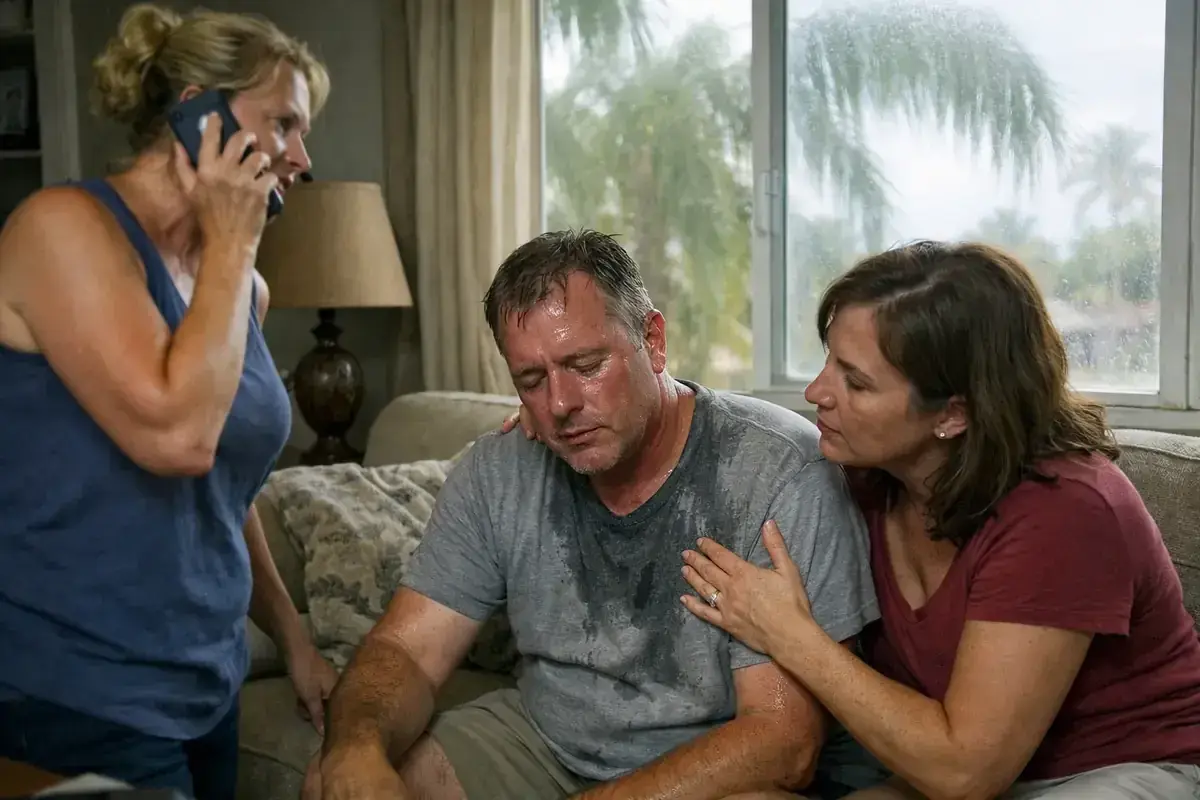
Delirium tremens is a medical emergency tied to alcohol withdrawal. If you are searching for delirium tremens Florida, you may be worried about severe shaking, confusion, hallucinations, or a loved one who seems suddenly unsafe after cutting back on drinking. In Florida, where heat, dehydration, and delayed access to care can make withdrawal harder on the body, it is especially important not to “wait it out” at home when symptoms are escalating.
Florida Helps offers medically supervised detox in Florida. If withdrawal is starting or you are afraid to stop on your own, call 866-931-9677 today.
The safest response is to treat severe alcohol withdrawal like the emergency it can be. Florida Helps provides medically supervised detox and other levels of care, with treatment recommendations based on a clinical assessment. If you are seeing signs of delirium tremens, call 911 right away. If the person is stable but needs help stopping alcohol safely, call 866-931-9677 and learn about detox at https://floridahelps.com/programs/detox/.
What delirium tremens means
Delirium tremens, often called DTs, is the most dangerous form of alcohol withdrawal. It can involve sudden confusion, severe agitation, heavy sweating, trembling, rapid heartbeat, fever, and seeing or hearing things that are not there. According to the American Society of Addiction Medicine, alcohol withdrawal can become life threatening and requires prompt medical evaluation when symptoms are severe. DTs are not a sign of weakness. They are a serious brain and body reaction to alcohol stopping after heavy, repeated use.
In Florida, people sometimes try to detox on their own in hotel rooms, short-term rentals, or at home while family members hope it will pass in a day or two. That can be risky. Alcohol withdrawal can worsen quickly, and a person may become disoriented, fall, seize, or stop being able to answer basic questions. If there is any doubt about safety, emergency care comes first. After stabilization, a medically supervised detox plan can help reduce risk and support the next step in treatment.
When to call 911 in Florida
Call 911 immediately if a person may be in delirium tremens or severe alcohol withdrawal. Do not try to drive them yourself if they are confused, collapsing, hallucinating, or having a seizure. In Florida traffic, heat, and longer travel times in some coastal or rural areas can create dangerous delays. Emergency responders can begin monitoring sooner and get the person to the right level of care safely.
Even if the person insists they are “fine,” trust what you are seeing. Families often notice a dramatic shift first: the person cannot follow a conversation, appears terrified, is drenched in sweat, or becomes combative without clear reason. If symptoms are milder, a professional assessment still matters. Florida Helps can talk through whether medically supervised detox is appropriate, but 911 is the right call for any immediate danger.
- Call 911 for seizures, fainting, chest pain, severe confusion, or trouble breathing.
- Call 911 if the person is hallucinating, cannot be redirected, or is becoming violent or unsafe.
- Call 911 for high fever, severe shaking, repeated vomiting, or inability to keep fluids down.
- Call 911 if the person may harm themselves, wander into traffic, or cannot state their name, location, or the date.
Alcohol withdrawal: when it may be an emergency
| Situation | What you may notice | Best next step | Why it matters |
|---|---|---|---|
| Mild early withdrawal | Anxiety, sweating, nausea, poor sleep | Same-day professional assessment | Symptoms can escalate |
| Concerning progression | Severe tremor, panic, racing pulse | Urgent medical guidance or detox screening | Higher complication risk |
| Possible delirium tremens | Confusion, hallucinations, fever, agitation | Call 911 | Medical emergency |
| Withdrawal seizure | Shaking episode, collapse, unresponsiveness | Call 911 now | Life-threatening risk |
| Post-emergency stabilization | Symptoms improving after ER care | Enter medically supervised detox and follow-up treatment | Reduces risk of relapse and recurrent withdrawal |
Warning signs before DTs fully develop
Not everyone with alcohol withdrawal develops delirium tremens, but serious warning signs can show up before the situation peaks. Early withdrawal often includes anxiety, sweating, nausea, insomnia, irritability, and tremor. For some people, symptoms progress to severe shaking, panic, rising blood pressure, racing pulse, and intense sensitivity to light or sound. The National Institute on Alcohol Abuse and Alcoholism and ASAM both emphasize that alcohol withdrawal severity can increase quickly and should be medically assessed.
Florida’s climate can complicate the picture. Dehydration, electrolyte imbalance, and poor sleep can make someone feel worse faster, especially after time in the sun or long periods without food. If the person has a history of withdrawal seizures, prior detox, older age, other medical conditions, or use of sedatives along with alcohol, the risk may be higher. Those factors should push families toward urgent professional help rather than home remedies.
- Shaking that becomes intense or whole-body tremors
- Disorientation, paranoia, or hearing or seeing things
- Rapid pulse, rising blood pressure, sweating, or fever
- Severe insomnia, panic, or agitation that keeps escalating
- Any prior seizure during alcohol withdrawal
Why home detox can be dangerous
People often underestimate alcohol withdrawal because drinking is legal and common. But legal does not mean low risk. Once severe withdrawal starts, symptoms can become unpredictable. A person may seem stable for a few hours and then become acutely confused or have a seizure. Family members cannot monitor vital signs, manage complications, or safely adjust medications at home. Trying to “sleep it off” can waste critical time.
A supervised setting matters because treatment decisions follow an assessment, including current symptoms, drinking history, co-occurring mental health needs, medications, and medical risks. In Florida, this can be especially important for older adults, snowbirds away from their usual doctors, and people combining alcohol with opioids, benzodiazepines, or stimulants. If someone is ready to stop drinking, starting with medically supervised detox may be the safest route. Learn more at https://floridahelps.com/programs/detox/.
Withdrawal can be dangerous to manage alone. Our Florida detox program provides 24/7 medical monitoring and a plan for what comes next. Call 866-931-9677.
What medically supervised detox may involve
Detox is not one-size-fits-all. The first step is a clinical assessment to determine the right level of care and whether emergency services are needed. In a medically supervised detox setting, staff can monitor symptoms, watch for complications, support hydration and comfort, and coordinate next steps into residential or outpatient treatment when appropriate. The goal is not just getting through a hard night. It is creating a safer bridge into ongoing recovery support.
For families in Florida, that continuity matters. A person leaving severe withdrawal without a treatment plan may return to drinking quickly just to stop the symptoms. Detox can interrupt that cycle and open the door to counseling, relapse prevention, and mental health care if needed. If your loved one is drinking daily, has had withdrawal before, or seems frightened to stop because of symptoms, call 866-931-9677 and ask about medically supervised detox at https://floridahelps.com/programs/detox/.
- Assessment of withdrawal severity and immediate medical risk
- Monitoring for changes in confusion, vital signs, and seizure risk
- Supportive care and transition planning into residential or outpatient treatment
- Family guidance on what symptoms require emergency response
How Florida families can respond right now
If you believe someone may be entering severe alcohol withdrawal, keep the environment calm and focus on safety. Do not argue about whether they “really need help.” Do not give more alcohol to manage symptoms, and do not leave the person alone if they are confused. If they are actively seizing, hallucinating, or cannot answer simple questions, call 911. If they are stable but showing worsening withdrawal signs, seek immediate professional guidance.
Families across Florida often feel pressure to handle the situation privately, especially in smaller communities or when a vacation, job, or childcare issue is involved. But hiding a medical crisis can make it worse. Taking action now can prevent a frightening situation from becoming more dangerous. If emergency care is not needed this moment, Florida Helps can discuss detox options, explain next steps, and help determine care based on an assessment.
- Stay with the person if they are confused or unsteady.
- Remove car keys and reduce fall risks around stairs, pools, and balconies.
- Call 911 for any seizure, collapse, severe confusion, or breathing problem.
- If stable, call 866-931-9677 to discuss medically supervised detox and next steps.
Related reading
- Delirium Tremens
- Can Florida Baker Act Apply to Delirium Tremens?
- Orlando Delirium Tremens Signs and Hospital Care
- Florida Detox for Delirium Tremens Prevention
- Tampa Delirium Tremens Risk After Heavy Drinking
If you are dealing with possible delirium tremens in Florida, do not wait for symptoms to become unmistakable. Call 911 for any emergency signs. If the person is stable and needs help stopping alcohol safely, call Florida Helps at 866-931-9677 now. Medically supervised detox can be a critical first step, and you can learn more or get started at https://floridahelps.com/programs/detox/.
Start medically supervised detox in Florida
Do not wait for withdrawal to get worse. Our admissions team can talk through detox at Florida Helps and the next level of care. Call 866-931-9677.
Frequently asked questions
How quickly can delirium tremens start after someone stops drinking?
Timing varies, and that is one reason alcohol withdrawal should be taken seriously. Symptoms may begin within hours of the last drink and can worsen over the next couple of days. Because the course is not fully predictable, families should not rely on a timeline alone. If confusion, hallucinations, seizures, or severe agitation appear, call 911.
Should we go to an ER first or call a detox program?
If the person has emergency symptoms such as seizures, severe confusion, hallucinations, collapse, chest pain, or trouble breathing, call 911 or go to the ER immediately. If they are medically stable but showing withdrawal symptoms and need help stopping alcohol safely, call a detox provider right away. The appropriate level of care should follow a clinical assessment.
Can dehydration or Florida heat make alcohol withdrawal worse?
Heat and dehydration can increase physical stress on the body and may make symptoms like dizziness, rapid heart rate, sweating, and weakness feel more intense. They do not replace the underlying danger of withdrawal, but they can complicate it. In Florida, this is one more reason not to attempt a severe detox alone, especially after time outdoors.
What if my loved one refuses help?
If they are actively unsafe, delirious, seizing, or unable to understand what is happening, call 911. In less urgent situations, keep the conversation calm, focus on specific symptoms you have seen, and avoid blame. You can also call 866-931-9677 yourself for guidance on next steps and how medically supervised detox may fit after an assessment.
Does detox mean the whole treatment process is over?
Usually not. Detox addresses the immediate medical risks of stopping alcohol, but it does not treat the reasons drinking continued or the relapse triggers that follow. Many people benefit from stepping into residential or outpatient care after detox. A treatment plan should be based on an assessment, including substance use history, mental health needs, and recovery supports.
Further treatment information
These public health resources offer background for comparing options and preparing questions for a care team. They do not confirm local appointment availability.