
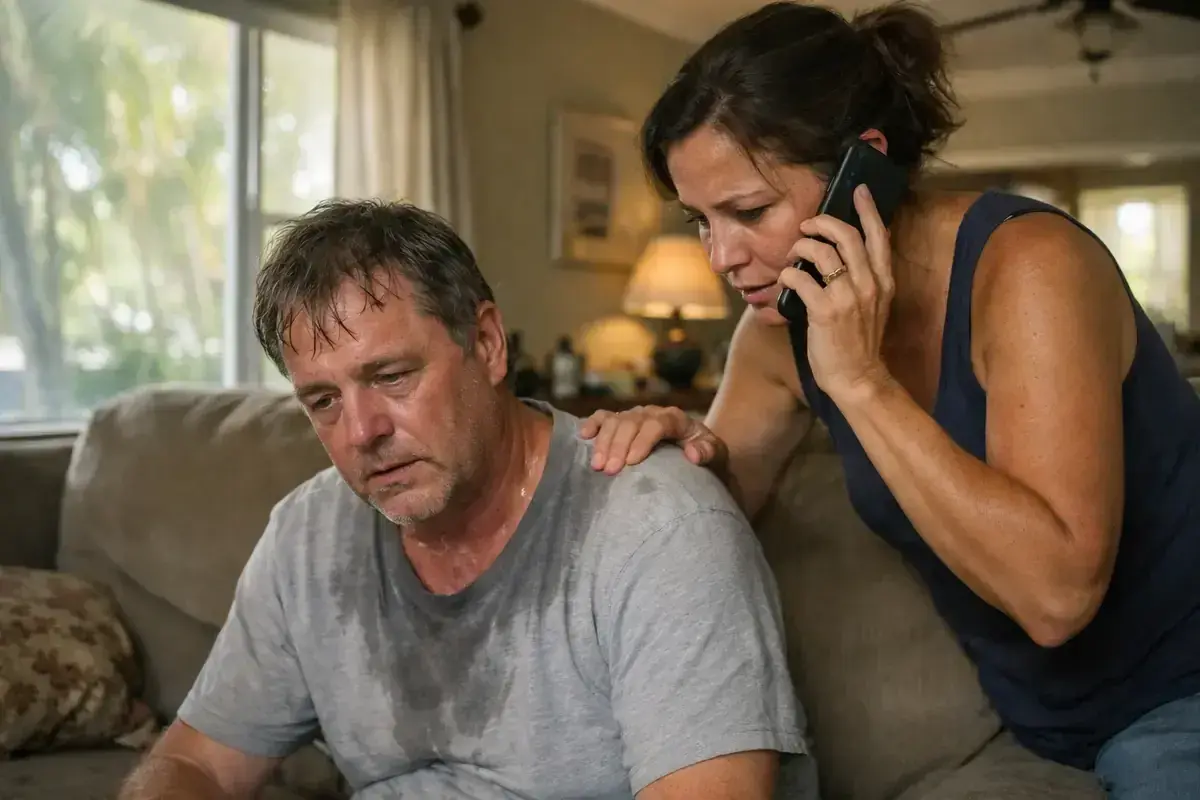
If you are searching florida 988 delirium tremens, the most important point is this: delirium tremens, often called DTs, can be a medical emergency. In Florida, 988 and 911 do different jobs. The 988 Suicide and Crisis Lifeline helps with mental health and substance use crises, while 911 sends emergency responders when there is immediate danger or a potentially life-threatening medical problem. Severe alcohol withdrawal can escalate quickly, and DTs should never be handled at home without medical guidance.
Florida Helps offers medically supervised detox in Florida. If withdrawal is starting or you are afraid to stop on your own, call 866-931-9677 today.
For adults and families anywhere in Florida, from Miami-Dade and Broward to Orlando, Tampa, Jacksonville, and the Panhandle, the safest next step is often a professional assessment for medically supervised detox. Florida Helps provides medically supervised detox along with residential and outpatient care, and placement into the right level of care follows an assessment. If alcohol withdrawal is starting or getting worse, call 866-931-9677 and learn about detox at https://floridahelps.com/programs/detox/.
What delirium tremens means during alcohol withdrawal
Delirium tremens is a severe form of alcohol withdrawal that can involve sudden confusion, agitation, hallucinations, severe shaking, fever, sweating, and changes in heart rate or blood pressure. Guidance from ASAM and NIAAA supports what families often see in real life: alcohol withdrawal can become dangerous fast, especially after heavy or long-term drinking. A person may look frightened, disoriented, or unable to follow simple directions, and symptoms may worsen over hours rather than days.
In Florida, where families may be trying to decide whether to drive someone to care, call a crisis line, or wait it out, waiting can be the riskiest choice. DTs are not just a mental health concern. They are a medical condition that calls for immediate attention and close monitoring. If there is any concern for severe alcohol withdrawal, start with emergency help when needed and then move quickly toward medically supervised detox at https://floridahelps.com/programs/detox/.
When to call 911 in Florida for suspected DTs
Call 911 in Florida if the person may be experiencing delirium tremens or any other severe withdrawal complication. Emergency responders can address urgent medical risk, including altered mental status, collapse, seizures, or breathing problems. If someone cannot be safely transported by family, is becoming violent because of confusion, or is too disoriented to cooperate, 911 is the right call. This is especially important if the person has other health issues, is older, or has a history of severe withdrawal.
If you are in a Florida hotel, on vacation, at work, or in a private residence and you are unsure whether the symptoms are “serious enough,” use 911 when there is immediate medical danger. Families sometimes hesitate because they fear overreacting, but severe alcohol withdrawal is not something to monitor casually. Once the immediate emergency is addressed, ask about the next step in care and arrange an assessment for detox and ongoing treatment.
- Call 911 for seizures, fainting, chest pain, trouble breathing, or unresponsiveness.
- Call 911 if the person is severely confused, seeing or hearing things, or cannot recognize where they are.
- Call 911 if there is extreme agitation, unsafe behavior, or a risk of harm to self or others.
- Call 911 if symptoms are rapidly worsening and you cannot get the person safely to medical care.
Florida 988 vs 911 for suspected delirium tremens
| Situation | Call | Why | Next step |
|---|---|---|---|
| Severe confusion or hallucinations | 911 | Possible medical emergency | Emergency evaluation, then detox assessment |
| Seizure or collapse | 911 | Immediate life-threatening risk | Hospital care, then treatment planning |
| Suicidal thoughts, medically stable | 988 | Behavioral crisis support | Safety guidance and referral |
| Shaking and sweating, getting worse | 911 if severe; 988 if unsure and stable | Withdrawal can escalate quickly | Professional assessment for detox |
| Family unsure what to do, no immediate danger | 988 | Real-time crisis guidance | Arrange detox evaluation promptly |
When 988 can help, and when it is not enough
In Florida, 988 is a strong option for a behavioral health crisis when there is no immediate medical emergency. The 988 Suicide and Crisis Lifeline can help if someone is overwhelmed, panicking, thinking about self-harm, or struggling with substance use and needs immediate guidance. It can also support family members who are unsure what to do next. For alcohol withdrawal concerns, 988 may help you decide whether emergency services are needed and how to connect with local crisis resources.
However, 988 is not a substitute for emergency medical care when delirium tremens is suspected. If there are hallucinations, severe confusion, seizures, or major physical symptoms, do not rely on a phone conversation alone. In those moments, 911 is the safer choice. A practical Florida rule is simple: use 988 for crisis support and guidance, and 911 for immediate medical danger. After either call, follow through with an assessment for medically supervised detox rather than trying to manage withdrawal at home.
- Use 988 for urgent emotional distress, suicidal thoughts, or substance-related crisis support when the person is medically stable.
- Use 988 if you need help deciding on the next step and there is no immediate danger.
- Do not use 988 instead of 911 for seizures, severe disorientation, collapse, or other emergency medical symptoms.
- If in doubt and the person may be medically unstable, call 911 first.
Florida 988 vs 911 for delirium tremens: quick comparison
Families across Florida often need a clear side-by-side answer. The main difference is the type of response. 988 is a crisis support line for mental health and substance use distress. 911 activates emergency medical and public safety response. When delirium tremens is part of the picture, the question is less about emotional support and more about immediate medical risk. That is why suspected DTs usually fit 911 first, followed by detox planning once the person is stabilized.
After the emergency is managed, treatment should not stop at crisis response. Alcohol withdrawal needs medical oversight, and many people benefit from a step-down plan that may include residential or outpatient care after detox. Florida Helps can assess the situation and recommend the right level of care based on current symptoms, withdrawal history, and overall health.
Withdrawal can be dangerous to manage alone. Our Florida detox program provides 24/7 medical monitoring and a plan for what comes next. Call 866-931-9677.
What medically supervised detox looks like after the crisis
After 911 or 988 has helped with the immediate crisis, the next step should be a professional assessment for detox. Medically supervised detox is designed for people who may be at risk for severe withdrawal, including those with a history of heavy alcohol use, prior withdrawal complications, or co-occurring mental health concerns. In a detox setting, care teams can monitor symptoms, respond if they intensify, and support comfort and safety as the body clears alcohol.
At Florida Helps, detox is part of a broader treatment path that may include residential and outpatient services depending on the assessment. That matters for Florida families who are not only worried about tonight, but also about what happens after withdrawal ends. Detox addresses the immediate physical process, while the next level of care helps the person begin recovery work, build structure, and plan for ongoing support close to home or while temporarily staying in Florida.
- A clinical assessment helps determine whether detox, residential care, or outpatient treatment is appropriate.
- Detox is often the starting point when withdrawal risk is significant or symptoms are already active.
- After detox, a step-down plan may include residential treatment or outpatient services based on assessed needs.
- Families should ask about transition planning so care does not end when withdrawal symptoms improve.
What Florida families should do right now
If your loved one has stopped drinking or sharply cut back and is now shaking, sweating, confused, hearing or seeing things, or acting unlike themselves, take it seriously. Do not leave the person alone if there is a risk of collapse, wandering, or unsafe behavior. Do not assume sleep will fix it, and do not try to “talk them through” obvious medical instability. In Florida’s heat and humidity, dehydration and physical stress can also make a bad situation harder to manage.
If there is immediate danger, call 911. If there is urgent distress but no clear medical emergency, call 988. Then contact Florida Helps at 866-931-9677 to discuss medically supervised detox and next-step treatment. You can review the detox program at https://floridahelps.com/programs/detox/ and prepare for an assessment that guides the level of care. Strong action early is often the safest choice when alcohol withdrawal may be moving toward delirium tremens.
Related reading
- Delirium Tremens
- Can Florida Baker Act Apply to Delirium Tremens?
- Orlando Delirium Tremens Signs and Hospital Care
- Florida Detox for Delirium Tremens Prevention
- Delirium Tremens in Florida: When to Call 911
If you are dealing with possible alcohol withdrawal in Florida, do not wait for symptoms to “settle down” on their own. Call 911 for immediate medical danger, call 988 for urgent crisis support when the person is medically stable, and then call Florida Helps at 866-931-9677 to start an assessment for medically supervised detox. Learn more at https://floridahelps.com/programs/detox/ and take the next step toward safe, professional care.
Start medically supervised detox in Florida
Do not wait for withdrawal to get worse. Our admissions team can talk through detox at Florida Helps and the next level of care. Call 866-931-9677.
Frequently asked questions
If someone is hallucinating after stopping alcohol, should I call 988 or 911 in Florida?
Call 911. Hallucinations during alcohol withdrawal can signal delirium tremens or another dangerous medical complication. Because this is not only a mental health issue, emergency medical evaluation is the safer response. After the immediate crisis is addressed, ask for a detox assessment so treatment continues beyond the emergency.
Can 988 send medical help for delirium tremens?
988 is primarily for crisis counseling, de-escalation, and connection to behavioral health resources. In some situations, crisis systems may coordinate local support, but 988 is not the same as activating emergency medical response. If delirium tremens is suspected, especially with confusion, seizures, or unstable vital signs, call 911 instead.
Should I drive my loved one to detox myself?
Maybe, but only if the person is medically stable and can be transported safely. If there is severe confusion, hallucinations, seizure activity, collapse, or a risk that the person could become unsafe during the drive, call 911. Once safety is addressed, Florida Helps can discuss detox admission and next steps based on an assessment.
What if I am not sure whether this is delirium tremens or a panic attack?
When alcohol withdrawal is part of the story, take the symptoms seriously. Panic can cause intense fear and physical discomfort, but alcohol withdrawal can become dangerous quickly. If there is disorientation, hallucinations, severe shaking, or worsening physical symptoms, treat it as a medical emergency and call 911. If symptoms are urgent but the person seems medically stable, 988 can help you think through the next step.
What treatment might follow detox at Florida Helps?
That depends on the assessment. Some people need residential treatment after detox for more structure and monitoring, while others may be appropriate for outpatient care. The right level of care is based on factors like withdrawal history, medical needs, mental health symptoms, home support, and relapse risk. Calling 866-931-9677 can help you start that process.
Further treatment information
These public health resources offer background for comparing options and preparing questions for a care team. They do not confirm local appointment availability.