
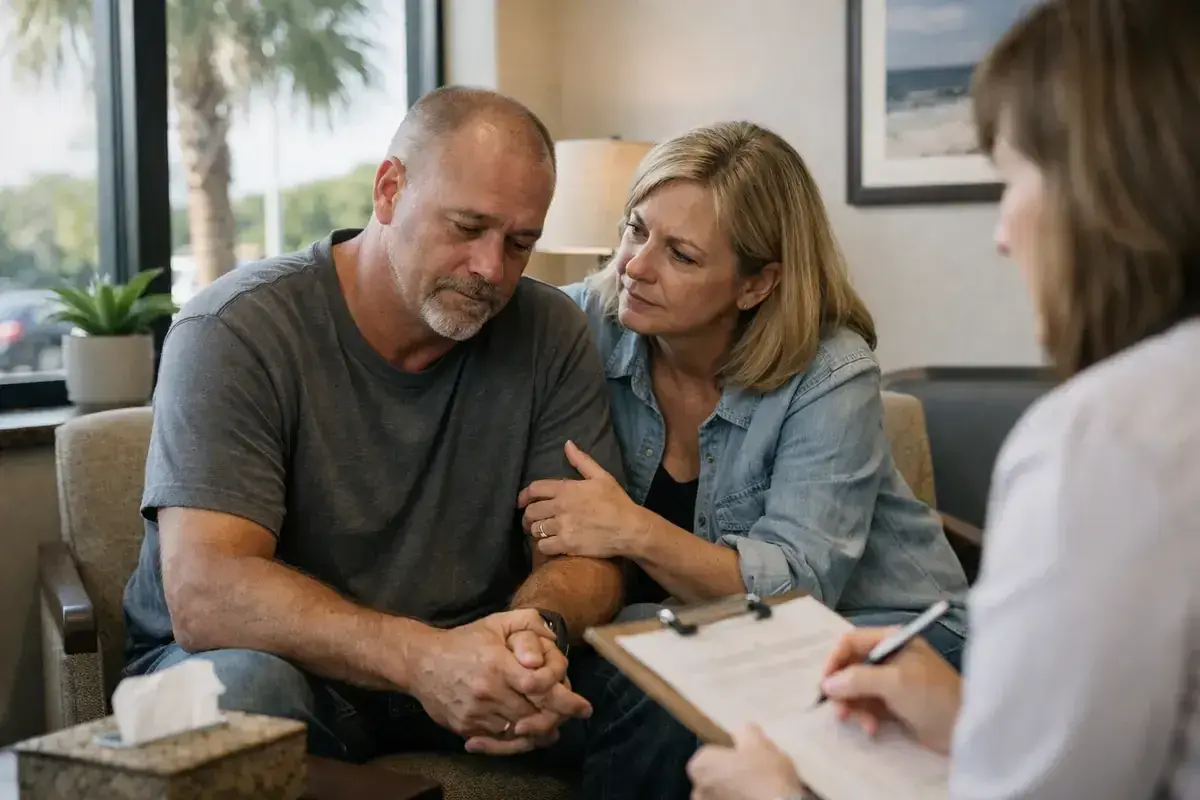
Kratom is often marketed as a plant-based product, but that does not mean it is risk-free. People in Orlando and across Central Florida can develop dependence, especially with frequent use, high doses, or use alongside alcohol, opioids, benzodiazepines, or other substances. When someone tries to stop, withdrawal can feel physically draining and emotionally overwhelming. Families may not recognize the signs right away, and the person using kratom may delay care because they hope symptoms will pass on their own.
Florida Helps offers medically supervised detox in Florida. If withdrawal is starting or you are afraid to stop on your own, call 866-931-9677 today.
If you are searching for Orlando kratom withdrawal symptoms, the most important point is this: withdrawal can be difficult, and the safest next step may be a professional assessment followed by medically supervised detox. Florida Helps provides Florida-based addiction treatment, including detox, residential, and outpatient care. To start help, call 866-931-9677 or visit https://floridahelps.com/programs/detox/. Care decisions should always follow an individual assessment, including mental health, medical needs, and other substances involved.
What kratom withdrawal can look like in Orlando
Kratom withdrawal does not look exactly the same for every person. Some people mainly feel flu-like discomfort, fatigue, restlessness, stomach upset, and body aches. Others notice intense anxiety, irritability, depressed mood, insomnia, cravings, and trouble concentrating. In a hot, humid Florida climate, dehydration and poor sleep can make these symptoms feel even harder to manage, especially if the person is still trying to work, care for children, or keep up with daily responsibilities in the Orlando area.
Symptoms may begin within hours to a day after the last use, depending on the pattern of use and whether other drugs are involved. Kratom products also vary widely in potency and may contain ingredients not listed clearly on the label. That unpredictability is one reason a professional detox setting matters. A structured assessment can help determine whether symptoms are primarily related to kratom, another substance, a mental health condition, or a combination that needs close monitoring.
- Common physical symptoms include nausea, sweating, chills, muscle aches, runny nose, and sleep disturbance.
- Common emotional symptoms include anxiety, agitation, low mood, irritability, and strong cravings.
- Withdrawal severity can increase with higher doses, long-term use, and combining kratom with other substances.
- An assessment helps identify whether detox, residential care, or outpatient treatment is the right starting point.
Why medically supervised detox is often the safest next step
Trying to stop kratom alone can lead to relapse simply because the symptoms are uncomfortable and distressing. For some people, the larger concern is not kratom by itself but what else is happening at the same time: alcohol use, opioid misuse, prescription sedatives, stimulant use, chronic pain, depression, panic symptoms, or past trauma. In those cases, stopping abruptly without support may create unnecessary risk and can delay effective treatment.
A medically supervised detox program offers monitoring, comfort-focused support, and a clear plan for what comes next. That may include transition into residential or outpatient care based on the assessment. If you are in Orlando, Winter Park, Kissimmee, Sanford, or elsewhere in Central Florida, you can start by contacting Florida Helps at 866-931-9677 or visiting https://floridahelps.com/programs/detox/. Getting help early can reduce chaos, lower the chance of returning to use, and connect you to a safer recovery process.
Kratom withdrawal: home management vs medically supervised detox
| Concern | At home | Medically supervised detox | Why it matters |
|---|---|---|---|
| Symptom monitoring | Limited or inconsistent | Regular clinical observation | Changes can be noticed early |
| Hydration and comfort | Often self-managed | Structured support | Dehydration and exhaustion can worsen symptoms |
| Other substances involved | May be missed | Reviewed during assessment | Alcohol, opioids, and sedatives raise risk |
| Mental health symptoms | Family may feel unsure | Professional evaluation available | Anxiety, depression, or agitation need attention |
| Next-step treatment | Often unclear | Planned transition to ongoing care | Detox alone is usually not enough |
When symptoms may require urgent professional attention
Not every kratom withdrawal experience is a medical emergency, but some situations should never be handled alone. Confusion, severe agitation, chest pain, suicidal thinking, signs of dehydration, and major sleep loss can escalate quickly. Families in Orlando should also take extra caution if the person has a history of seizures, heavy alcohol use, opioid use, benzodiazepine use, or significant mental health symptoms. In Florida, the combination of heat, stress, and limited rest can intensify already difficult withdrawal symptoms.
Professional help matters because treatment teams can evaluate the whole picture rather than a single symptom. That means asking about kratom type and amount, how long it has been used, whether the person has tried to stop before, and whether there are co-occurring psychiatric or medical concerns. The right level of care is determined after assessment, not by guesswork. For many people, beginning with medically supervised detox creates the most stable starting point for longer-term treatment.
- Seek immediate help if there is confusion, severe vomiting, fainting, chest pain, or thoughts of self-harm.
- Do not assume a “natural” product is safe to stop without support, especially after heavy or long-term use.
- Tell the treatment team about all substances used, including alcohol, cannabis, prescription medications, and supplements.
- Family members should watch for worsening mood, inability to keep fluids down, or escalating agitation.
Detox versus trying to manage kratom withdrawal at home
People often compare detox with “just getting through it” at home. At-home attempts may seem simpler, but they can become complicated when symptoms interfere with sleep, hydration, mood, and judgment. The person may return to kratom just to stop the discomfort. In Orlando, where many adults are balancing tourism, hospitality, healthcare, construction, and shift work, missing sleep for several nights can make safe self-management much harder than expected.
Detox is not only about getting through the first days. It is also about setting up the next level of care. Florida Helps offers detox along with residential and outpatient services, which can support continuity after withdrawal begins to improve. To learn more about starting medically supervised detox in Florida, visit https://floridahelps.com/programs/detox/ or call 866-931-9677. After assessment, the team can recommend the care path that best fits the person’s current needs.
Withdrawal can be dangerous to manage alone. Our Florida detox program provides 24/7 medical monitoring and a plan for what comes next. Call 866-931-9677.
What treatment planning can include after detox
Detox addresses the immediate withdrawal process, but ongoing treatment is often what helps people build stability afterward. Once acute symptoms begin to ease, the next step may involve residential treatment for a more structured environment or outpatient care for those who can safely recover while living at home. The choice depends on assessment findings, including relapse risk, mental health needs, family support, transportation, housing, and work responsibilities in the Orlando area.
Treatment planning may also include counseling, psychiatric evaluation when appropriate, relapse prevention, and support for family communication. If kratom use has been tied to pain, anxiety, depression, or trauma, those concerns need direct attention rather than being ignored. A Florida-based program can help people think through practical issues like transportation, local support systems, and the pace of life in Central Florida. Recovery planning is strongest when it addresses the person, not just the substance.
- Residential care may help when home life is unstable or cravings are intense.
- Outpatient care may fit after detox when symptoms are milder and support at home is reliable.
- Co-occurring mental health concerns should be assessed and treated alongside substance use.
- Family involvement can improve communication, boundaries, and support after discharge.
Related reading
- Kratom Withdrawal Symptoms
- Florida 988 for Kratom Withdrawal Support
- Jacksonville Kratom Withdrawal Symptoms Support
- South Florida Kratom Detox Resources
- Is Kratom Legal in Florida Cities?
If you or someone you love is dealing with Orlando kratom withdrawal symptoms, do not wait for things to get worse. Medically supervised detox can provide a safer, more stable place to begin, and the next level of care can be recommended after a full assessment. To talk with Florida Helps about detox, residential, or outpatient treatment in Florida, call 866-931-9677 or visit https://floridahelps.com/programs/detox/.
Start medically supervised detox in Florida
Do not wait for withdrawal to get worse. Our admissions team can talk through detox at Florida Helps and the next level of care. Call 866-931-9677.
Frequently asked questions
How long do kratom withdrawal symptoms last?
The timeline can vary based on how much kratom was used, how often it was used, the type of product, and whether other substances are involved. Some people feel symptoms within hours to a day after the last dose, with several difficult days to follow. An assessment helps determine whether detox, residential, or outpatient care is the safest next step.
Can I detox from kratom at home?
Some people try to stop at home, but that does not make it the safest option. Home detox can become risky when symptoms involve severe vomiting, inability to sleep, dehydration, panic, depressed mood, or use of alcohol, opioids, or sedatives. A medically supervised detox program can provide monitoring and support while a team determines the right level of care after assessment.
Is kratom withdrawal the same as opioid withdrawal?
Kratom withdrawal can overlap with opioid-like symptoms, such as aches, stomach upset, sweating, and cravings, but it is not identical in every case. Kratom products vary, and some people also experience strong anxiety, irritability, and insomnia. Because products are inconsistent and other substances may be involved, a professional assessment is important before deciding on treatment.
What treatment comes after detox?
Detox is usually the first step, not the whole plan. After withdrawal begins to stabilize, treatment may continue in residential care or outpatient care depending on the person’s symptoms, mental health needs, relapse risk, home environment, and daily responsibilities. Florida Helps makes those recommendations after assessment so care is based on current needs rather than assumptions.
When should a family in Orlando call for help?
Call as soon as kratom use is causing repeated withdrawal, cravings, mood changes, secrecy, missed responsibilities, or failed attempts to stop. Families should act quickly if there is confusion, severe agitation, dehydration, suicidal thinking, or other substance use involved. Early contact can help prevent a crisis and start a structured plan for detox and ongoing treatment in Florida.
Further treatment information
These public health resources offer background for comparing options and preparing questions for a care team. They do not confirm local appointment availability.