
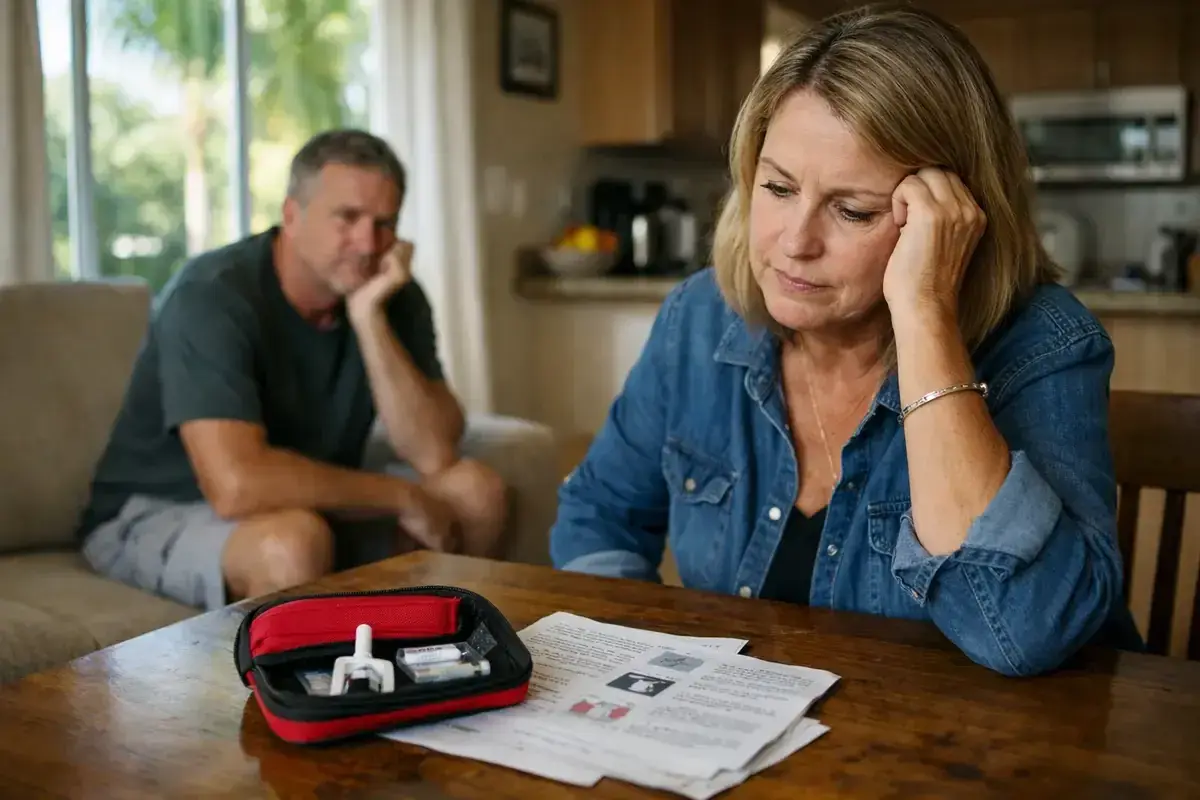
In Broward County, fentanyl has changed the risk level of street drugs and counterfeit pills. People may be exposed to fentanyl in substances sold as oxycodone, Xanax, cocaine, methamphetamine, or heroin, and they may not know it is there. That is why many families in South Florida are searching for broward fentanyl test strips and naloxone. These tools can help lower immediate overdose risk, but they are not a substitute for addiction treatment when substance use has become hard to stop.
Florida Helps offers medically supervised detox in Florida. If withdrawal is starting or you are afraid to stop on your own, call 866-931-9677 today.
If you or someone you love is using opioids or other drugs in Fort Lauderdale, Hollywood, Pembroke Pines, or nearby Broward communities, the safest next step may be a professional evaluation and medically supervised detox. Florida Helps provides detox, residential, and outpatient care in Florida, with treatment recommendations based on a clinical assessment. To start help now, call 866-931-9677 or visit https://floridahelps.com/programs/detox/.
Why fentanyl test strips matter in Broward County
Fentanyl is a powerful synthetic opioid, and even a very small amount can raise the risk of overdose. The National Institute on Drug Abuse, or NIDA, has warned that fentanyl is often mixed into other drugs without a person’s knowledge. In Broward County, where residents may encounter substances through the street supply, at parties, or through counterfeit pills, fentanyl test strips can offer a quick warning that a sample may contain fentanyl.
That warning matters, but it has limits. A negative result does not make drug use safe, and a positive result does not measure how much fentanyl is present. Test strips are only one harm reduction step. For someone who is using regularly, experiencing cravings, hiding use, or going through withdrawal, a stronger intervention is needed. In those situations, detox under medical supervision can help stabilize the body and lower the risk of dangerous withdrawal complications.
- Fentanyl may be present in opioids, stimulants, or counterfeit pills.
- Test strips can help identify possible fentanyl exposure before use.
- A result cannot guarantee safety or predict the strength of a substance.
- If stopping feels difficult, treatment is safer than trying to manage alone.
How naloxone helps during an opioid overdose
Naloxone is a medication that can temporarily reverse an opioid overdose. SAMHSA and the Centers for Disease Control and Prevention describe it as a critical emergency tool when breathing slows or stops after opioid use. In Broward County homes, cars, dorms, and workplaces, keeping naloxone available can give families and friends time to call 911 and respond while waiting for emergency care.
Naloxone is not addiction treatment, and it does not address the reasons someone keeps using. It can wear off before the opioids do, so emergency medical attention is still necessary after it is given. If naloxone has been needed even once, that is a serious sign that comprehensive treatment should be considered right away. A medically supervised detox program can help begin care safely and connect the person to the next level of support after assessment.
- Call 911 right away during a suspected overdose.
- Give naloxone as directed and stay with the person.
- If there is no response, give an additional dose if available.
- Even if the person wakes up, emergency evaluation is still important.
Quick comparison: harm reduction tools versus treatment
| Option | Main purpose | What it can help with | What it cannot do |
|---|---|---|---|
| Fentanyl test strips | Check for possible fentanyl presence | May warn of contamination in a drug sample | Cannot guarantee safety or treat addiction |
| Naloxone | Reverse opioid overdose temporarily | Can restore breathing long enough for emergency response | Cannot treat withdrawal, cravings, or relapse risk |
| Medically supervised detox | Manage early withdrawal safely | Supports stabilization and medical monitoring | Is not the full recovery plan by itself |
| Residential treatment | Provide structured daily care | Helps with therapy, routines, and ongoing support | May not be the right fit for every person |
| Outpatient care | Offer treatment with more flexibility | Supports therapy and recovery while living at home | May be too little structure for some situations |
What test strips and naloxone can and cannot do
Families often ask whether carrying test strips and naloxone is enough. In the short term, these tools may help reduce the chance of a fatal emergency. They are practical steps for people in Broward who are not yet ready to stop using, or for loved ones trying to protect someone at immediate risk. They can create a brief window to survive another day and hopefully choose treatment.
What they cannot do is treat withdrawal, cravings, compulsive use, depression, trauma, or the instability that often comes with substance use. They also cannot make polysubstance use safe, especially when alcohol, benzodiazepines, or stimulants are involved. If there are signs of opioid dependence, treatment should not be delayed. Florida Helps can begin with medically supervised detox and then recommend residential or outpatient care based on an assessment of medical needs, mental health, and recovery goals.
When to move from harm reduction to detox treatment
Many people in Broward County wait for a crisis before seeking help, but early treatment is often safer than trying to push through repeated withdrawal episodes at home. If someone is waking up sick, using to avoid withdrawal, taking more than intended, mixing substances, or returning to use after attempts to quit, those are signs that detox should be discussed. A clinical team can assess the person’s substance use history, physical health, mental health, and immediate safety needs.
Medically supervised detox is especially important when there may be fentanyl exposure, heavy opioid use, or co-occurring use of alcohol or sedatives. Withdrawal can be physically and emotionally intense, and relapse after a short period of abstinence can sharply increase overdose risk because tolerance changes. Florida Helps offers Florida-based detox services, and care decisions follow an assessment. Learn more at https://floridahelps.com/programs/detox/ or call 866-931-9677 to talk through next steps.
- Withdrawal symptoms start to control daily choices.
- The person has overdosed or nearly overdosed.
- Attempts to stop at home have not lasted.
- Mental health symptoms worsen during or after use.
- Loved ones feel they must monitor the person constantly.
Withdrawal can be dangerous to manage alone. Our Florida detox program provides 24/7 medical monitoring and a plan for what comes next. Call 866-931-9677.
What treatment can look like after detox in Florida
Detox is the beginning, not the whole recovery process. Once the body is more stable, many people benefit from stepping into residential care or outpatient treatment depending on their assessment results. In Florida, this step matters because daily triggers may be close by, especially in the same neighborhoods, social circles, or routines linked to use. A treatment plan can include therapy, relapse prevention, support for co-occurring mental health concerns, and planning for ongoing recovery.
Some people need a structured residential setting after detox, while others may be appropriate for outpatient care that lets them keep certain home or work responsibilities. The right level of care depends on factors such as withdrawal severity, overdose history, home stability, other medical conditions, and mental health symptoms. Florida Helps offers medically supervised detox as well as residential and outpatient services, helping families move from crisis response to a more complete treatment plan.
How families in Broward can respond today
If you are a spouse, parent, adult child, or close friend, it is common to feel torn between fear, exhaustion, and hope. A calm response is more effective than arguing when someone is intoxicated or in withdrawal. Focus on immediate safety first: overdose response, removal of access to dangerous substances when possible, and a direct conversation about professional help once the person is medically stable. Families do not need to solve the whole problem alone.
If the person is open to help, act quickly while that window is still open. Offer to make the call together, arrange transportation, and ask about detox first if opioids, fentanyl, or multiple substances are involved. Florida Helps can discuss the intake process and explain how recommendations are made after assessment. To start now, call 866-931-9677 or visit https://floridahelps.com/programs/detox/. When fentanyl is part of the picture, waiting can be dangerous.
- Keep naloxone available and know how to use it.
- Call 911 for any suspected overdose or slowed breathing.
- Avoid using alone if the person has not entered treatment yet.
- Use a calm, direct approach when offering professional help.
Related reading
- Fentanyl Test Strips
- Florida Harm Reduction Rules for Test Strips
- Free Fentanyl Test Strips in Jacksonville
- Where to Get Fentanyl Test Strips in Orlando
- Where to Get Fentanyl Test Strips in Miami
If you are searching for broward fentanyl test strips, it may be because the risk already feels close to home. Test strips and naloxone can help in an emergency, but lasting safety usually means treatment. Florida Helps offers medically supervised detox in Florida, with next-step recommendations based on assessment. Call 866-931-9677 today or visit https://floridahelps.com/programs/detox/ to start the conversation.
Start medically supervised detox in Florida
Do not wait for withdrawal to get worse. Our admissions team can talk through detox at Florida Helps and the next level of care. Call 866-931-9677.
Frequently asked questions
Are fentanyl test strips legal and useful in Broward County?
Families in Broward often look for fentanyl test strips because fentanyl may appear in drugs unexpectedly. They can be useful as a harm reduction step, but they do not make drug use safe. A positive result can be a warning sign, and a negative result does not rule out danger. If use is ongoing, treatment is the safer next step.
Can naloxone save someone after fentanyl exposure?
Naloxone can temporarily reverse an opioid overdose, including one involving fentanyl, and it may save a life when given quickly. Still, 911 should be called immediately because the person needs emergency medical care and monitoring. If naloxone has been needed, that is also a strong signal to seek an addiction assessment and consider detox.
When should someone in Broward go to detox instead of trying to stop at home?
Detox should be considered when a person has withdrawal symptoms, cannot stop without using again, has overdosed, uses multiple substances, or has significant medical or mental health concerns. Opioid withdrawal can be intense, and relapse after trying to quit alone can increase overdose risk. A professional assessment helps determine the safest level of care.
What happens after detox at Florida Helps?
After detox, the next step depends on the person’s assessment. Some people may need residential treatment for more structure, while others may be appropriate for outpatient care. Recommendations are based on factors such as substance use history, mental health, physical health, relapse risk, and the stability of the home environment.
How can families in South Florida encourage treatment without making things worse?
Use a calm, direct approach and focus on safety rather than blame. Try to talk when the person is sober or medically stable, explain specific concerns, and offer to help make the first call. Keeping naloxone nearby is wise, but if fentanyl or repeated opioid use is involved, encourage medically supervised detox as soon as possible.
Further treatment information
These public health resources offer background for comparing options and preparing questions for a care team. They do not confirm local appointment availability.