
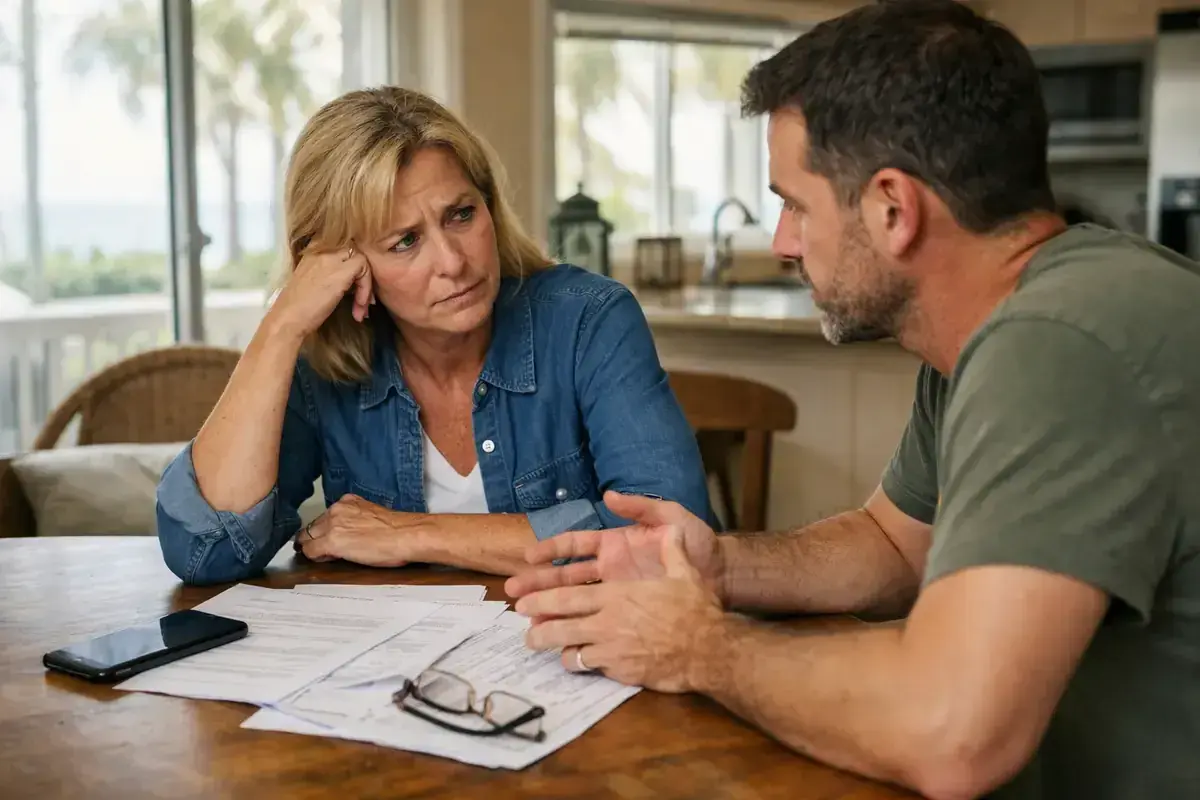
Fentanyl test strips are small tools used to check whether a drug sample may contain fentanyl. For many people in Florida, they come up during a frightening moment: a parent finds unfamiliar supplies, a person worries about a pill bought outside a pharmacy, or a family has already seen how quickly an opioid crisis can escalate. The goal of this page is to explain these strips clearly and carefully, without minimizing risk.
Florida Helps offers medically supervised detox in Florida. If withdrawal is starting or you are afraid to stop on your own, call 866-931-9677 today.
It is also important to say this directly: if fentanyl exposure is part of the picture, treatment should be on the table right away. Test strips may offer limited information, but they do not treat opioid use disorder, withdrawal, cravings, or overdose risk. If you or someone you love may need help stopping opioids, Florida Helps offers medically supervised detox in Florida, with next-step care based on a clinical assessment. Learn more at https://floridahelps.com/programs/detox/ or call 866-931-9677.
What fentanyl test strips are and what they do
Fentanyl test strips are single-use test tools designed to detect the possible presence of fentanyl in a dissolved sample. People may use them with powders, counterfeit pills that have been crushed and mixed with water, or residue from drug-use supplies. A positive result suggests fentanyl may be present. A negative result does not prove a sample is safe, because test performance can vary and contamination may be uneven throughout a substance.
That distinction matters in Florida, where illicit drug markets can be unpredictable from Miami-Dade to the Panhandle. A pill or powder sold as something else may contain fentanyl or a fentanyl-related substance. Families often hope a test strip can settle the question. In reality, it is only a screening tool. It cannot measure how much fentanyl is present, whether other dangerous substances are included, or whether a person is physically dependent on opioids and at risk for severe withdrawal.
Why fentanyl raises such serious concerns in Florida
Fentanyl is a powerful synthetic opioid, and even a small amount can be dangerous. The National Institute on Drug Abuse, or NIDA, has repeatedly warned that fentanyl is involved in many overdose deaths because it is often mixed into other drugs without a person’s knowledge. In Florida, that concern reaches beyond heroin use. Families may be dealing with counterfeit pain pills, stimulants, or other street drugs that can be contaminated.
Florida communities also face unique risk factors tied to tourism, nightlife, and a large flow of people through major metro areas and coastal regions. Someone may believe they are using the same substance they used before, yet the supply can change from one day to the next. If there is any sign of opioid misuse, fentanyl exposure, or fear of withdrawal, the safest next step may be a medical evaluation and detox planning rather than trying to manage it alone at home.
- A positive strip result does not tell you dose or potency.
- A negative result does not guarantee a sample is free of fentanyl.
- Street drugs and counterfeit pills can vary from one dose to another.
- Fentanyl exposure can occur even when a person did not intend to use opioids.
Fentanyl test strips compared with treatment-oriented next steps
| Option | What it does | Main limitation | Best use |
|---|---|---|---|
| Fentanyl test strips | Screens for possible fentanyl presence | Cannot confirm safety or treat dependence | Limited risk information |
| Home detox attempt | Stops use without clinical support | Higher discomfort and relapse risk | Not ideal when fentanyl or polysubstance use is involved |
| Medically supervised detox | Monitors withdrawal and supports stabilization | Not the full recovery plan by itself | Safer starting point for many opioid cases |
| Residential treatment | Provides structured therapy and support | Requires more time and structure | Useful after detox for higher clinical needs |
| Outpatient care | Offers ongoing therapy while living at home | May not be enough for unstable withdrawal or high-risk use | Step-down or direct entry when clinically appropriate |
What fentanyl test strips cannot tell you
A common misunderstanding is that test strips can answer the bigger clinical questions a person or family is really asking: Is this addiction? Is detox needed? Is it safe to stop now? The strips cannot answer those questions. They do not assess tolerance, physical dependence, co-occurring alcohol or benzodiazepine use, mental health symptoms, or medical issues such as dehydration, breathing problems, or heart concerns. Those decisions require a professional assessment.
That is one reason Florida families often move quickly from searching for fentanyl test strips to searching for detox. If someone is using opioids regularly, mixing substances, or showing signs such as nodding off, severe cravings, sickness between doses, or repeated return to use after trying to stop, a home approach may not be enough. Florida Helps can assess the situation and recommend an appropriate level of care, including medically supervised detox, residential treatment, or outpatient support based on individual needs.
- They do not diagnose opioid use disorder.
- They do not prevent overdose.
- They do not replace emergency care.
- They do not tell you what treatment level is appropriate.
When medically supervised detox may be the safer next step
If fentanyl may be involved, withdrawal and relapse risk deserve serious attention. People often try to stop on their own because they feel ashamed, worried about work, or afraid of what treatment will mean. But opioid withdrawal can be deeply distressing, and returning to use after a short period of abstinence can raise overdose risk. A supervised detox setting allows medical monitoring, symptom management, and planning for what comes next, rather than facing those risks alone.
At Florida Helps, detox is not treated as a stand-alone promise or a one-size-fits-all answer. Care decisions follow an assessment, including substance use history, mental health needs, physical health concerns, and safety risks. That process helps determine whether detox, residential treatment, outpatient care, or a step-down plan makes sense. If your family is stuck between buying test strips and hoping for the best, it may be time to talk with a treatment team now at https://floridahelps.com/programs/detox/.
Withdrawal can be dangerous to manage alone. Our Florida detox program provides 24/7 medical monitoring and a plan for what comes next. Call 866-931-9677.
How treatment planning works after detox
Detox can be an important first step, but it is rarely the whole plan. Once the body is stabilized, many people need structured support to address cravings, relapse patterns, trauma, anxiety, depression, family conflict, and the daily habits that keep substance use going. Florida Helps offers a continuum that may include residential treatment and outpatient care, with recommendations guided by assessment findings and progress in treatment.
For Florida residents, practical concerns also matter. Some people need a higher level of structure away from triggers in their local environment. Others may be able to continue with outpatient care while maintaining responsibilities at home or work. The right fit depends on safety, symptom severity, home support, transportation, and co-occurring mental health needs. The central point is this: a strip can only screen a substance, but treatment can address the person using it.
- Detox focuses on stabilization and withdrawal support.
- Residential care offers a more structured therapeutic setting.
- Outpatient care may fit people who are medically stable and have support.
- The best level of care is determined after assessment, not guesswork.
How families in Florida can respond right now
When families discover possible fentanyl exposure, panic is understandable. Try to focus on immediate safety and direct communication. If someone is unresponsive or having trouble breathing, call emergency services immediately. If the situation is not an emergency but opioid use is ongoing, avoid arguments about willpower or blame. A calm conversation about safety, withdrawal fears, and treatment options is more likely to move things forward than threats or ultimatums.
Florida families also benefit from acting quickly while motivation is present. The period after a scare, a positive test-strip result, or a close call can be a critical opening. Rather than stopping at internet research, use that moment to speak with a treatment provider about detox and next steps. Florida Helps can help your family understand options for medically supervised detox and continuing care in Florida. Call 866-931-9677 or visit https://floridahelps.com/programs/detox/ to start the conversation.
Related reading
- Florida Harm Reduction Rules for Test Strips
- Free Fentanyl Test Strips in Jacksonville
- Where to Get Fentanyl Test Strips in Orlando
- Where to Get Fentanyl Test Strips in Miami
- Broward Fentanyl Test Strips and Naloxone
- Florida 988 and Overdose Prevention Resources
- Are Fentanyl Test Strips Legal in Florida?
- Palm Beach Fentanyl Test Strip Programs
- Where to Get Fentanyl Test Strips in Tampa
If fentanyl test strips are part of your search, there is a good chance your real concern is bigger than the strip itself. You may be worried about withdrawal, overdose, relapse, or whether someone you love can stop safely. Florida Helps is here to talk through medically supervised detox and the next level of care based on a clinical assessment. Call 866-931-9677 or visit https://floridahelps.com/programs/detox/ to take the next step.
Start medically supervised detox in Florida
Do not wait for withdrawal to get worse. Our admissions team can talk through detox at Florida Helps and the next level of care. Call 866-931-9677.
Frequently asked questions
Are fentanyl test strips legal to use in Florida?
Laws and local policies can change, and people should check current Florida rules or local guidance. More importantly, legality does not equal safety. Even when test strips are available, they do not reduce the medical risks of opioid dependence, withdrawal, or overdose in the way a professional assessment and supervised treatment can.
If a fentanyl test strip is negative, does that mean the drug is safe?
No. A negative result does not prove safety. Test strips may miss fentanyl in some situations, and they do not identify other dangerous substances or measure strength. They also cannot tell you how your body will react, especially if there is lowered tolerance, recent abstinence, or mixing with alcohol or sedatives.
When should someone consider detox instead of trying to stop at home?
Detox should be considered when there is regular opioid use, likely withdrawal, repeated unsuccessful attempts to stop, polysubstance use, severe cravings, medical concerns, or mental health symptoms. If fentanyl may be involved, those risks can be even more serious. A treatment provider can assess the situation and recommend the safest next step.
Can Florida Helps provide care after detox too?
Yes. Florida Helps offers a continuum that includes medically supervised detox as well as residential and outpatient care. Recommendations are based on an assessment rather than assumptions. That allows the treatment plan to reflect the person’s substance use pattern, mental health needs, physical health status, support system, and recovery goals.
What should families do if they find fentanyl test strips or suspect fentanyl exposure?
Treat it as a sign to ask direct, calm questions and prioritize safety. If there is an emergency, call 911 right away. If not, use the moment to discuss professional help instead of only debating the strips themselves. Families in Florida often get further by arranging an assessment and asking about detox than by trying to manage the risk alone.
Further treatment information
These public health resources offer background for comparing options and preparing questions for a care team. They do not confirm local appointment availability.