
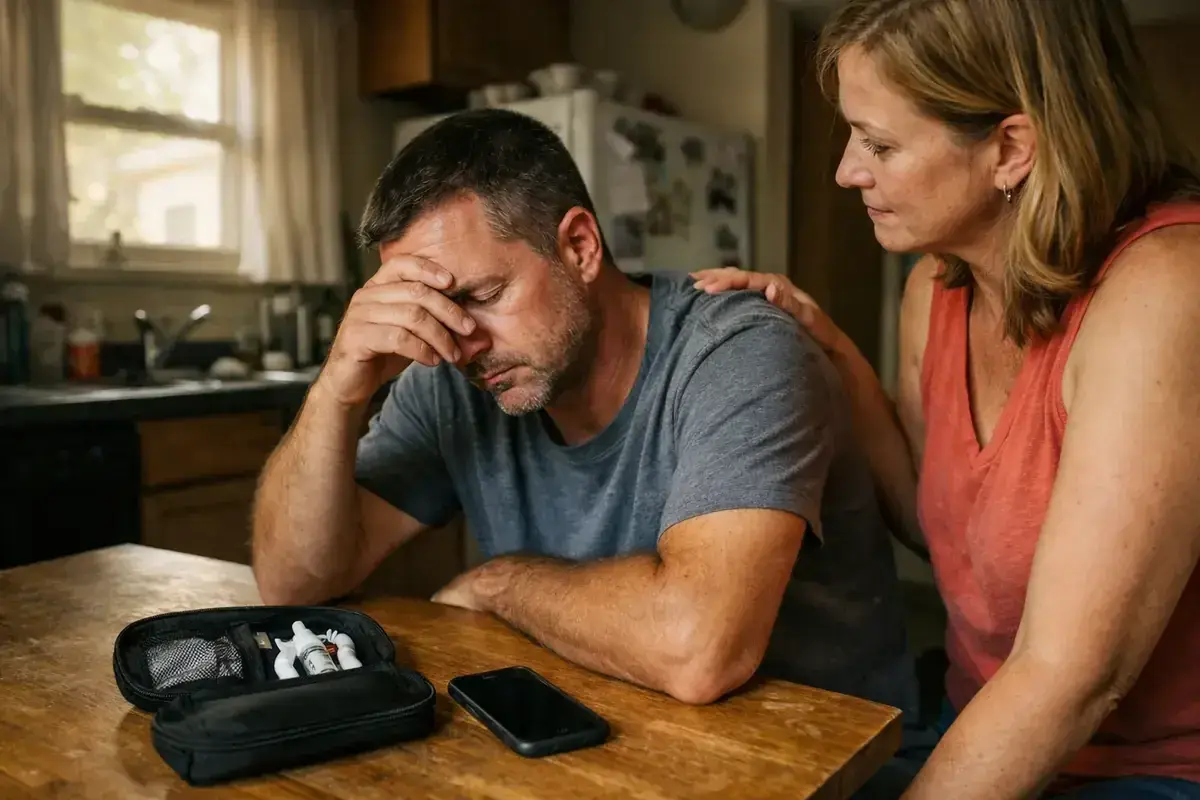
If you are searching for florida 988 overdose prevention information, you may be worried about a loved one, trying to stay safe yourself, or looking for treatment options in Florida right now. In this state, the 988 Lifeline can help when someone is in a mental health or substance use crisis, but it is important to know what 988 can and cannot do during an overdose emergency. Fast action, naloxone, and emergency medical care can save lives.
Florida Helps offers medically supervised detox in Florida. If withdrawal is starting or you are afraid to stop on your own, call 866-931-9677 today.
For many Florida families, overdose prevention is only the first step. If someone is using opioids, fentanyl, alcohol, benzodiazepines, or multiple substances, the safest path may be to begin medically supervised detox and then continue into residential or outpatient treatment based on an assessment. Florida Helps offers detox-focused care in Florida, and you can learn more at https://floridahelps.com/programs/detox/ or call 866-931-9677 to discuss next steps.
When to call 988 in Florida and when to call 911
In Florida, 988 is designed for mental health, emotional distress, and substance use crisis support. If someone is panicking, talking about self-harm, escalating emotionally, or asking for help because substance use feels out of control, 988 can be an important first contact. The counselor can help de-escalate the moment, talk through safety, and guide the caller toward local supports and treatment resources in Florida.
An overdose is different. If a person is unresponsive, breathing slowly, has blue or gray lips, cannot be awakened, or you suspect opioid overdose, call 911 immediately in Florida and give naloxone if available. 988 is not a replacement for emergency medical response. After the immediate crisis, families can shift from emergency action to treatment planning, including an assessment for medically supervised detox when withdrawal risks or ongoing use make home management unsafe.
- Call 988 for a substance use or mental health crisis when immediate emotional support is needed.
- Call 911 for any suspected overdose, severe breathing problems, seizures, or unresponsiveness.
- Use naloxone right away if opioid overdose is suspected, then stay with the person until help arrives.
- After emergency stabilization, ask about treatment options and consider starting detox based on a clinical assessment.
How overdose prevention looks in Florida households
Florida overdose prevention often starts at home, especially when families know fentanyl may be present in counterfeit pills, stimulants, heroin, or mixed drug supplies. NIDA has emphasized that fentanyl can be difficult to detect and can sharply raise overdose risk. Families in Florida can reduce harm by learning overdose signs, keeping naloxone accessible, avoiding using alone, and seeking professional help early instead of waiting for a crisis to repeat.
Fentanyl test strips may be part of a broader safety conversation, but they are not treatment and they do not make drug use safe. People can still overdose even when they try to check a substance first. If someone is using regularly, has had withdrawal symptoms, or feels unable to stop despite consequences, the more protective step is to start treatment. Florida Helps can help you begin with medically supervised detox at https://floridahelps.com/programs/detox/ and determine the right level of care after assessment.
- Keep naloxone where household members can access it quickly.
- Do not let a person use alone if overdose risk is a concern.
- Treat any unusual sleepiness or slowed breathing as an emergency.
- Move from crisis management toward treatment planning as soon as possible.
Florida crisis and treatment options at a glance
| Situation | Best first call | Main purpose | What to do next |
|---|---|---|---|
| Person is overdosing or not waking up | 911 | Emergency medical response | Give naloxone and seek treatment assessment |
| Person is in emotional or substance use crisis | 988 | Crisis counseling and support | Arrange local follow-up care in Florida |
| Withdrawal symptoms are starting | Treatment provider | Assessment for detox | Consider medically supervised detox |
| Needs structured daily support after detox | Treatment provider | Residential or outpatient planning | Follow level of care recommendations |
| Family wants guidance today | Florida Helps | Discuss treatment options | Call 866-931-9677 |
Why medically supervised detox matters after overdose risk
After a scare involving fentanyl, opioids, alcohol, or sedatives, many people promise to quit on their own. In Florida, families often try to monitor symptoms at home, but withdrawal can become medically complicated or emotionally overwhelming. Detox is not only about comfort. It is about monitoring safety, responding to symptoms, and reducing the risk that a person returns to use because withdrawal becomes too intense. Care decisions should follow an assessment of substance history, medical needs, mental health concerns, and relapse risk.
For opioids, alcohol, and benzodiazepines especially, medically supervised detox can be a safer starting point than trying to stop without professional support. It also creates a direct pathway into the next level of care, whether that is residential treatment or outpatient treatment in Florida. If your family is cycling between crisis calls and short periods of abstinence, this is the time to take the next step. Learn about detox at https://floridahelps.com/programs/detox/ or call 866-931-9677 to talk through options.
What Florida families can do in the first minutes of a suspected overdose
In the first minutes of a suspected overdose, Florida families should focus on breathing, responsiveness, and calling for emergency help. If opioids may be involved, give naloxone according to the product instructions and call 911 right away. If the person is not breathing normally, follow dispatcher guidance. If they begin breathing again, they still need medical evaluation because overdose symptoms can return, especially with potent opioids or multiple substances on board.
Once the immediate danger passes, do not minimize what happened. A near overdose is a warning sign that the current pattern of use is unsafe. Families in Florida sometimes feel relief and then avoid the treatment conversation for fear of conflict. That delay can be costly. A calmer follow-up plan is to ask for an assessment and discuss detox, residential care, or outpatient support based on current needs, medical history, and withdrawal risk.
- Call 911 immediately for suspected overdose.
- Give naloxone if opioids may be involved.
- Stay with the person and monitor breathing until responders arrive.
- Seek a treatment assessment after the emergency, even if the person seems better later.
Withdrawal can be dangerous to manage alone. Our Florida detox program provides 24/7 medical monitoring and a plan for what comes next. Call 866-931-9677.
Detox, residential, or outpatient: choosing the right level of care in Florida
Not every person in Florida needs the same kind of treatment, and responsible recommendations should follow an assessment rather than assumptions. Detox may be the first step when withdrawal is expected or when a person has been using in a way that creates medical risk. Residential treatment may be appropriate when someone needs a structured setting away from triggers. Outpatient care can be helpful when symptoms are stable enough for treatment while living at home and maintaining certain responsibilities.
What matters most is not choosing the least intensive option by default. Families often hope motivation alone will carry a person through early recovery, but cravings, untreated mental health symptoms, and unstable home routines can quickly undermine that plan. Starting with medically supervised detox can create a safer foundation and help clinicians recommend what should come next. Florida Helps offers detox as part of a broader treatment continuum in Florida, with next steps guided by assessment findings.
Building a Florida safety plan that leads to treatment
A practical Florida safety plan should cover both crisis response and the next treatment step. Keep 988 and 911 roles clear, store naloxone where people can find it, and decide who will make the call if symptoms worsen. Families can also agree on what will happen after a close call, including contacting a treatment provider the same day. The point is not to control the person. The point is to reduce confusion in a high-stress moment and make treatment easier to start.
If your household has already had overdose scares, repeated intoxication, blackouts, or dangerous withdrawal symptoms, it is reasonable to move beyond harm reduction alone. Treatment can address the underlying substance use disorder and any co-occurring mental health concerns that may be driving the pattern. To start the process in Florida, review the detox program at https://floridahelps.com/programs/detox/ and call 866-931-9677. A compassionate conversation and assessment can help clarify the safest next step.
- Write down emergency contacts and keep them visible.
- Decide in advance who has naloxone and who will call 911.
- Plan for a same-day treatment call after any overdose scare or severe intoxication event.
- Use the assessment process to determine whether detox, residential, or outpatient care fits best.
Related reading
- Fentanyl Test Strips
- Florida Harm Reduction Rules for Test Strips
- Free Fentanyl Test Strips in Jacksonville
- Where to Get Fentanyl Test Strips in Orlando
- Where to Get Fentanyl Test Strips in Miami
If you are worried that another close call could happen, do not wait for the next crisis to decide what to do. Florida Helps can talk with you about medically supervised detox, residential care, and outpatient options, with recommendations based on an assessment of current needs. Visit https://floridahelps.com/programs/detox/ or call 866-931-9677 today to start a safer, treatment-focused plan in Florida.
Start medically supervised detox in Florida
Do not wait for withdrawal to get worse. Our admissions team can talk through detox at Florida Helps and the next level of care. Call 866-931-9677.
Frequently asked questions
Is 988 the right number for an overdose in Florida?
Usually no. In Florida, 988 is for mental health and substance use crisis support, but a suspected overdose is a medical emergency. Call 911 immediately, give naloxone if opioids may be involved, and stay with the person. After the emergency, use a treatment assessment to decide whether detox or another level of care is appropriate.
Can fentanyl test strips prevent overdose?
They can be part of a harm reduction discussion, but they do not prevent overdose on their own. A substance may still be dangerous, and people can still overdose from fentanyl, other drugs, or combinations of substances. If use is ongoing, repeated, or difficult to stop, treatment is a more protective next step than relying on test strips alone.
When should someone in Florida consider medically supervised detox?
Detox should be considered when stopping a substance may bring significant withdrawal, when use has become compulsive, after an overdose scare, or when home management feels unsafe. Opioids, alcohol, benzodiazepines, and polysubstance use can create serious concerns. An assessment helps determine whether detox is the right starting point and what care should follow.
What happens after detox if someone still needs help?
Detox is often the beginning, not the full treatment plan. After stabilization, the next step may be residential treatment for more structure or outpatient care for ongoing therapy and support while living at home. The best recommendation depends on assessment findings, including medical needs, mental health symptoms, relapse risk, and the home environment.
How can families in Florida talk to a loved one after an overdose scare?
Choose a calm moment, focus on safety, and avoid arguing about blame. You can say that the event was serious and that you want to help them get assessed for the right level of care. Be ready with a concrete next step, such as calling Florida Helps at 866-931-9677 or reviewing the detox program together online.
Further treatment information
These public health resources offer background for comparing options and preparing questions for a care team. They do not confirm local appointment availability.