
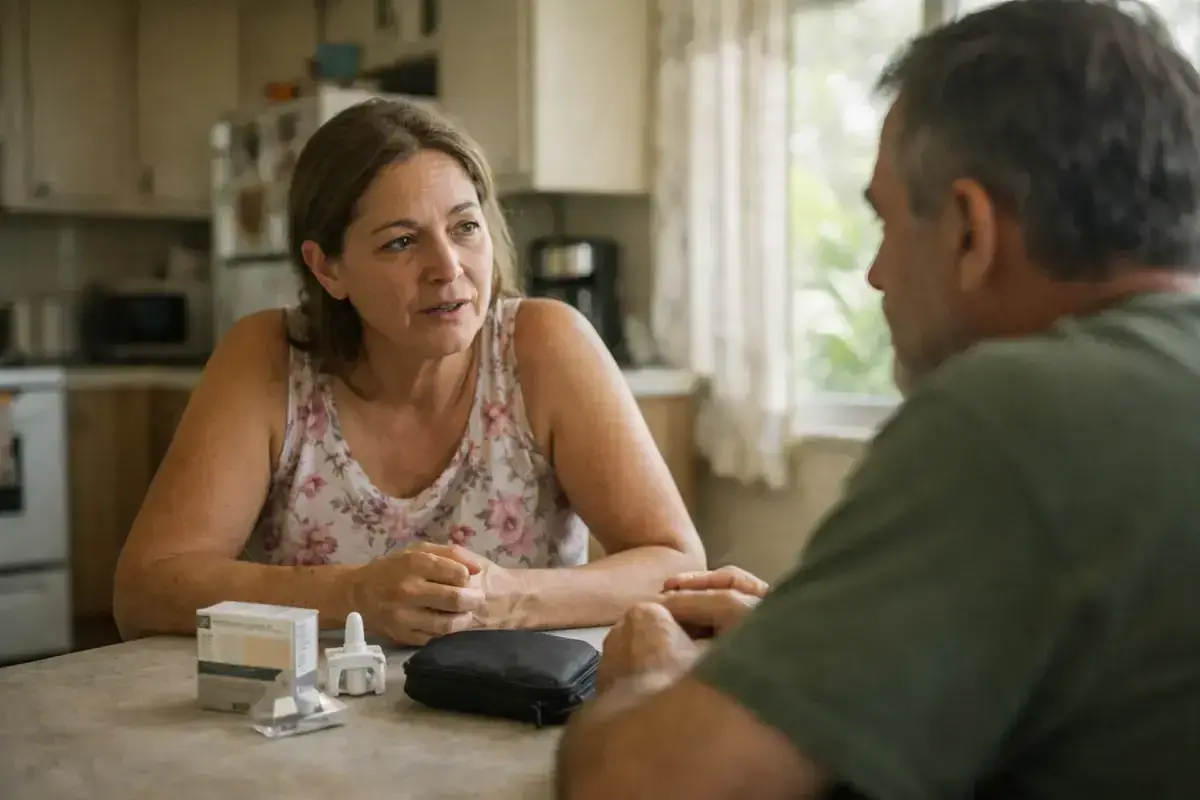
If you are searching for the florida fentanyl test strip law, you may be trying to protect yourself or someone you love from an increasingly dangerous drug supply. In Florida, fentanyl test strips are part of a harm reduction conversation that aims to lower immediate risk, especially when people may not know what is in a pill or powder. That said, test strips do not make drug use safe, and they do not treat opioid use disorder, stimulant misuse, or co-occurring mental health conditions.
Florida Helps offers medically supervised detox in Florida. If withdrawal is starting or you are afraid to stop on your own, call 866-931-9677 today.
For many Florida families, harm reduction is only the first step. If fentanyl exposure, opioid withdrawal, repeated relapse, or overdose risk is part of the picture, it may be time to move beyond testing and into treatment. Florida Helps provides medically supervised detox and ongoing residential and outpatient care based on an assessment. To learn about detox options, visit https://floridahelps.com/programs/detox/ or call 866-931-9677.
What Florida law means for fentanyl test strips
In Florida, fentanyl test strips are generally treated as a harm reduction tool rather than automatically being handled the same way as illegal drug paraphernalia. The practical takeaway for many residents is that possessing a strip used to check a drug sample for fentanyl is not the same legal issue it once was. This change reflects a public health approach: if people can identify fentanyl, they may be better able to avoid immediate poisoning or overdose.
Even so, the florida fentanyl test strip law should not be misunderstood as approval of drug use or a promise of safety. A strip can only indicate whether fentanyl may be present in a tested sample under certain conditions. It cannot measure the full potency of a substance, identify every dangerous adulterant, or prevent withdrawal, craving, or compulsive use. If fentanyl is part of your story, the safer next step is a clinical evaluation and, when appropriate, medically supervised detox.
Why test strips matter in Florida right now
Florida communities continue to face serious concerns related to fentanyl in counterfeit pills, heroin, cocaine, and other street drugs. National agencies including NIDA, SAMHSA, and the CDC have repeatedly warned that fentanyl may be present even when a person does not expect an opioid. In a state as large as Florida, where families travel, relocate, and access substances through many informal channels, unpredictability is a major risk factor.
That is why harm reduction tools can matter. A test strip may help someone pause, use less, avoid using alone, or keep naloxone nearby. These are important steps, but they are still emergency-minded strategies, not recovery care. If someone is using despite consequences, struggling to stop, or afraid of withdrawal, Florida Helps can assess what level of care fits best, including medically supervised detox at https://floridahelps.com/programs/detox/.
- Test strips may detect fentanyl in a sample, but they do not prove a drug is safe.
- A negative result does not rule out every dangerous substance or every testing error.
- Risk remains high when substances are mixed, mislabeled, or bought outside regulated systems.
- Naloxone, not a test strip, is the emergency medication used to reverse an opioid overdose.
Florida fentanyl test strip law: quick comparison
| Topic | What test strips can do | What they cannot do | Better next step |
|---|---|---|---|
| Florida legal status | Generally recognized as a harm reduction tool | Does not legalize drug possession or use | Ask about treatment options after an assessment |
| Overdose prevention | May alert someone that fentanyl could be present | Cannot reverse overdose | Keep naloxone available and call 911 in an emergency |
| Withdrawal and dependence | May influence a decision not to use a sample | Cannot treat cravings or withdrawal | Consider medically supervised detox |
| Mental health needs | May support a brief safety conversation | Cannot address anxiety, depression, or trauma | Seek integrated behavioral health care |
| Long-term recovery | May reduce immediate risk in some situations | Cannot build sobriety or prevent relapse alone | Step into residential or outpatient treatment |
Limits of fentanyl test strips and common misunderstandings
A common misunderstanding is that a test strip creates a green light for use. It does not. Strips are screening tools with important limitations. They may not reflect how fentanyl is distributed through an entire batch, they may miss other potent synthetic opioids, and they cannot tell you how your body will react. They also do not address alcohol, benzodiazepines, xylazine, or stimulant-related medical emergencies.
Another misunderstanding is that people should manage withdrawal on their own if a strip comes back positive. For many people, sudden attempts to stop opioids without support can lead to intense withdrawal, dehydration, relapse, and overdose risk after a period of lowered tolerance. If someone in Florida is using regularly or has symptoms such as chills, body aches, vomiting, anxiety, insomnia, or cravings, an assessment for detox is a more protective next step than home experimentation.
When harm reduction should turn into treatment
Harm reduction is helpful, but it should not become a substitute for care when the signs point to a substance use disorder. If fentanyl exposure is possible, the question is not only whether a strip is legal or available in Florida. The bigger question is whether the person can safely stop, whether use is escalating, and whether mental health symptoms are making recovery harder. Treatment decisions should follow an assessment so the plan matches medical needs and daily functioning.
At Florida Helps, medically supervised detox can be the entry point when withdrawal risk, relapse risk, or safety concerns are high. Detox is designed to help stabilize the body while clinicians monitor symptoms and decide what comes next. Depending on the assessment, that next step may include residential treatment, outpatient care, mental health support, or a combination. Starting with detox can reduce the chaos and danger that often surround fentanyl-related use.
- Repeated use despite family, work, health, or legal problems is a major warning sign.
- Using to avoid withdrawal often means the body has developed dependence.
- A history of overdose or mixing substances raises the need for urgent evaluation.
- Anxiety, depression, trauma symptoms, or sleep disruption can complicate substance use and recovery.
- Family members do not need to wait for a crisis before asking for help.
Withdrawal can be dangerous to manage alone. Our Florida detox program provides 24/7 medical monitoring and a plan for what comes next. Call 866-931-9677.
Florida-specific practical steps for families
For Florida families, the most useful approach is often a layered one: reduce immediate overdose risk while moving quickly toward treatment. That may mean keeping naloxone available, not using alone, and knowing where emergency care is located in your county. It also means recognizing that a positive strip result is a sign of danger, not a plan. If the person is willing, call for a treatment assessment the same day rather than waiting to see what happens next.
If your loved one is ambivalent, keep the conversation calm and concrete. Focus on what you are seeing in real life: nodding off, panic during withdrawal, secrecy, missed responsibilities, or buying pills that may not be what they seem. Florida families often feel pressure to solve everything at once, but the first milestone can be simpler: getting the person safely into medically supervised detox and building from there.
- Store naloxone where household members can find it quickly and learn how to use it.
- Do not rely on test strips alone if a person has already overdosed or is showing severe impairment.
- Call 911 for slowed breathing, blue lips, unresponsiveness, or suspected overdose.
- Use one clear message: we want you medically assessed and safe today.
How detox and ongoing care can help
People often ask whether they should go straight to detox or try to taper on their own. The safest answer depends on the substance pattern, physical health, psychiatric history, and prior withdrawal experiences. That is why Florida Helps emphasizes assessment before recommending a level of care. For some people, medically supervised detox is the right starting point because it offers monitoring, symptom management, and a structured handoff to the next stage of treatment.
Detox alone is rarely the whole plan. Recovery is stronger when stabilization is followed by residential or outpatient care that addresses cravings, coping skills, relapse prevention, family stress, and mental health needs. If fentanyl, counterfeit pills, or polysubstance use are involved, delaying treatment can keep risk high. To start the process, visit https://floridahelps.com/programs/detox/ or call 866-931-9677 for guidance on the next step.
Related reading
- Fentanyl Test Strips
- Free Fentanyl Test Strips in Jacksonville
- Where to Get Fentanyl Test Strips in Orlando
- Where to Get Fentanyl Test Strips in Miami
- Broward Fentanyl Test Strips and Naloxone
If fentanyl is part of your life or your family’s life, do not wait for a worse scare to take the next step. Harm reduction can lower immediate danger, but treatment addresses the deeper problem. Florida Helps can assess your situation and recommend an appropriate level of care, including medically supervised detox, residential treatment, or outpatient support. Call 866-931-9677 today or visit https://floridahelps.com/programs/detox/ to begin.
Start medically supervised detox in Florida
Do not wait for withdrawal to get worse. Our admissions team can talk through detox at Florida Helps and the next level of care. Call 866-931-9677.
Frequently asked questions
Are fentanyl test strips legal in Florida?
Florida generally allows fentanyl test strips to be used as a harm reduction tool rather than treating them the same way as illegal drug paraphernalia in the past. That said, laws can change and individual situations differ. For legal advice, speak with a Florida attorney. For safety and treatment questions, call 866-931-9677.
Do fentanyl test strips mean a drug is safe if the result is negative?
No. A negative result does not make a substance safe. A strip may miss fentanyl in part of a sample, may not identify every dangerous substance, and cannot measure potency. Street drugs and counterfeit pills in Florida can still be unpredictable. If use is ongoing, treatment is safer than relying on repeated testing.
Should someone go to detox if they have been exposed to fentanyl?
If a person is using opioids regularly, has withdrawal symptoms, has overdosed before, or cannot stop despite wanting to, detox may be the right place to start. The best decision depends on an assessment of medical and behavioral health needs. Florida Helps can help determine whether medically supervised detox is appropriate.
Can families in Florida use test strips instead of getting treatment?
Test strips are not a substitute for treatment. They may reduce some immediate risk, but they do not address dependence, relapse, or co-occurring anxiety, depression, or trauma. Families often do best when they use harm reduction as a bridge, then move quickly toward detox and follow-up care based on a professional assessment.
What should I do right now if I am worried about fentanyl use?
If there is an overdose or severe impairment, call 911 right away and use naloxone if available. If there is no immediate emergency but fentanyl exposure is possible, seek a treatment assessment as soon as possible. You can learn about medically supervised detox at https://floridahelps.com/programs/detox/ or call Florida Helps at 866-931-9677.
Further treatment information
These public health resources offer background for comparing options and preparing questions for a care team. They do not confirm local appointment availability.