
If you are searching for palm beach fentanyl test strip programs, you may be trying to lower immediate risk while also figuring out what real treatment should look like. In Palm Beach County and across South Florida, fentanyl can show up in heroin, counterfeit pills, cocaine, and other street drugs. Test strips may help identify fentanyl in some substances, but they do not make drug use safe, and they cannot measure how much fentanyl is present or predict every overdose risk.
Florida Helps offers medically supervised detox in Florida. If withdrawal is starting or you are afraid to stop on your own, call 866-931-9677 today.
For many Florida families, test strips are a first step in a much larger conversation about treatment. If someone is using opioids or mixing substances, the safest next step may be medically supervised detox followed by residential or outpatient care based on a clinical assessment. Florida Helps provides medically supervised detox and ongoing treatment options in Florida. You can learn more at https://floridahelps.com/programs/detox/ or call 866-931-9677 to talk through next steps.
What fentanyl test strips do and do not do
Fentanyl test strips are small screening tools designed to detect the presence of fentanyl in a drug sample. In Palm Beach, they are often discussed as a harm reduction measure because fentanyl may be present in substances a person did not intend to take. A positive result can signal serious danger, but a negative result does not mean a substance is safe. Drug supply changes quickly, contamination can be uneven, and other potent synthetic opioids may still be involved.
Families sometimes find temporary reassurance in a test result, but that can be misleading. A person can still overdose even if a strip does not detect fentanyl, especially when using opioids, counterfeit pills, or combinations that include alcohol or benzodiazepines. The National Institute on Drug Abuse, or NIDA, and SAMHSA both emphasize that overdose prevention tools matter, but they are not treatment. If opioid use has become regular, compulsive, or hard to stop, it is time to consider detox and a full treatment plan in Florida.
- A strip may detect fentanyl in a sample, but it cannot confirm safety
- A negative result does not rule out overdose risk or other dangerous additives
- Test strips do not treat withdrawal, cravings, or opioid use disorder
- Using alone remains especially dangerous, even when a substance has been tested
How palm beach fentanyl test strip programs fit into a Florida safety plan
In Palm Beach County, fentanyl test strip programs are best understood as one part of a broader safety plan, not the plan itself. People may find these programs through local outreach, community health efforts, or conversations with providers. In Florida communities from West Palm Beach to Boca Raton and Delray Beach, the need is often urgent because fentanyl exposure may happen with pills sold as oxycodone or Xanax, and with non-opioid drugs as well.
A real safety plan should also include overdose education, access to naloxone, avoiding use alone, and a clear path into treatment. For families, that means looking beyond the strip and asking harder questions: Is the person waking up sick without drugs? Have there been close calls, blackouts, or mixing with alcohol? Is daily life shrinking around substance use? When these signs are present, medically supervised detox in Florida may be the most important next step.
- Keep naloxone available and know how to use it
- Avoid using alone, especially after reduced tolerance or recent abstinence
- Treat any overdose or severe sedation as a medical emergency
- Make a treatment call before the next crisis, not after it
Palm Beach fentanyl test strips vs. treatment support
| Option | Main purpose | What it can help with | What it cannot do |
|---|---|---|---|
| Fentanyl test strips | Detect possible fentanyl | May alert a person to contamination | Cannot make use safe or treat addiction |
| Naloxone | Reverse opioid overdose | Can save a life in an emergency | Does not replace medical follow-up or treatment |
| Medically supervised detox | Manage withdrawal safely | Stabilization and clinical monitoring | Not a complete recovery plan by itself |
| Residential treatment | Structured daily care | Therapy, support, relapse prevention | May not be the right fit for every person |
| Outpatient treatment | Ongoing care with flexibility | Therapy and continued support | May be insufficient for high-risk withdrawal cases |
When test strips are not enough and detox should start now
If someone is using opioids every day, experiencing withdrawal, buying pills on the street, or using multiple substances, test strips are not enough. They may reduce one layer of uncertainty, but they do nothing for the physical stress of withdrawal or the cycle of cravings and repeated use. In Palm Beach County, people often delay treatment because they are afraid of being judged or are unsure where to begin. Starting with a detox assessment can make the process more manageable.
Florida Helps offers medically supervised detox in Florida for people who may need stabilization before ongoing care. Detox is not one-size-fits-all. Care decisions follow an assessment, including what substances are being used, how often, physical and mental health needs, and withdrawal risk. Depending on the assessment, the recommended path may include detox, residential treatment, outpatient treatment, or a step-down approach. To start, visit https://floridahelps.com/programs/detox/ or call 866-931-9677.
What families in Palm Beach should watch for
Families often notice the pattern before the person using substances is ready to talk about it. In Palm Beach, warning signs may include missing work, nodding off, mood swings, secretive behavior, frequent money problems, or finding burnt foil, powder residue, baggies, or counterfeit-looking pills. If someone has had an overdose, needed naloxone, or appears heavily sedated, the risk level is high and immediate medical attention may be needed.
It can also be confusing when the person says they are not using opioids at all. Because fentanyl may appear in other drugs, a person using cocaine or counterfeit pills can still be exposed and still develop serious problems. If mental health symptoms such as panic, depression, trauma responses, or insomnia are part of the picture, treatment should address both substance use and behavioral health needs. A Florida treatment assessment can help clarify the safest level of care.
- Repeated withdrawal symptoms such as sweating, vomiting, chills, or body aches
- Use of pills not obtained from a licensed pharmacy
- Overdose history or near-overdose episodes
- Mixing opioids with alcohol, benzodiazepines, or other sedating drugs
- Rapid return to use after trying to quit at home
Withdrawal can be dangerous to manage alone. Our Florida detox program provides 24/7 medical monitoring and a plan for what comes next. Call 866-931-9677.
Treatment options in Florida after detox
Detox helps manage withdrawal safely, but recovery usually requires more than detox alone. After stabilization, many people benefit from residential treatment for structured support, while others may be appropriate for outpatient care if they are medically stable and have a supportive environment. In Florida, level-of-care decisions should follow an assessment rather than assumptions. That is especially important when fentanyl exposure, co-occurring mental health conditions, or polysubstance use are involved.
Florida Helps provides medically supervised detox along with residential and outpatient care in Florida, allowing treatment planning to continue after the initial crisis. The goal is not simply to get through a few days of withdrawal. It is to build a realistic next step that addresses cravings, relapse risk, mental health symptoms, and daily functioning. If you are researching palm beach fentanyl test strip programs because the situation already feels dangerous, now is the time to explore detox at https://floridahelps.com/programs/detox/.
Talking to a loved one about treatment in Palm Beach County
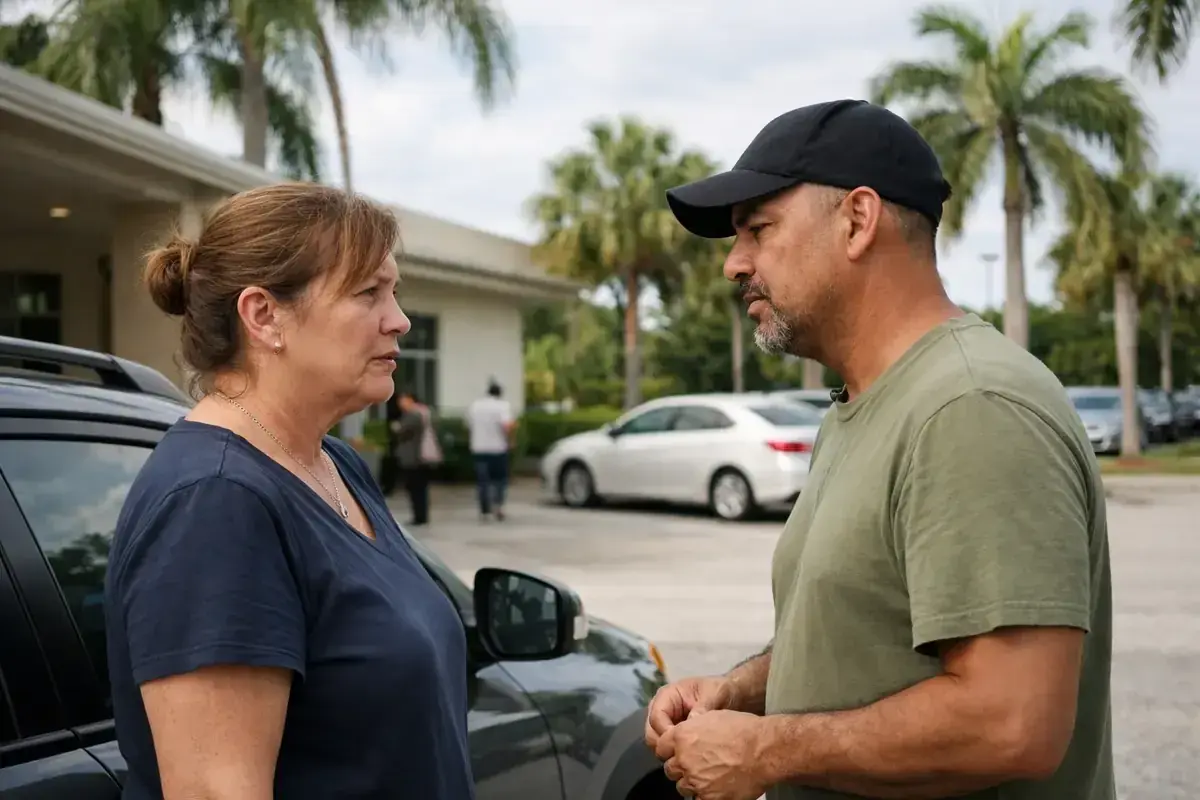
A calm, direct conversation usually works better than a lecture. Try focusing on what you have observed: withdrawal symptoms, risky pills, mixing substances, changes in mood, or a recent overdose scare. You do not need to prove a diagnosis before asking for help. In many Palm Beach families, the turning point comes when someone says, clearly and compassionately, that the current pattern is too risky and that professional detox is available now.
It can help to offer one immediate step instead of debating every detail. You might say that test strips may help reduce some risk, but they do not solve the bigger medical problem. Then offer to make the call together. If the person agrees, ask about an assessment and what level of care fits their needs. Florida Helps can discuss medically supervised detox and treatment options in Florida at 866-931-9677.
- Choose a calm time, not the middle of an argument or crisis
- Use specific observations instead of labels or blame
- Be ready to act quickly if the person is willing to get help
- Call 911 for overdose signs such as slowed breathing or unresponsiveness
Related reading
- Fentanyl Test Strips
- Florida Harm Reduction Rules for Test Strips
- Free Fentanyl Test Strips in Jacksonville
- Where to Get Fentanyl Test Strips in Orlando
- Where to Get Fentanyl Test Strips in Miami
If you are looking into palm beach fentanyl test strip programs, there is a good chance the risks already feel too close to home. Test strips may play a role in harm reduction, but they are not treatment. If you or someone you love may need help with opioid or polysubstance use, take the next step toward medically supervised detox in Florida. Visit https://floridahelps.com/programs/detox/ or call 866-931-9677 to discuss an assessment and appropriate treatment options.
Start medically supervised detox in Florida
Do not wait for withdrawal to get worse. Our admissions team can talk through detox at Florida Helps and the next level of care. Call 866-931-9677.
Frequently asked questions
Are fentanyl test strips legal or available in Palm Beach County?
Availability can change by program and community setting, so it is best to check current local resources in Palm Beach County. More importantly, test strips are only one harm reduction tool. If someone is using opioids, counterfeit pills, or multiple substances, treatment should not be delayed while searching for strips.
If a test strip is negative, does that mean the drug is safe?
No. A negative result does not mean a substance is safe. It may miss fentanyl in parts of a sample, and it cannot identify every dangerous additive or predict overdose risk. Overdose can still happen, especially with counterfeit pills, high potency opioids, or mixing substances such as alcohol and benzodiazepines.
When should someone go to detox instead of trying to stop at home?
Detox should be considered when there is regular opioid use, withdrawal symptoms, a history of overdose, street pills, heavy sedation, or use of multiple substances. Stopping at home can be overwhelming and sometimes risky. The safest next step is a professional assessment to determine whether medically supervised detox is appropriate.
What happens after detox at Florida Helps?
After detox, care recommendations follow an assessment. Some people may need residential treatment for more structure, while others may be appropriate for outpatient care if they are stable enough. The plan depends on substance use patterns, physical and mental health needs, relapse risk, and the support available at home.
How can families in Palm Beach talk to someone who is resistant to treatment?
Keep the conversation calm and specific. Focus on what you have seen, such as withdrawal, risky pill use, mixing substances, or overdose scares, rather than arguing about labels. Offer one immediate action, like calling for an assessment together. If there are emergency overdose signs, call 911 right away.
Further treatment information
These public health resources offer background for comparing options and preparing questions for a care team. They do not confirm local appointment availability.