
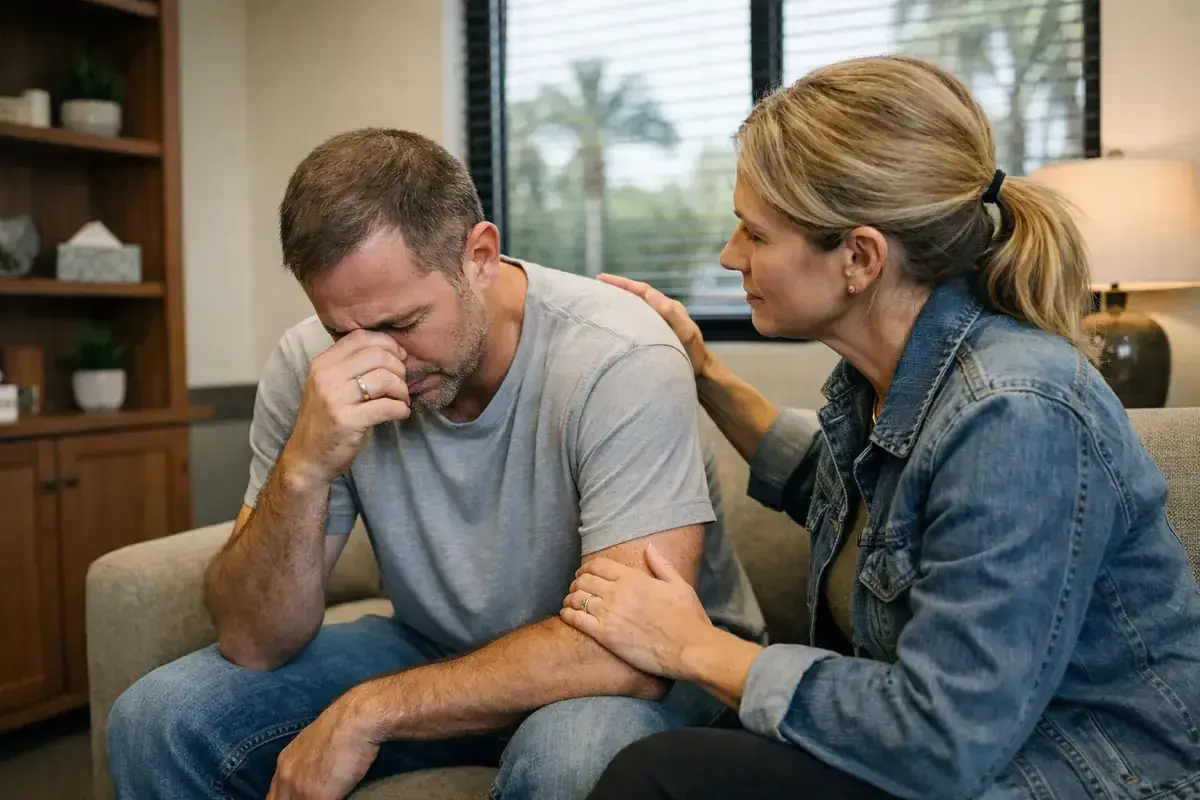
Opioid withdrawal can feel overwhelming, painful, and frightening, especially when you are trying to decide whether symptoms are manageable at home or require medical help. For adults and families in Jacksonville, knowing what opioid withdrawal looks like is an important first step toward safer care. Symptoms may begin within hours after the last use of heroin or short-acting pain pills, while longer-acting opioids may start later. The experience can vary based on the substance used, the amount, how long use has continued, and a person’s physical and mental health.
Florida Helps offers medically supervised detox in Florida. If withdrawal is starting or you are afraid to stop on your own, call 866-931-9677 today.
In Florida, the safest next step is often a professional assessment followed by medically supervised detox when appropriate. Florida Helps provides addiction treatment in Florida, including detox, residential, and outpatient care, with care decisions based on each person’s clinical assessment. If you are searching for Jacksonville opioid withdrawal symptoms help, you can start by learning about medically supervised detox at https://floridahelps.com/programs/detox/ or call 866-931-9677 to discuss treatment options.
What opioid withdrawal can feel like
Opioid withdrawal happens when the body reacts to a sudden drop or stop in opioids after dependence has developed. Common early symptoms include anxiety, restlessness, sweating, yawning, runny nose, muscle aches, and trouble sleeping. As withdrawal progresses, people may also develop nausea, vomiting, diarrhea, chills, goosebumps, shaking, stomach cramping, and a rapid heart rate. These symptoms are often intensely uncomfortable, which is one reason people return to use even when they want to stop.
While opioid withdrawal is often described as less likely to be fatal than withdrawal from alcohol or benzodiazepines, it can still create serious medical risks. Dehydration, worsening mental health symptoms, unsafe blood pressure changes, and relapse after a period of reduced tolerance can all become dangerous. In Jacksonville and across Florida, the combination of heat, humidity, and transportation barriers can make trying to detox alone even harder. Medically supervised care can help protect safety and improve comfort during this stage.
- Early symptoms may include sweating, yawning, body aches, anxiety, and insomnia.
- Later symptoms may include nausea, vomiting, diarrhea, cramping, chills, and strong cravings.
- Severity depends on the opioid involved, dose, frequency, length of use, and overall health.
- Mental health concerns such as panic, depression, or hopelessness can intensify withdrawal.
When symptoms usually begin and how long they may last
The timeline for opioid withdrawal depends heavily on whether the opioid is short-acting or long-acting. According to the National Institute on Drug Abuse and ASAM, heroin and many short-acting prescription opioids may trigger symptoms within about 8 to 24 hours after the last use. Methadone and some other longer-acting opioids may produce a later onset. This difference matters because people sometimes assume they are fine, only to feel much worse a day or two later.
Acute withdrawal commonly peaks over the first several days, but the exact course can differ from person to person. Some individuals also experience ongoing sleep problems, anxiety, low mood, fatigue, or cravings after the most intense physical symptoms ease. In Florida treatment settings, an assessment helps determine whether someone needs detox, a residential level of care, or a step into outpatient treatment after stabilization. A careful plan is especially important when other substances or psychiatric symptoms are involved.
General comparison: home withdrawal versus medically supervised detox
| Factor | At home | Medically supervised detox | Why it matters |
|---|---|---|---|
| Symptom monitoring | Limited or inconsistent | Ongoing clinical observation | Changes can be addressed earlier |
| Hydration and comfort | Hard to maintain during vomiting or diarrhea | Supportive care available | Reduces complications and distress |
| Relapse and overdose risk | Higher during severe cravings and after lowered tolerance | Structured setting with treatment planning | Improves safety during a vulnerable period |
| Mental health support | Often minimal | Assessment of anxiety, depression, trauma, and other concerns | Co-occurring issues can affect outcomes |
| Next-step planning | Often unclear | Transition planning to residential or outpatient care | Detox works better when followed by treatment |
Why detoxing at home in Jacksonville can be risky
Many people try to stop opioids at home because they want privacy, feel ashamed, or worry they are taking up resources. Families may also hope they can help their loved one through a few difficult days. Unfortunately, withdrawal can be unpredictable. Vomiting and diarrhea can lead to dehydration, and severe cravings can quickly turn into relapse. After even a short period of abstinence, tolerance may drop, increasing overdose risk if a person returns to the same amount they used before.
Home detox can be even more difficult when there are children in the house, untreated depression or trauma, easy access to opioids, or no dependable support person. Jacksonville residents may also face long drives, work demands, or storm-related disruptions that make self-management harder. Medical detox creates structure, monitoring, and treatment planning in one place. If symptoms are starting or you fear they will worsen, visit https://floridahelps.com/programs/detox/ and consider calling 866-931-9677 as soon as possible.
- Risk of dehydration from vomiting or diarrhea
- Higher relapse risk because of intense cravings and discomfort
- Reduced tolerance after stopping, which can increase overdose danger if use resumes
- Greater concern when other substances, chronic illness, or mental health symptoms are present
What medically supervised detox can provide
A medically supervised detox program is designed to evaluate symptoms, monitor safety, and help manage the withdrawal process. At Florida Helps, detox is part of a broader continuum that may include residential and outpatient treatment in Florida. Care decisions follow an assessment, so the clinical team can look at opioid use history, co-occurring mental health concerns, other substances involved, and any medical conditions that may complicate withdrawal. This approach supports a more individualized plan rather than a one-size-fits-all response.
During detox, patients may receive monitoring, supportive care, and medications when clinically appropriate. The exact treatment plan depends on the assessment and the person’s needs. Families often feel relief knowing their loved one is not trying to push through severe symptoms alone. Just as important, detox should not be the end of treatment. Ongoing therapy and recovery support matter because withdrawal relief alone does not address the patterns, stressors, or mental health issues connected to opioid use.
Withdrawal can be dangerous to manage alone. Our Florida detox program provides 24/7 medical monitoring and a plan for what comes next. Call 866-931-9677.
How detox compares with trying to manage withdrawal alone
People researching Jacksonville opioid withdrawal symptoms often want a clear picture of what professional detox changes. The biggest differences involve monitoring, symptom management, safety planning, and the transition into the next level of care. A medically supervised setting also helps reduce the chaos that can keep people stuck in the stop-start cycle of withdrawal, brief abstinence, and relapse.
The chart below offers a general comparison. Individual needs vary, which is why assessment matters. Someone with a long opioid history, prior overdose, severe cravings, polysubstance use, pregnancy, or significant anxiety or depression may need a higher level of support than someone with milder symptoms and strong stability at home.
Taking the next step in Florida treatment
For many families in Jacksonville, the most important move is not trying to diagnose or debate every symptom at home. It is getting a professional assessment quickly. In Florida, access to detox can be especially important when withdrawal symptoms are beginning to interfere with eating, sleeping, hydration, judgment, or emotional stability. Prompt care may also help prevent a return to use during a period of lowered tolerance.
If you are looking for Jacksonville opioid withdrawal symptoms help, start with medically supervised detox and build from there. Florida Helps offers detox as well as residential and outpatient treatment in Florida, so the next step after stabilization can be planned with continuity in mind. Learn more at https://floridahelps.com/programs/detox/ or call 866-931-9677 now. Reaching out today can help you or your loved one move toward safer, structured care.
- Call for guidance if withdrawal symptoms are escalating or relapse risk feels high.
- Ask about starting with an assessment to determine the right level of care.
- Plan beyond detox, since continued treatment often supports longer-term recovery.
- Include family support when possible, while respecting the patient’s privacy and needs.
Related reading
- Opioid Withdrawal Symptoms
- Tampa Opioid Withdrawal Symptoms and MAT
- Miami Opioid Withdrawal Symptoms and Detox
- Opioid Withdrawal Symptoms in Florida
- Florida Marchman Act and Opioid Withdrawal
If you or someone you love is dealing with Jacksonville opioid withdrawal symptoms, do not wait for the situation to become harder or more dangerous. Start with a professional assessment and ask whether medically supervised detox is the right next step. Florida Helps offers detox and continued treatment options in Florida. Call 866-931-9677 today or visit https://floridahelps.com/programs/detox/ to get started.
Start medically supervised detox in Florida
Do not wait for withdrawal to get worse. Our admissions team can talk through detox at Florida Helps and the next level of care. Call 866-931-9677.
Frequently asked questions
What are the first signs of opioid withdrawal?
Early opioid withdrawal often starts with restlessness, anxiety, sweating, yawning, runny nose, watery eyes, muscle aches, and trouble sleeping. As symptoms progress, people may develop nausea, vomiting, diarrhea, chills, and strong cravings. The exact pattern depends on the opioid involved and the person’s level of dependence.
Is opioid withdrawal dangerous enough to need medical detox?
It can be. Opioid withdrawal is often extremely uncomfortable, and complications such as dehydration, worsening mental health symptoms, and relapse after reduced tolerance can create serious risks. A medical assessment is the best way to determine whether detox is appropriate and what level of monitoring or treatment is needed.
How long does opioid withdrawal last?
The timeline varies. Short-acting opioids may trigger symptoms within hours, with acute symptoms often peaking over several days. Longer-acting opioids may start later and follow a different course. Some people also experience lingering sleep issues, low mood, anxiety, or cravings after the worst physical symptoms improve.
Can my family help me through withdrawal at home?
Family support can matter, but home withdrawal is not always safe or effective. Loved ones may not be able to monitor dehydration, mental health changes, or relapse risk, and they may feel overwhelmed by the intensity of symptoms. A professional assessment can clarify whether supervised detox is the safer option.
What happens after detox at Florida Helps?
Detox is usually the beginning, not the whole treatment plan. After assessment and stabilization, the next step may include residential treatment or outpatient care, depending on clinical needs. Ongoing therapy and support can help address the emotional, behavioral, and mental health factors connected to opioid use.
Further treatment information
These public health resources offer background for comparing options and preparing questions for a care team. They do not confirm local appointment availability.